Mix & Match Filler — Choose your brand, customize your look. As low as $475/syr. Book Now
Refer friends right in the Evolve app — you both earn $50 in credit. Refer now
Radiesse BBL: Lift, shape, and projection without surgery. Starting at $2,750. Book now!
The wait is finally over, NYC. Come visit our new temporary home at Sola Salon (50 W 17th St). We can’t wait to see you!
Ready to fine-tune your look and feel your absolute best? Our interactive consultation is designed to make achieving your aesthetic goals effortless. Take our new treatment quiz
How Long Does Botox Last? A Complete Guide to Neuromodulator Duration
Table of Content
✕
Table of Content
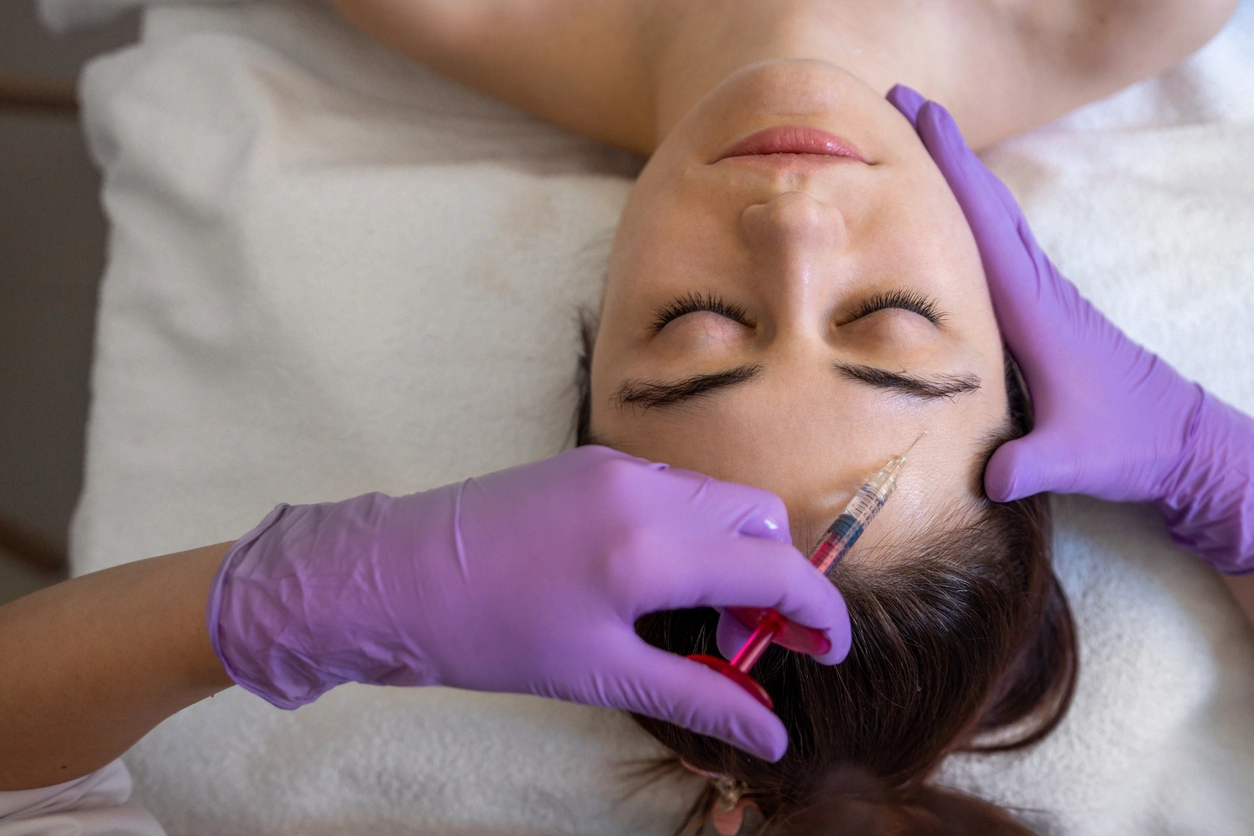
One of the most common questions we hear at Evolve Med Spa is: how long will my results last? Whether you are considering Botox for the first time or evaluating whether to switch to Dysport, Xeomin, or Letybo, understanding how long each neuromodulator lasts — and what affects that timeline — helps you plan your treatments and get the most from every appointment. Explore our full range of wrinkle relaxer treatments at Evolve Med Spa to find the right option for your goals.
The short answer: most neuromodulators last 3 to 4 months for most patients. But that range has meaningful variation — some people see 5 to 6 months, while others (especially first-timers or those with very active facial muscles) may find results fade closer to 2 months. This guide breaks it all down product by product, explains the key factors that affect longevity, and gives you practical strategies to extend your results.
How Long Does Each Neuromodulator Last? Quick Comparison
Before diving into the details, here is a side-by-side snapshot of typical duration and onset across the four main neuromodulators available at Evolve Med Spa:
Product
Typical Duration
Onset (Initial)
Onset (Full Results)
Botox (onabotulinumtoxinA)
3-4 months
3-5 days
7-14 days
Dysport (abobotulinumtoxinA)
3-4 months
24-48 hours
7-14 days
Xeomin (incobotulinumtoxinA)
3-4 months
3-5 days
7-14 days
Letybo (letibotulinumtoxinA)
3-4 months
3-5 days
7-14 days
With consistent treatment
Up to 5-6 months*
No change
No change
*With consistent, regular treatments over time, many patients find results gradually lasting longer as the targeted muscles weaken and require less product to stay relaxed.
How Long Does Botox Last?
Botox (onabotulinumtoxinA) is the most widely used neuromodulator in the world and the benchmark against which all others are compared. For most patients, Botox results last between 3 and 4 months. Here is what that typically looks like in practice:
Weeks 1-2: Results develop. You will notice the treated muscles relaxing progressively, with full smoothing visible by day 14.
Months 1-3: Peak results. The treated area maintains its smooth appearance, and muscle activity remains suppressed.
Month 3-4: Gradual return of movement. Muscle activity slowly returns, and fine lines begin to reappear. This is the signal to schedule your next appointment.
Month 5-6: Full return for most patients. A small percentage of patients — particularly those with consistent long-term treatment histories — may retain results into this range.
First-time Botox patients sometimes notice results wearing off faster, around 2 to 3 months. This is normal: the muscles are still strong, and it often takes several treatment cycles before they begin to relax more lastingly. Staying on schedule is one of the most reliable ways to extend your results over time.
How Long Does Dysport Last?
Dysport (abobotulinumtoxinA) offers a comparable duration to Botox — typically 3 to 4 months — with one notable difference: it tends to work faster. Many patients notice Dysport kicking in within 24 to 48 hours, compared to the 3 to 5 days typical of Botox. This makes Dysport a popular choice for patients who want faster visible results before an event.
Key duration characteristics of Dysport:
Onset advantage: results often appear within 1-2 days, with full results by 7-14 days.
Duration: 3-4 months for most patients — consistent with Botox.
Diffusion: Dysport spreads slightly more than Botox after injection, making it well-suited for treating broader areas like the forehead. This spread is a technique consideration, not a duration factor.
Dosing note: Dysport units are not interchangeable with Botox units. Your injector will calculate the correct dose independently.
Some studies suggest Dysport may produce slightly longer-lasting results in certain patients, particularly for the glabellar lines. However, individual variation is significant, and the difference is not reliably consistent across all patients.
How Long Does Xeomin Last?
Xeomin (incobotulinumtoxinA) has a duration profile essentially identical to Botox — 3 to 4 months for most patients. What sets Xeomin apart is its formulation, not its duration. Xeomin is a "naked" neuromodulator, meaning it contains only the active botulinum toxin without the accessory proteins present in Botox and Dysport.
Why this matters for long-term patients:
With repeated exposure to accessory proteins, a small percentage of patients develop neutralizing antibodies that gradually reduce treatment effectiveness (called secondary non-response). Because Xeomin contains no accessory proteins, it does not trigger this immune response — making it an excellent option for patients who feel their results are shortening over years of Botox treatment.
For most new patients, Xeomin and Botox are clinically interchangeable in terms of both results and duration.
Onset is similar to Botox: initial results in 3-5 days, full results by 7-14 days.
If you have been using Botox consistently for 5 or more years and feel your results are not lasting as long as they used to, switching to Xeomin is worth discussing with your injector.
How Long Does Letybo Last?
Letybo (letibotulinumtoxinA) is the newest FDA-approved neuromodulator, cleared for cosmetic use in the United States in 2023. It is derived from the same botulinum toxin type A family and works through the same mechanism as Botox, Dysport, and Xeomin.
Current clinical data on Letybo duration:
Typical duration: 3-4 months, consistent with other neuromodulators.
Onset: comparable to Botox — initial results in 3-5 days, full effects by 7-14 days.
Long-term data is still accumulating given its recent approval, but early clinical trials showed strong equivalence to existing neuromodulators.
Letybo is an emerging option for patients interested in trying a newer product, particularly those who want to diversify away from Botox. As with all neuromodulators, your Evolve Med Spa injector will help determine which product and dosing approach best suits your anatomy and goals.
What Factors Affect How Long Your Neuromodulator Results Last?
The 3-to-4-month window is a useful guideline, but your individual results can vary meaningfully based on a combination of biological, treatment, and lifestyle factors:
Your Metabolism
Your body breaks down the neuromodulator over time through normal metabolic processes. People with faster metabolisms — often those who are highly active or very athletic — may find results fading faster, sometimes closer to 2 to 3 months. This is one reason some patients who train heavily need to schedule more frequent appointments.
Muscle Mass and Strength
Stronger, larger facial muscles require more product to suppress and may reactivate sooner. This is particularly relevant for the masseter (jaw), forehead, and glabellar muscles. Patients with very strong facial muscles often see shorter initial duration but improve with consistent treatment.
The Treatment Area
Areas with frequent, strong muscle movement wear off faster than more static areas. Crow's feet (active with every smile and squint) and the forehead (active throughout the day) tend to show earlier return of movement than areas with less repetitive expression. The glabellar lines (frown lines between the eyebrows) are often among the longest-lasting treatment areas.
Dosage and Units
Under-dosing is one of the most common reasons results feel shorter than expected. An appropriate dose — calibrated to your muscle mass, treatment area, and desired outcome — is essential for hitting the full 3-to-4-month window. This is why working with an experienced injector matters: dosing is as much an art as a science.
Frequency of Treatment
This is the most underappreciated factor in duration. With consistent, regular treatment, the targeted muscles gradually atrophy (weaken) from lack of use. Over months and years of staying on schedule, many patients find they need less product to achieve the same results and that their results last progressively longer — sometimes extending to 5 or 6 months. Waiting too long between treatments lets the muscles fully recover and resets this progress.
Lifestyle Factors
Several lifestyle habits can accelerate how quickly the body processes neuromodulators:
Sun exposure: UV radiation breaks down collagen and accelerates skin aging, which can make results look shorter even if the muscle suppression is holding.
Smoking: Reduces skin quality and circulation, which can affect how well results appear over time.
Intense exercise: High metabolic activity may speed up how quickly the toxin is processed. Light-to-moderate exercise is fine; extreme endurance training can be a factor.
High stress: Elevated cortisol over time can affect skin quality and treatment duration indirectly.
Age and Skin Elasticity
As we age, skin loses elasticity and collagen density. This means that even when the muscle is fully relaxed, deeper static wrinkles (lines present at rest) may still be visible. Neuromodulators address dynamic wrinkles (caused by movement) — for static lines, complementary treatments are often needed alongside regular neurotoxin appointments.
First Treatment vs. Established Patient
First-time patients almost always see shorter duration than established patients. The muscles are strong, the dose is often conservative as your injector calibrates your response, and the atrophy process has not yet begun. Most patients see consistent improvement in duration after 3 to 4 regular treatment cycles.
How Do You Make Your Neuromodulator Results Last Longer?
You cannot change your metabolism or genetics, but you can meaningfully influence how long your results hold with a few consistent habits:
Stay on schedule. The single most important thing. Book your next appointment before your current results fully wear off — ideally at the 3-month mark. Consistent treatment trains the muscles over time.
Wear SPF daily. Broad-spectrum SPF 30 or higher protects the skin barrier, slows collagen breakdown, and helps your results look better for longer. This is non-negotiable for any patient receiving cosmetic injectables.
Avoid intense exercise on treatment day. Wait 24-48 hours before returning to high-intensity workouts. This reduces the risk of product migration and lets the neurotoxin settle properly.
Do not rub or massage the treated area for 24 hours post-treatment.
Stay hydrated and support skin health. Well-hydrated skin holds treatments better. A consistent skincare routine (retinol, antioxidants, peptides) extends the visible quality of your results even as the muscle suppression fades.
Avoid smoking. Beyond overall health, smoking measurably degrades skin quality and can make results look shorter.
Consider complementary treatments. Combining neuromodulators with good skincare, PRF, or collagen-stimulating treatments can extend the visible improvement well beyond what neurotoxin alone provides.
When Should You Schedule Your Follow-Up Treatment?
The most common mistake patients make is waiting until their results are completely gone before booking their next appointment. By that point, the muscles have fully reactivated, and you are starting from scratch rather than building on progressive atrophy.
The optimal timing strategy:
Book your follow-up at 3 months, not when you notice the results fading. If you typically see full wear-off at 4 months, book at 3.
Do not re-treat too early. Injecting before 10-12 weeks in most cases does not improve results and can increase the risk of antibody development over time.
If you are unsure when your results are wearing off, keep a simple log: note the date of treatment, when you first see movement returning, and when full activity is back. This gives your injector precise data for future dosing decisions.
Most patients settle into a consistent 3-to-4-month rhythm within the first year of treatment.
Are There Treatments That Last Longer Than Neuromodulators?
Neuromodulators are the gold standard for dynamic wrinkles, but their temporary nature is by design — and for patients looking for longer-lasting or more comprehensive rejuvenation, several complementary treatments are worth knowing about:
Dermal fillers — While neuromodulators relax muscles to smooth dynamic wrinkles, dermal fillers restore lost volume and address static wrinkles and facial contour changes. Depending on the product and treatment area, fillers last 6 to 18 months — significantly longer than neuromodulators. Many patients use both in a complementary treatment plan.
Morpheus8 RF — Radiofrequency microneedling that stimulates deep collagen remodeling. Results build progressively over 3 to 6 months and typically last 1 to 2 years. Morpheus8 addresses skin laxity, texture, and quality in ways that neuromodulators cannot.
PRF treatments — Platelet-rich fibrin uses your own growth factors to stimulate collagen and tissue regeneration. PRF results are gradual and cumulative, complementing neuromodulators by improving overall skin quality and resilience.
Chemical peels — Target surface-level texture, pigmentation, and fine lines. Regular peels maintain skin quality between neuromodulator appointments, making results look better and last longer.
The most effective approach for most patients is a layered one: neuromodulators for dynamic wrinkles on a consistent schedule, combined with a collagen-stimulating treatment once or twice a year for overall skin quality. Your Evolve Med Spa injector can design a plan that matches your goals and budget.
If you are deciding between Botox, Dysport, and Xeomin and want a deeper comparison of each product's side effect profile and unique characteristics, see our complete guide to Dysport and Xeomin side effects at Evolve Med Spa.
Frequently Asked Questions
Q: How long does Botox last for first-time patients?
A: First-time patients typically see results lasting 2 to 3 months, which is shorter than the 3-to-4-month average. This is normal — the muscles are at full strength and the body is encountering the product for the first time. With consistent treatment over several cycles, most patients see duration gradually extend as the target muscles weaken.
Q: Does Dysport last longer than Botox?
A: Dysport and Botox have comparable durations — both typically last 3 to 4 months. Some studies suggest Dysport may last slightly longer for glabellar lines in certain patients, but the difference is not consistent or reliably predictable. Dysport's main advantage over Botox is its faster onset, not longer duration.
Q: Can I make Botox last longer than 4 months?
A: For many patients, consistent treatment is the most reliable path to longer duration. Over time, the target muscles weaken from lack of use and require less product to stay relaxed, with results extending to 5 or 6 months in some long-term patients. Wearing SPF daily, staying hydrated, avoiding smoking, and maintaining a consistent schedule all contribute to better long-term results.
Q: Why are my Botox results wearing off faster than they used to?
A: The most common reasons for shorter duration in established patients include: increased physical activity or metabolism changes, under-dosing at a recent appointment, gaps in treatment schedule that allowed muscles to fully recover, or — rarely — the early stages of antibody development. If you have been using Botox for several years and notice consistently shorter results, ask your injector about switching to Xeomin, which has a lower antibody risk due to its protein-free formulation.
Q: How long does Xeomin last compared to Botox?
A: Xeomin and Botox have essentially identical duration profiles — 3 to 4 months for most patients. The key difference between them is formulation, not duration: Xeomin contains no accessory proteins, which reduces the risk of antibody development in long-term patients.
Q: How long does Letybo last?
A: Letybo (letibotulinumtoxinA), the newest FDA-approved neuromodulator, has a comparable duration to Botox, Dysport, and Xeomin — approximately 3 to 4 months. Clinical trial data showed strong equivalence to established neuromodulators. Long-term real-world data is still accumulating given its recent approval.
Q: How long does it take for Botox to wear off completely?
A: For most patients, Botox wears off gradually between months 3 and 4, with muscle activity fully returning by month 4 to 5. The process is not sudden — you will notice a gradual return of movement before lines reappear. This gradual fade is what allows you to time your follow-up appointment without urgency.
Q: Can I exercise after getting Botox, Dysport, or Xeomin?
A: Light activity is fine on treatment day, but you should avoid intense exercise, hot yoga, saunas, and high-intensity cardio for 24 to 48 hours after treatment. Vigorous physical activity increases blood flow and metabolism, which can potentially cause the product to spread or metabolize faster. This precaution is standard for all three products.
How Long Will Your Results Last? Find Out at Evolve Med Spa.
The best way to understand how long your neuromodulator results will last is to consult with an experienced injector who can assess your muscle strength, treatment history, and goals. At Evolve Med Spa, our injectors specialize in Botox, Dysport, Xeomin, and Letybo — and take the time to build a personalized treatment plan designed around your anatomy and schedule, not a one-size-fits-all approach. Book your consultation at Evolve Med Spa today.
Medically Reviewed By
Austin Marie Jacobus RN, MSN, NP-C VP of Clinical Affairs
Let’s keep in touch! Sign up to our newsletter and receive 10% off your first treatment with us!
Explore
This website may convey general information related to medical conditions, their research, testing, and treatment, and other health care topics. Any such information is provided for informational purposes only. You should always consult with a doctor or other health care professional for medical advice or information about diagnosis and treatment.