What is Acne?
Acne is a common skin condition that affects people of all ages, but it's most prevalent during adolescence. It occurs when hair follicle becomes clogged with a combination of oil (sebum), dead skin cells, and bacteria.
Types of Acne:
- Comedones: These are the most basic form of acne and include:
- Whiteheads: Closed comedones that appear as small, white bumps beneath the skin.
- Blackheads: Open comedones that appear as small, dark bumps on the skin.
- Inflammatory Lesions:
- Papules: Small, red, and inflamed bumps.
- Pustules: Pus-filled pimples.
- Nodules: Large, deep, and painful lumps under the skin.
- Cysts: Large, painful, pus-filled lumps that can cause scarring.
Causes of Acne
- Hormonal Changes: During puberty, hormone levels fluctuate significantly, increasing oil production and contributing to acne development.
- Excess Oil Production: Overactive sebaceous glands produce excess oil (sebum), which can clog pores.
- Bacteria: The bacterium Propionibacterium acnes thrive in oily environments and can cause inflammation within clogged pores.
- Dead Skin Cells: An accumulation of dead skin cells can clog hair follicles, trapping oil and bacteria.
- Genetics: A family history of acne can increase your risk.
- Certain Medications: Some medications, such as corticosteroids and androgens, can worsen acne.
Treating Acne
Over-the-counter Products:
- Benzoyl Peroxide: Kills bacteria that contribute to acne.
- Salicylic Acid: Helps unclog pores by breaking down dead skin cells.
- Over-the-counter retinoids: Can help unclog pores and reduce oil production.
- Prescription Medications:
- Topical retinoids: Stronger versions of retinoids available by prescription.
- Topical and oral antibiotics: Help to kill bacteria that contribute to acne.
- Hormonal medications: May be prescribed for women with hormonal acne.
- Oral contraceptives: Can be helpful for women with hormonal acne.
Professional Treatments:
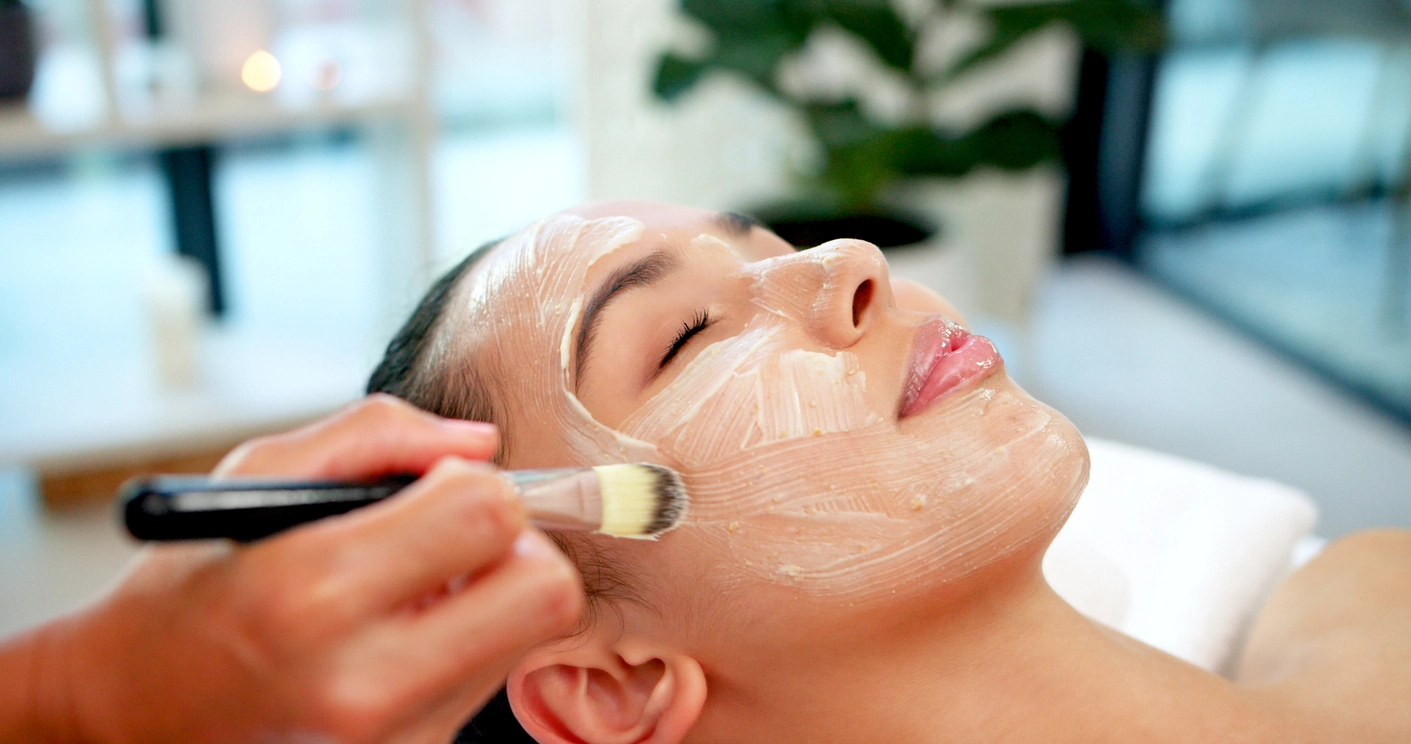
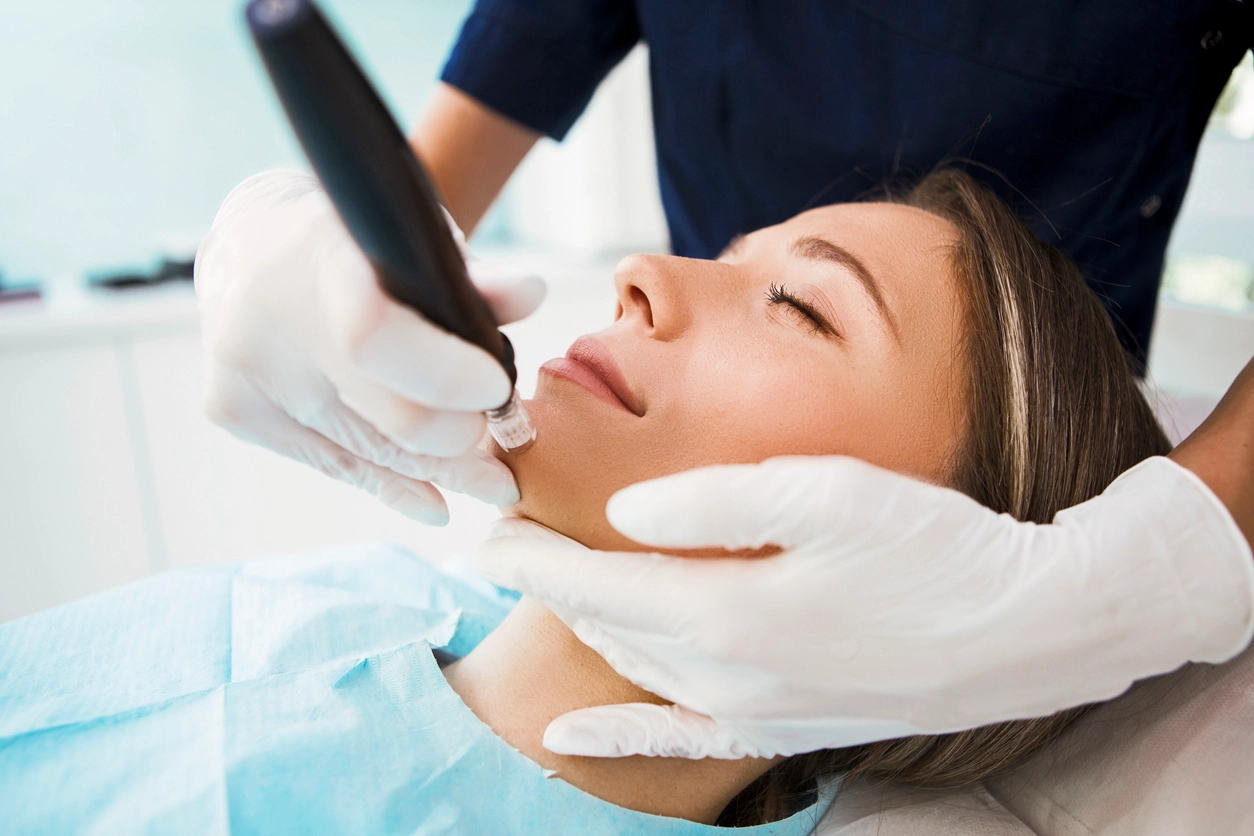
- DiamondGlow: DiamondGlow facials effectively clear acne by exfoliating dead skin cells, unclogging pores, and deeply cleansing the skin. They also infuse customized serums with acne-fighting ingredients to restore hydration and reduce breakouts, leaving you with improved skin texture.
- IPL (Intense Pulsed Light): IPL targets melanin in acne lesions, breaking down the pigment and reducing the appearance of acne over time. Note: IPL is contraindicated for individuals with Fitzpatrick Skin Types 5 and 6.
- LED Light Therapy: LED light therapy uses specific wavelengths of light to clear acne. Blue light targets and kills acne-causing bacteria, while red light reduces inflammation and promotes healing. Note: If you have a history of cold sores or shingles in the treatment area, pre-treatment with antiviral medication is required. Also contraindicated for individuals who have taken Accutane within the past 6 months.
- Chemical Peels: SkinMedica chemical peels exfoliate the skin with acids, removing dead skin cells, unclogging pores, and reducing oil buildup. This process helps diminish acne, improve skin texture, and promote cell turnover.
- Clear + Brilliant: Clear + Brilliant clears acne by using broad-spectrum light to target and reduce bacteria, decrease inflammation, and shrink oil glands. This helps to minimize breakouts and improve overall skin appearance.
Lifestyle Factors:
- Gentle Cleansing: Wash your face twice daily with a gentle, oil-free cleanser.
- Moisturize: Use a non-comedogenic moisturizer to keep your skin hydrated.
- Avoid Picking: Picking at your skin can worsen acne and lead to scarring.
- Protect Your Skin from the Sun: Wear sunscreen daily to protect your skin from the sun's harmful rays.
- Maintain a Healthy Diet: While diet may not directly cause acne, a healthy diet rich in fruits, vegetables, and whole grains can support overall skin health.
Disclaimer: This information is for general knowledge and informational purposes only and does not constitute medical advice. Consult with a dermatologist or a qualified healthcare professional like the ones at Evolve Med Spa for diagnosis and treatment options.
By following these guidelines and consulting with a dermatologist, you can effectively manage acne and achieve clearer, healthier skin.