What is TMJ?
TMJ stands for Temporomandibular Joint Disorder. It refers to a group of conditions that affect the temporomandibular joints (TMJs), located on either side of your face in front of your ears. These joints connect your lower jaw (mandible) to your skull, enabling you to move your jaw for speaking, chewing, and yawning.
When these joints and the surrounding muscles and nerves don't function properly, it can lead to pain, discomfort, and limitations in jaw movement.
Causes of TMJ
The exact cause of TMJ disorders is often difficult to pinpoint, but some common contributing factors include:
- Injury: Trauma to the jaw, such as a blow to the face or a whiplash injury, can damage the joint.
- Arthritis: Conditions like osteoarthritis or rheumatoid arthritis can affect the TMJ, causing pain and stiffness.
- Stress and Anxiety: Stress and anxiety can lead to teeth grinding (bruxism), which can put excessive strain on the jaw muscles and joints.
- Misaligned Bite: An improper bite (malocclusion) can put undue stress on the TMJ.
- Jaw Injury: Any injury to the jaw, such as a dislocation, can disrupt the normal function of the TMJ.
- Certain Medical Conditions: Some medical conditions, such as fibromyalgia, can be associated with TMJ disorders.
Symptoms of TMJ
Symptoms of TMJ disorders can vary greatly, but may include:
- Jaw pain: This is the most common symptom, often described as aching, throbbing, or sharp.
- Difficulty chewing or opening your mouth wide
- Jaw clicking, popping, or grating sounds
- Headaches, including migraines
- Earaches
- Neck pain
- Dizziness
- Ringing in the ears (tinnitus)
- Facial pain or tenderness
Treating TMJ
Treatment for TMJ disorders will vary depending on the severity and underlying cause. Some common approaches include:
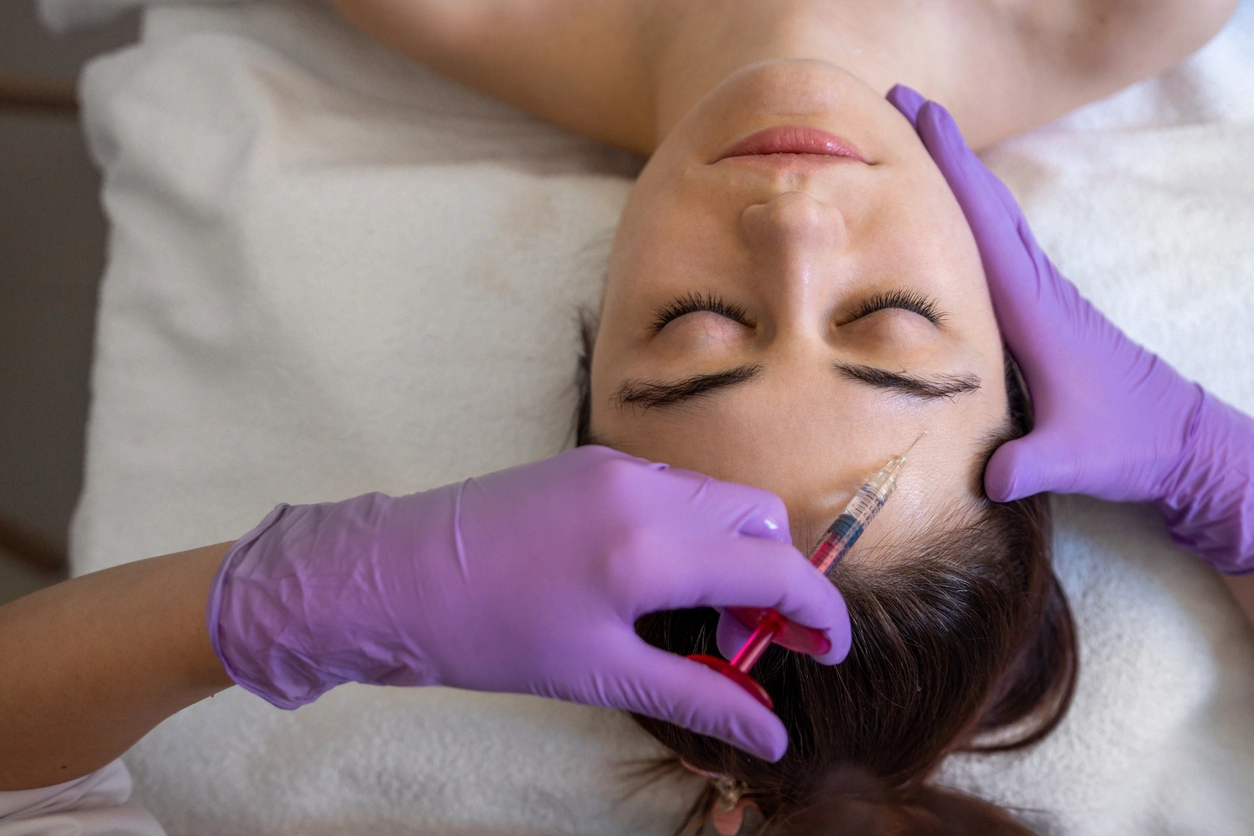
- Botox:
- Toxins like Botox can help a hyperactive jaw by relaxing the masseter muscles. This reduces muscle contractions, alleviates jaw tension, and diminishes symptoms like teeth grinding and jaw pain. The relaxation of these muscles can also help contour the jawline, making it appear slimmer and less squared.
- Lifestyle Modifications:
- Stress management techniques (e.g., relaxation, meditation)
- Avoiding excessive jaw movements (e.g., gum chewing, nail-biting)
- Soft food diet
- Pain Management:
- Over-the-counter pain relievers (e.g., ibuprofen)
- Muscle relaxants
- Oral Appliances:
- Mouthguards to prevent teeth grinding
- Bite splints to correct jaw alignment
- Physical Therapy:
- Exercises to improve jaw mobility and reduce muscle tension
- Injections:
- Corticosteroid injections to reduce inflammation
- Surgery:
- In severe cases, surgery may be considered to correct jaw misalignment or repair joint damage.
Disclaimer: This information is for general knowledge and informational purposes only and does not constitute medical advice. If you are experiencing any symptoms of TMJ, it is important to consult with a dentist or other qualified healthcare professional for proper diagnosis and treatment.
By understanding the causes and symptoms of TMJ disorders, you can take steps to manage your symptoms and seek appropriate treatment.