If you've been exploring options to address uneven skin tone, fine lines, enlarged pores, or a dull complexion, chances are you've come across the term "laser facial." But with so many laser treatments available today, it can be difficult to know which one is right for your skin concerns, and your lifestyle.
This guide breaks down the most common types of laser facials, explains how each one works, and helps you understand what to look for when choosing a treatment, including why the Candela GentleMax Pro at Evolve Med Spa stands out as a versatile, clinically proven option.
What Is a Laser Facial?
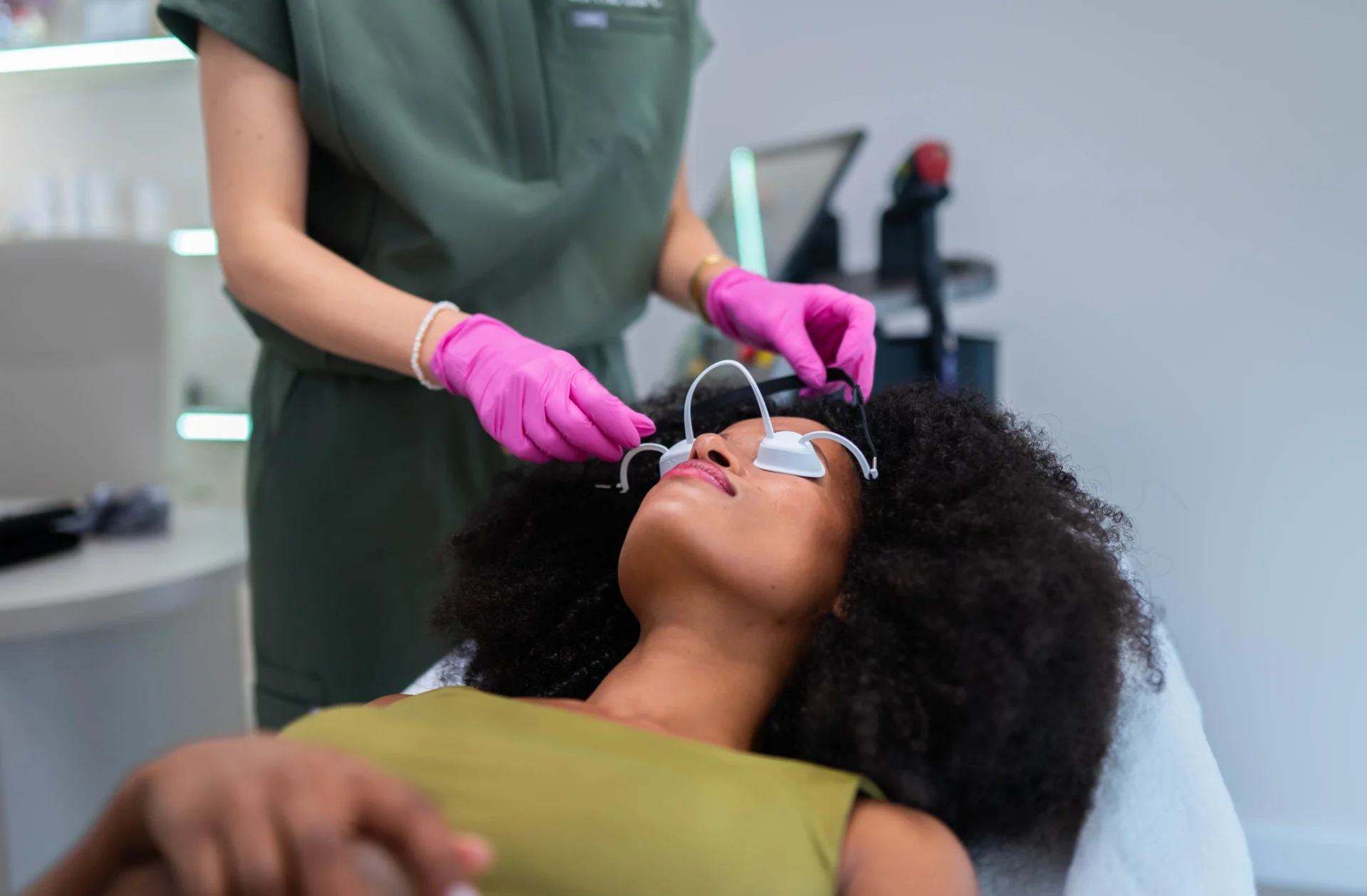
A laser facial is a non-surgical skin treatment that uses concentrated light energy to target specific concerns within the skin. Depending on the laser type and how it's applied, these treatments can stimulate collagen production, reduce pigmentation, minimize pores, smooth texture, and improve overall skin tone, often with little to no downtime.
Laser facials are not one-size-fits-all. The type of laser, the wavelength it uses, and how it interacts with your specific skin tissue all determine what it can treat and who makes an ideal candidate. Understanding the differences is key to choosing the most effective option for your goals.
What Are The Main Types of Laser Facials?
1. Ablative Lasers
Ablative lasers work by removing the outermost layers of the skin entirely, prompting the body to generate fresh, new skin in their place. They are among the most aggressive laser options available and can deliver dramatic results for deep wrinkles, significant sun damage, and scarring.
Common ablative lasers include CO2 and Erbium lasers.
- Best for: Severe photoaging, deep wrinkles, pronounced acne scarring
- Downtime: Significant, typically 1 to 2 weeks of recovery
- Considerations: Not suitable for all skin tones; higher risk of post-inflammatory hyperpigmentation in darker complexions
2. Fractional Lasers
Fractional lasers deliver energy in a pixelated pattern, treating thousands of microscopic columns of tissue while leaving the surrounding skin intact. This approach promotes faster healing compared to fully ablative treatments while still driving meaningful collagen remodeling. Fractional technology can be applied in both ablative and non-ablative forms.
- Best for: Fine lines, texture irregularities, mild to moderate scarring, general rejuvenation
- Downtime: Moderate, typically 3 to 7 days
- Considerations: Multiple sessions are often required for optimal, long-lasting results
3. Intense Pulsed Light (IPL) - A Common Point of Confusion
IPL is frequently grouped with laser facials, but it is technically not a laser. Rather than emitting a single focused wavelength, IPL uses broad-spectrum light across multiple wavelengths simultaneously. It can be effective for surface-level pigmentation and redness but lacks the precision and depth that true laser technology delivers.
- Best for: Superficial redness, mild pigmentation, rosacea
- Downtime: Minimal
- Considerations: Less targeted than laser treatments; may require more sessions to achieve comparable results
4. Non-Ablative Lasers
Non-ablative lasers work beneath the skin's surface without removing the outer layer. They deliver controlled thermal energy into the deeper dermis, stimulating the body's natural collagen and elastin production while keeping the epidermis intact. This makes them one of the most accessible and versatile laser options, delivering meaningful results with minimal recovery time.
- Best for: Skin rejuvenation, fine lines, pore reduction, mild laxity, uneven tone, active acne
- Downtime: Minimal to none
- Considerations: Results build gradually and are best achieved through a series of treatments
Non-ablative lasers are also among the safest options for a wider range of skin tones, as they carry a lower risk of post-treatment hyperpigmentation compared to ablative approaches.
The Red Carpet Laser Facial: What Sets It Apart
At Evolve Med Spa, we use the Candela GentleMax Pro, a dual-wavelength, non-ablative laser platform that is widely regarded as one of the most advanced and versatile devices in medical aesthetics.
What makes the Candela GentleMax Pro particularly notable is its ability to treat a broad spectrum of skin concerns and skin types using two distinct wavelengths in a single device. This flexibility allows our providers to precisely customize each treatment based on your unique skin tone, concerns, and goals, rather than applying a one-size-fits-all protocol.
What Concerns Can A Laser Facial Address?
- Fine lines and early signs of aging
- Uneven skin tone and texture
- Enlarged pores
- Mild skin laxity
- Active acne and acne-prone skin
- Vascular concerns such as visible redness or broken capillaries
- Overall skin radiance and rejuvenation
What to Expect During Your Treatment?
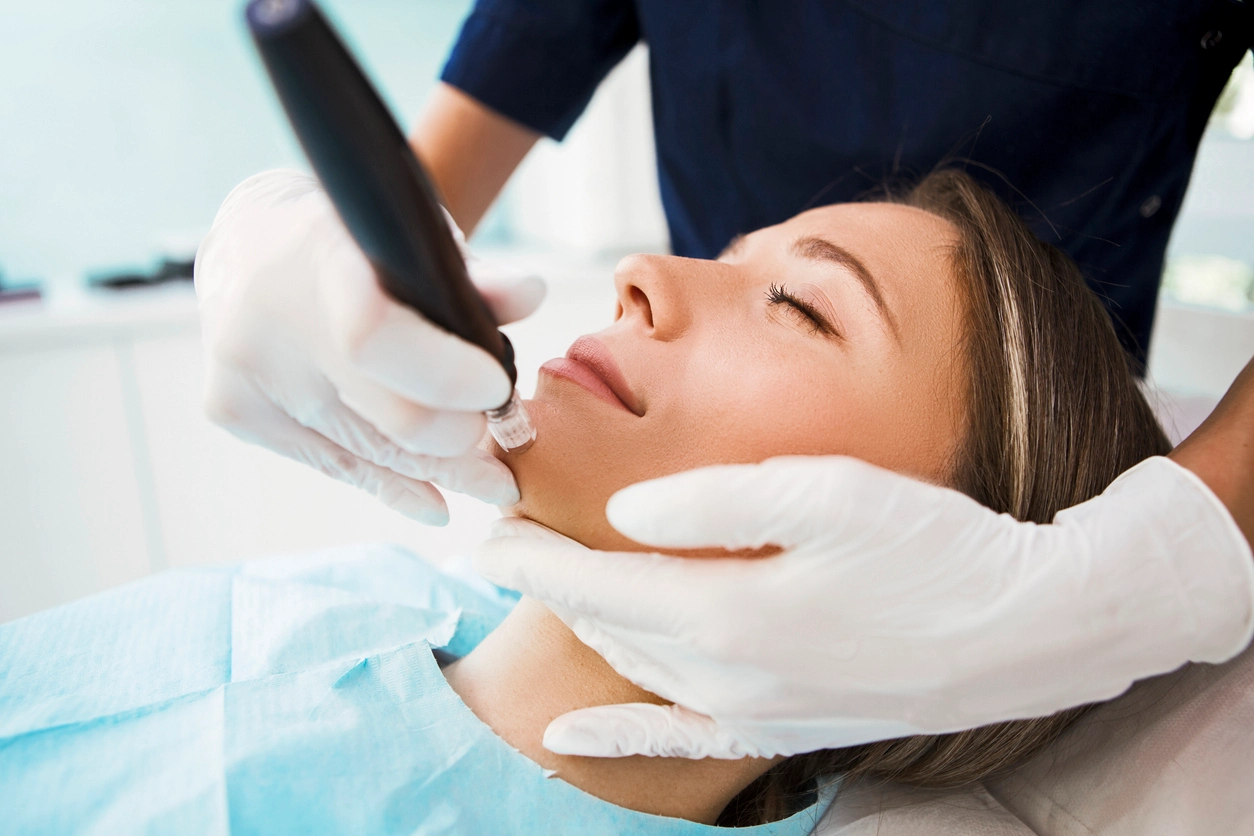
A Candela laser facial at Evolve Med Spa is a comfortable, in-office procedure with no required downtime. Most patients describe a gentle warming sensation during treatment. Sessions typically last between 20 and 30 minutes depending on the area being treated, making it easy to fit into a busy schedule.
Results are cumulative. While many patients notice an immediate improvement in skin brightness after their first session, the deeper benefits, particularly collagen remodeling and long-term texture improvement, develop over a series of treatments and continue to progress in the weeks that follow.
How to Choose the Right Laser Facial for Your Skin?
With so many options available, the right laser facial comes down to a few key factors:
Your skin tone and type. Some laser treatments carry a higher risk of hyperpigmentation in medium to dark skin tones. The Candela GentleMax Pro is designed to treat a wide range of skin types safely and effectively, making it one of the more inclusive options available.
Your primary skin concern. Whether you're targeting pigmentation, laxity, texture, acne, or general rejuvenation, the laser type and settings should be matched to your specific goals, not chosen arbitrarily.
Your downtime tolerance. Ablative treatments can deliver more aggressive results but require meaningful recovery time. Non-ablative options like the Candela laser facial allow most patients to return to their normal routine immediately after treatment.
Your overall health and treatment history. Prior laser treatments, current skincare regimens, medications such as retinoids or photosensitizing drugs, and pregnancy status all influence candidacy and treatment planning. A qualified provider will review all of these factors before recommending a course of treatment.
The most important step is a thorough consultation with an experienced provider who can assess your skin in person and build a personalized plan around your goals.
Take the Next Step Toward Healthier Skin
Understanding your options is the first step, but finding the right laser facial for your skin requires an expert eye and a personalized approach. At Evolve Med Spa, our clinically trained providers take the time to assess your skin, understand your goals, and build a treatment plan designed specifically for you.
Book your consultation today and discover whether a Red Carpet Laser Facial is the right next step in your skin health journey.