Mix & Match Filler — Choose your brand, customize your look. As low as $475/syr. Book Now
Refer friends right in the Evolve app — you both earn $50 in credit. Refer now
Radiesse BBL: Lift, shape, and projection without surgery. Starting at $2,750. Book now!
The wait is finally over, NYC. Come visit our new temporary home at Sola Salon (50 W 17th St). We can’t wait to see you!
Ready to fine-tune your look and feel your absolute best? Our interactive consultation is designed to make achieving your aesthetic goals effortless. Take our new treatment quiz
What Is Prejuvenation? The Proactive Approach to Aging Well That Starts Before You Think You Need It
Table of Content
✕
Table of Content
The best aesthetic results are not achieved by correcting aging after it has already happened. They are built over time — through consistent, proactive choices that slow the process before it accelerates. That is the premise of prejuvenation: a strategic, preventative approach to aesthetic care that begins in your 20s and early 30s, long before most people consider setting foot in a med spa.
Prejuvenation is not about looking different. It is not about changing your face or chasing trends. It is about making small, well-timed investments in your skin now so that at 40 and 50, you look like the best version of yourself — not like someone who has had work done. At Evolve Med Spa, this philosophy underpins how we approach every patient who walks in before the deep lines have formed and asks: "What should I be doing now?"
This guide answers that question comprehensively.
What Does Prejuvenation Mean?
Prejuvenation is a portmanteau of "pre" and "rejuvenation" — treatment that happens before the need for rejuvenation arises. Where traditional aesthetic medicine has historically been reactive (a patient develops a concern, a provider corrects it), prejuvenation flips the model to be proactive. The goal is prevention and preservation rather than correction.
The concept is grounded in a well-established clinical principle: it is significantly easier — and requires less intervention — to slow the development of a problem than to reverse it once it has occurred. This applies directly to aging skin:
A fine dynamic line treated early with low-dose neuromodulator will not become a deep static line requiring volume correction years later
Collagen loss that begins in the mid-20s can be slowed meaningfully with early microneedling and regenerative treatments before significant structural changes occur
Sun damage accumulated year over year is far harder to address than sun damage prevented with consistent daily SPF
Prejuvenation does not mean aggressive treatment at a young age. It means the right treatments, at the right time, in the right doses — calibrated to where the skin actually is, not to where it might end up without intervention.
Why Is Prejuvenation More Effective Than Waiting to Correct Aging Later?
Skin aging is a cumulative process driven by two overlapping forces: intrinsic aging (the biological slowdown in collagen production, cellular turnover, and tissue integrity that begins in the mid-20s) and extrinsic aging (the accelerated damage caused by UV exposure, pollution, lifestyle factors, and repeated facial muscle movement).
By the time most patients notice a visible concern — a persistent line, a hollowing temple, a loss of skin elasticity — years of subclinical change have already occurred. Treating the visible symptom at that stage is possible but requires more product, more sessions, and more intervention than treating the underlying process earlier would have.
The financial argument is equally compelling. A consistent prejuvenation protocol — modest doses of neuromodulator, periodic microneedling, and daily SPF — costs a fraction of what comprehensive facial rejuvenation costs in a patient's 50s. Prevention is not just clinically superior; it is economically smarter.
Who Is a Good Candidate for Prejuvenation?
Prejuvenation is most relevant for patients in their mid-20s to mid-30s who fall into one or more of the following profiles:
You notice early dynamic lines — creases that appear when you express but have not yet become permanently visible at rest
You have a family history of early or significant facial aging and want to get ahead of it
You have accumulated sun exposure and are starting to notice early texture, tone, or pigmentation changes
You are in a high-visibility professional environment and want to maintain a consistently polished, rested appearance
You are already invested in skincare and want to understand which clinical treatments extend the results of your routine
You simply want to age on your own terms — looking like yourself for as long as possible
There is no single "right age" to begin a prejuvenation protocol. The right time is when your skin and your goals align with what a particular treatment can offer. A good provider will tell you honestly when you are not yet ready for something — and that honesty is part of what makes a prejuvenation approach different from an aggressive, volume-at-any-age treatment philosophy.
What Treatments Make Up a Prejuvenation Protocol at Evolve Med Spa?
A prejuvenation protocol is not a single treatment — it is a layered, sequenced plan that addresses skin quality, muscle movement, collagen production, and cellular health simultaneously. Here is how each service at Evolve fits into that framework:
Treatment
Prejuvenation Role
Starting Point
Baby tox (low-dose neuromodulator)
Prevents dynamic lines from becoming permanently etched static lines
Mid-20s for early movers; late 20s for most patients
Medical-grade SPF
Non-negotiable foundation — blocks the #1 driver of extrinsic aging
Immediately and every single day
SkinPen Microneedling
Stimulates collagen production before significant loss has occurred — "collagen banking"
Late 20s to early 30s; 2-3x per year
Clear + Brilliant Laser
Addresses early tone and texture changes; maintains skin clarity
Late 20s onward; 3-4x per year
PDRN
Supports cellular repair and anti-inflammatory activity; builds skin quality at a molecular level
Any age; pairs well with microneedling
PRF
Autologous growth factor delivery for collagen support and skin renewal
Late 20s to early 30s; 2-3x per year
Dermaplaning
Removes dead skin buildup and vellus hair; maximizes skincare absorption
Monthly as standalone or add-on
DiamondGlow / HydraFacial
Ongoing hydration, extraction, and serum infusion to maintain baseline skin health
Monthly; excellent entry point for first-timers
What Role Do Neuromodulators Play in Prejuvenation?
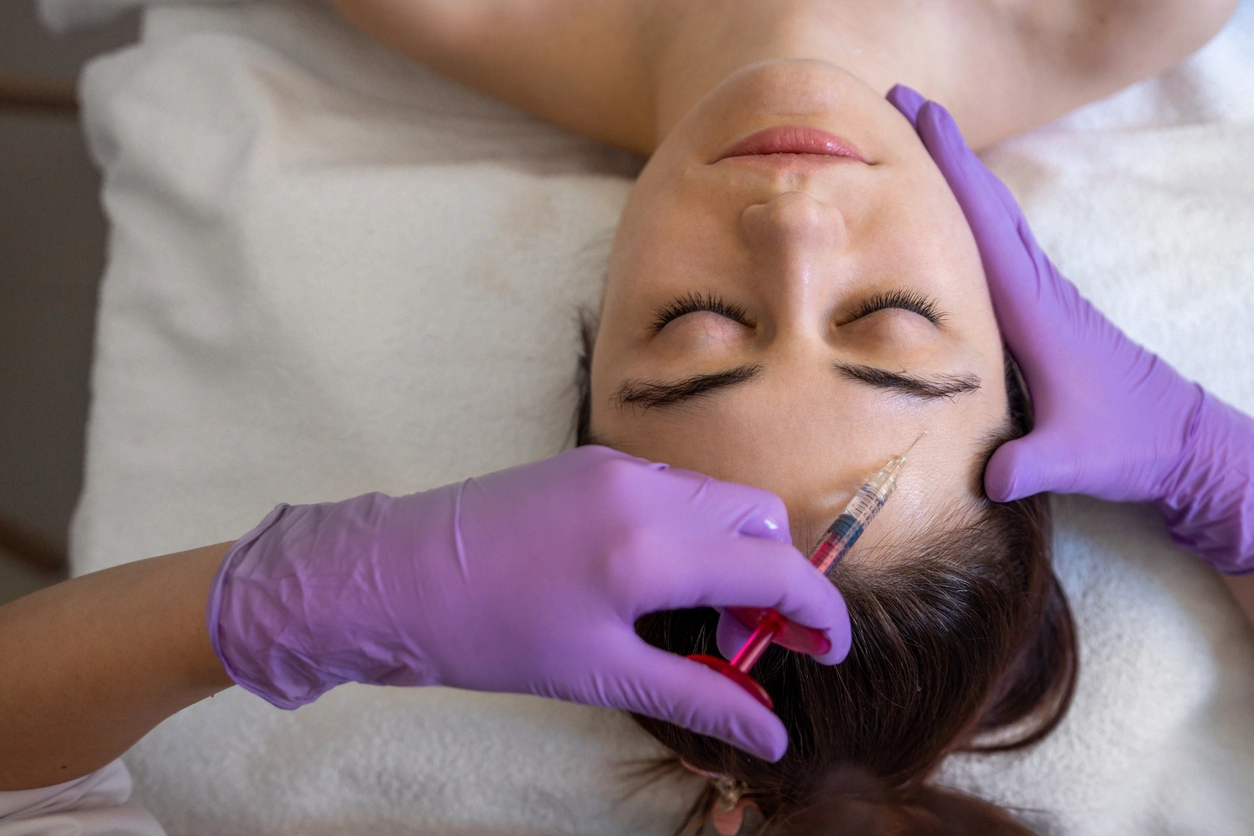
Low-dose neuromodulators — Botox, Dysport, or Xeomin — are the cornerstone of facial prejuvenation. The principle is straightforward: dynamic lines are caused by repetitive muscle movement. When that movement is consistently softened over years, the lines that movement would eventually etch permanently into the skin simply do not form at the same rate.
In a prejuvenation context, neuromodulators are used differently from a standard correction treatment:
Lower doses — preserving natural movement and expression rather than fully relaxing muscles
Earlier start — addressing early dynamic lines before they deepen
Broader prevention mindset — treating areas as a long-term investment, not a one-time fix
The "frozen face" outcome that many people fear is a product of too much product, not the product itself. At the doses appropriate for prejuvenation, neuromodulators produce results that are genuinely undetectable — you look rested, not treated. For a complete guide to dosing and timing, our decade-by-decade Botox guide walks through exactly what the evidence supports at each life stage.
What Is "Collagen Banking" and Why Does It Matter for Prejuvenation?
"Collagen banking" refers to the practice of stimulating collagen production earlier in life — before the natural decline accelerates — to build a structural reserve that slows the visible effects of that decline over time. The concept is analogous to financial savings: the earlier you invest, the more compounding benefit you accumulate.
Collagen production peaks in the early 20s and declines at approximately 1% per year thereafter. By the time visible sagging, hollowing, or deep lines are apparent, a significant structural deficit has already developed. Prejuvenation treatments that stimulate collagen production early — before that deficit becomes visible — change the trajectory of how the face ages.
At Evolve Med Spa, the primary collagen-banking treatments in a prejuvenation protocol are:
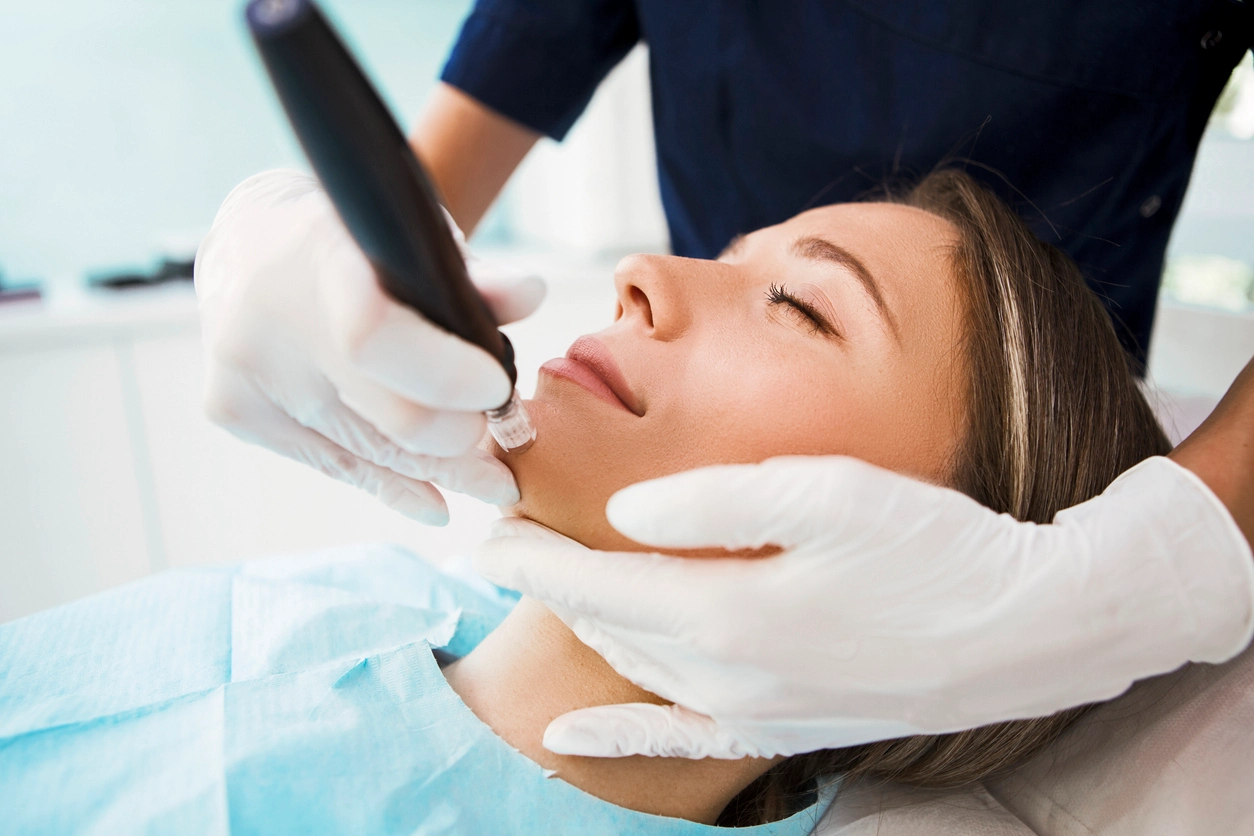
SkinPen Microneedling: Creates controlled micro-injuries in the dermis that stimulate a collagen and elastin response. A series of 2 to 3 sessions per year in the late 20s and early 30s builds measurably denser dermal architecture over time.
PDRN: Activates A2A adenosine receptors to directly stimulate fibroblast activity — the cellular pathway responsible for collagen synthesis. Particularly effective at a molecular level before structural changes become visible on the surface.
PRF: Delivers autologous growth factors that support collagen remodeling using the patient's own biology — a natural, zero-synthetic-ingredient approach to collagen banking.
Clear + Brilliant: A gentle fractional laser that resurfaces the uppermost skin layers and triggers collagen remodeling without the recovery time of more aggressive laser treatments. Ideal for annual maintenance in the late 20s and 30s.
What Is the Role of SPF in a Prejuvenation Protocol?
Daily broad-spectrum SPF is the single most impactful and most underutilized prejuvenation tool available. UV radiation is responsible for an estimated 80% of visible facial aging — accelerating collagen breakdown, causing pigmentation irregularities, degrading skin texture, and creating the chronic inflammation that compounds all other aging processes. According to the American Academy of Dermatology, daily use of SPF 30 or higher is the most evidence-backed anti-aging intervention available without a prescription.
No in-clinic treatment can fully compensate for daily unprotected UV exposure. The most effective prejuvenation protocols begin with daily SPF as a non-negotiable foundation — not an optional step. Medical-grade SPF formulations available through Evolve Med Spa are formulated without the irritants common in mass-market sunscreens and sit comfortably under makeup, removing the most common barrier to consistent use.
How Is Prejuvenation Different from Anti-Aging Treatment?
The distinction is both philosophical and clinical:
Anti-aging treatment is reactive — it addresses changes that have already occurred. Volume loss is restored with filler. Deep lines are softened with higher doses of neuromodulator. Skin laxity is treated with RF or laser resurfacing. The goal is correction.
Prejuvenation is proactive — it addresses the processes that drive aging before their effects become visible or structurally significant. Lower doses, earlier timing, consistent maintenance. The goal is preservation.
In practice, most patients eventually benefit from both — a prejuvenation foundation built in the 20s and 30s, and thoughtful corrective treatments introduced as needed in the 40s and beyond. But patients who have maintained a prejuvenation protocol consistently require meaningfully less correction later, and when correction is needed, it is more modest and produces more natural results because the underlying structural foundation is stronger.
What Does a Prejuvenation Consultation at Evolve Med Spa Look Like?
A prejuvenation consultation begins with exactly the same comprehensive assessment as any other appointment — a provider review of your skin, your concerns, your medical history, and your goals. What is different is the lens through which recommendations are made.
Rather than asking "what needs to be fixed," a prejuvenation consultation asks: "what is the most effective investment for your skin right now, and what are we protecting against over the next 10 to 20 years?" The answer is always personalized. A 26-year-old with a strong family history of early volume loss has different priorities than a 32-year-old with early forehead lines and a history of significant sun exposure.
Many patients who come in for a prejuvenation consultation leave with a treatment plan that starts with nothing more than a DiamondGlow or HydraFacial and a medical-grade SPF recommendation. That is the right answer for where they are. Prejuvenation is not about doing more earlier — it is about doing the right things at the right time.
Frequently Asked Questions About Prejuvenation
What age should you start prejuvenation?
There is no single correct age — but for most patients, the mid-to-late 20s is when a prejuvenation protocol becomes clinically meaningful. This is when collagen production begins its gradual decline, when early dynamic lines first appear, and when daily sun protection habits have the greatest long-term impact. Some patients start earlier with skincare foundations; others begin neuromodulators in their early 30s when first dynamic lines appear. The right time is when your skin's needs and a treatment's benefits align — not a number on a calendar.
Is preventative Botox the same as prejuvenation?
Preventative Botox (or preventative tox) is one component of prejuvenation, but not the whole picture. Prejuvenation is a broader philosophy that encompasses neuromodulators, collagen-stimulating treatments like microneedling and PDRN, regenerative options like PRF, maintenance facials, and the daily SPF habit that underpins all of it. Preventative tox addresses muscle movement; prejuvenation addresses the entire ecosystem of factors that drive how skin ages.
Is prejuvenation only for your face?
No. The neck, chest (décolleté), and hands are among the most age-revealing areas on the body and are often the first to reveal a mismatch with a well-maintained face. A comprehensive prejuvenation approach includes these areas — SPF applied to the neck and chest daily, periodic PDRN or microneedling treatments for the neck, and attention to the décolleté before significant laxity or sun damage has accumulated.
Will I look unnatural if I start Botox in my 20s?
Not when it is done correctly. The doses appropriate for a patient in their 20s are conservative — designed to soften early dynamic lines while preserving full natural expression. The "overdone" outcomes that give injectables a bad reputation are almost always the result of too much product, not the product itself. At Evolve Med Spa, we take an anatomy-first, less-is-more approach to every patient, and that principle is especially central to how we approach younger patients.
What is the most important prejuvenation treatment to start with?
Daily broad-spectrum SPF. Without exception. It is free of side effects, requires no appointment, and addresses the single largest driver of premature skin aging. If you do only one thing, do that. After SPF, the next most impactful starting point depends on your skin — a provider consultation will identify whether neuromodulators, microneedling, PDRN, or a maintenance facial protocol makes the most sense for where your skin is right now.
How much does a prejuvenation protocol cost?
It varies significantly depending on which treatments are included and how frequently they are performed. A foundational prejuvenation protocol — baby tox every 3 to 4 months, two to three microneedling sessions per year, and monthly dermaplaning or facial maintenance — is substantially less expensive than the corrective treatments it helps avoid down the line. During your consultation, your Evolve provider will build a plan that reflects both your goals and your budget, and will be honest about what is worth prioritizing versus what can wait.
Can I start prejuvenation if I have never had any aesthetic treatments before?
Absolutely — in fact, a prejuvenation consultation is one of the best first appointments to have at a med spa precisely because it establishes a thoughtful, long-term foundation rather than jumping straight to a specific treatment. Many first-time patients leave with nothing more than a skincare protocol and a plan for a DiamondGlow or HydraFacial, returning for more when their skin is ready and their comfort with the process has grown.
Does prejuvenation work if you have already started seeing signs of aging?
Yes — the principles of prejuvenation apply across a broad range of starting points. A patient in their late 30s who has not previously invested in preventative care still benefits enormously from starting now. The goal shifts slightly from pure prevention to a combination of preservation and early correction, but the core investment in collagen production, daily SPF, and consistent skin maintenance produces meaningful long-term benefit regardless of when it begins. Starting at 35 is better than starting at 45 — and starting at 45 is better than never starting at all.
— CTA —
Prejuvenation is not about doing more to your face. It is about doing the right things early enough that you never have to do as much later. Book a consultation at Evolve Med Spa and let our providers build a proactive plan around where your skin is today — and where you want it to be in 20 years.
Medically Reviewed By
Austin Marie Jacobus RN, MSN, NP-C VP of Clinical Affairs
Let’s keep in touch! Sign up to our newsletter and receive 10% off your first treatment with us!
Explore
This website may convey general information related to medical conditions, their research, testing, and treatment, and other health care topics. Any such information is provided for informational purposes only. You should always consult with a doctor or other health care professional for medical advice or information about diagnosis and treatment.