A chemical peel is one of the most established ways to improve skin texture, tone, and clarity — and one of the most misunderstood. The word "peel" makes people picture something dramatic, but most peels performed today are superficial to medium-depth, designed to work with your skin's natural renewal cycle rather than force it. Here's what actually happens during a peel, what it can and can't treat, and how to know which type is right for your skin.
What Is a Chemical Peel and How Does It Work?
A chemical peel applies a controlled acid solution to the skin's surface. The acid loosens the bonds between dead and damaged skin cells, causing the outer layer to shed over the following days. As that layer clears, fresher skin underneath is revealed, and the controlled irritation also signals deeper skin layers to ramp up cell turnover and collagen production — which is why results continue to improve for days to weeks after the visible peeling ends.
What Are the Different Types and Depths of Chemical Peels?
Peels are generally grouped by how deeply they penetrate the skin, and the acid used determines that depth:
- Superficial peels — the mildest category, typically using glycolic, lactic, or salicylic acid. These target the outermost skin layer and are well suited to mild texture issues, dullness, and early signs of sun damage, usually with little to no visible peeling.
- Medium-depth peels — reach further into the skin, often using trichloroacetic acid (TCA) or a Jessner's solution blend. These are the category most peels performed for acne scarring, uneven tone, and moderate sun damage fall into, and typically involve several days of visible peeling.
- Deep peels — the most intensive category, reserved for significant sun damage or deep wrinkles, with substantial downtime. These are far less common in a med spa setting and typically require a physician.
What Skin Concerns Can a Chemical Peel Improve?
Depending on depth and acid choice, a chemical peel can help with:
- Uneven skin tone, dullness, and rough texture
- Fine lines and early signs of aging
- Mild to moderate acne and post-acne scarring
- Hyperpigmentation, sun spots, and melasma (peel choice matters here — see below)
- Enlarged pores and excess oiliness
How Does a Chemical Peel Compare to Microneedling, HydraFacial, and Laser Treatments?
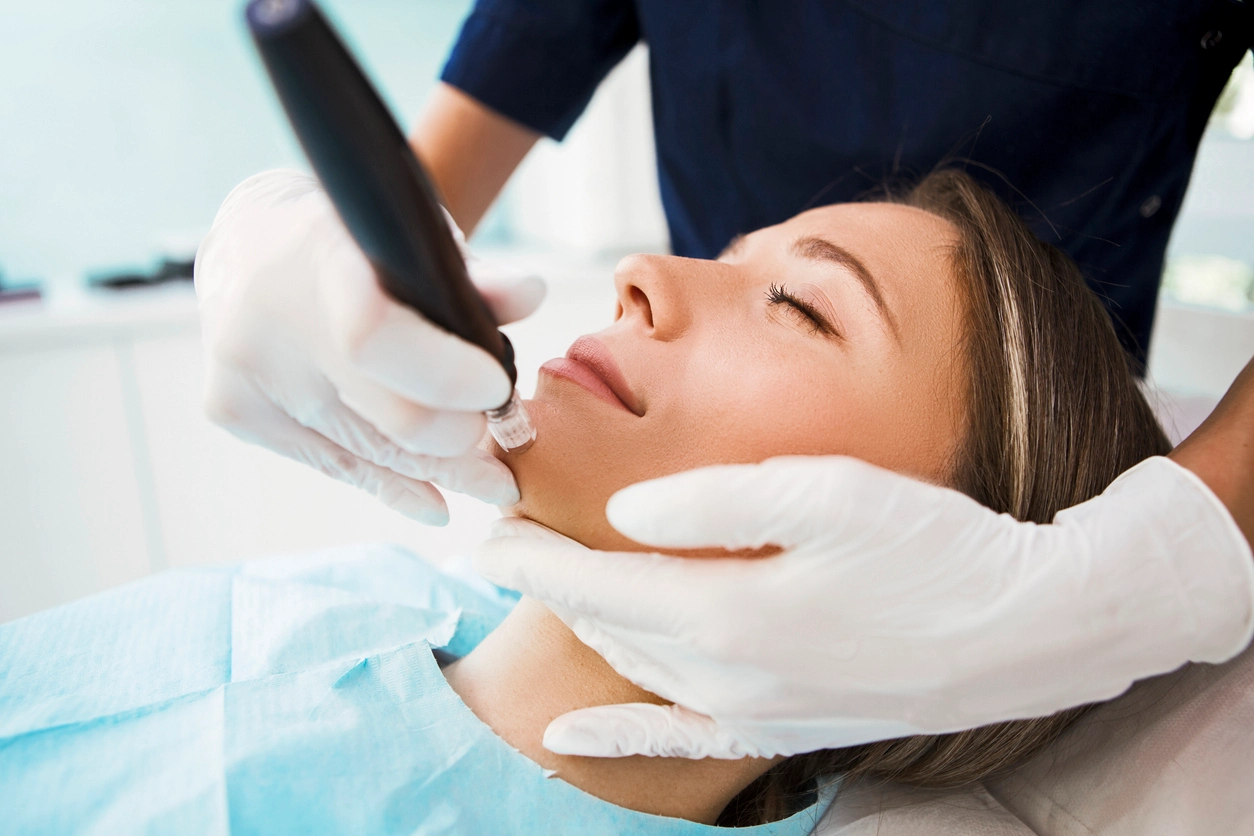
All of these treatments improve skin texture and tone, but they work differently and suit different concerns. A peel exfoliates chemically from the surface down; microneedling creates controlled micro-injuries that stimulate collagen from within, which is often the stronger choice for textured acne scarring — we cover that comparison in detail in Chemical Peel vs. Microneedling: Which Treatment Is Right for You?. HydraFacial and similar hydradermabrasion treatments focus on hydration and gentle surface renewal with essentially no downtime, which makes them a good lower-commitment entry point, while a peel drives deeper cellular turnover. And for pigment and vascular concerns specifically, a photofacial (IPL) targets color in the skin rather than texture — see Photofacial vs. Chemical Peel: An Honest Comparison. If you're weighing a peel against a resurfacing laser, we compare downtime and results directly in Laser Facial vs. Chemical Peel, and if you want the full lineup side by side, see Skin Resurfacing 101.
Who Is a Good Candidate for a Chemical Peel?
You're likely a good candidate for a chemical peel if:
- You have dullness, rough texture, mild acne, or uneven tone rather than deep structural concerns
- You're not currently using isotretinoin (Accutane) or haven't within the past 6 months
- You don't have active cold sores, open wounds, or a sunburn in the treatment area
- You're prepared to strictly avoid sun exposure and follow aftercare for the days following treatment
Deeper pigment concerns like melasma need extra care in peel selection, since the wrong depth or acid can worsen pigmentation in some skin tones. See our guide on melasma causes and treatment options for more on that distinction, and always discuss your Fitzpatrick skin type with your provider before booking.
What Happens During a Chemical Peel Appointment at Evolve Med Spa?
- Consultation and skin assessment — your provider evaluates your skin type, concerns, and history to select the right peel depth and acid.
- Cleansing and prep — the skin is thoroughly cleansed to remove oil and debris so the peel can absorb evenly.
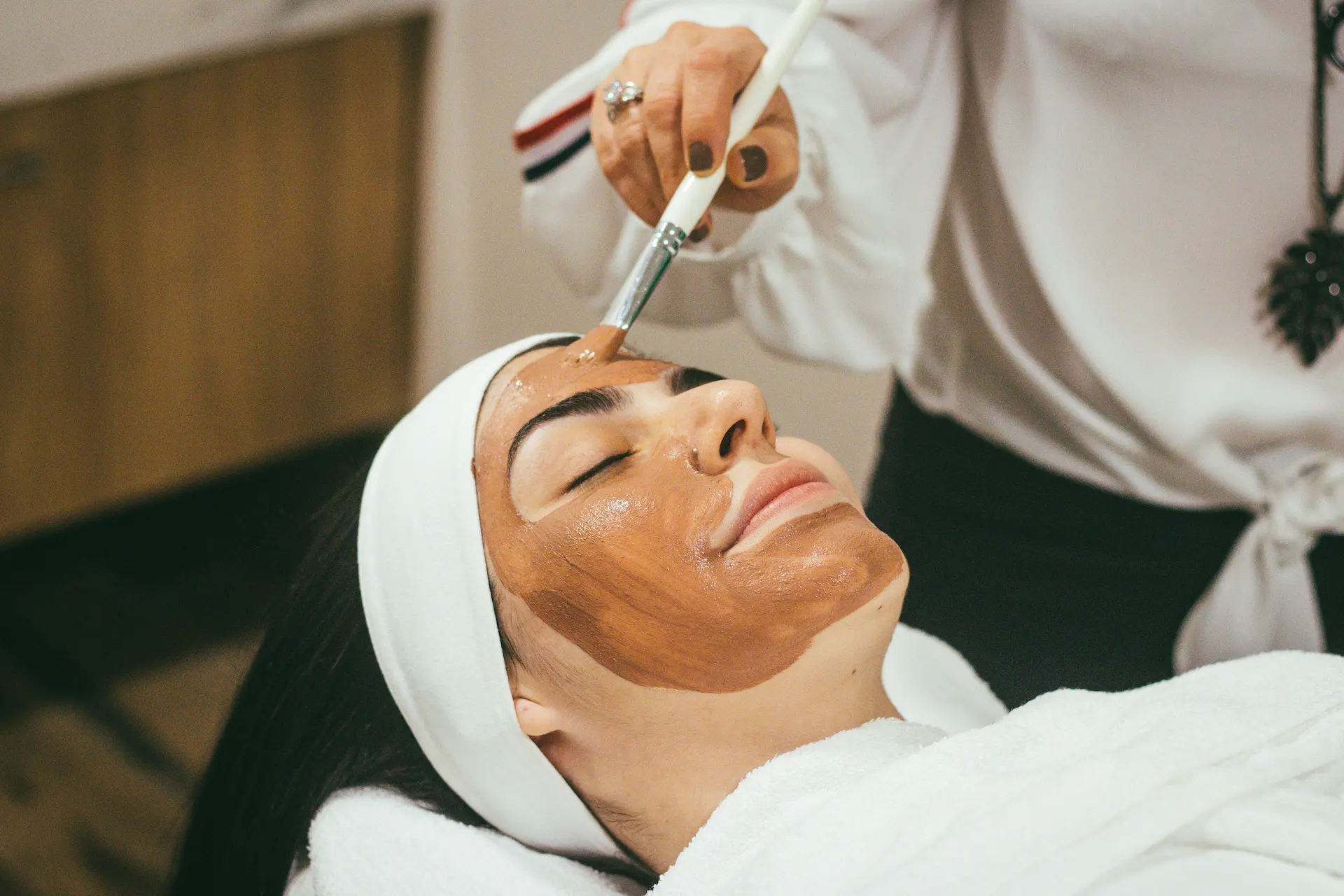
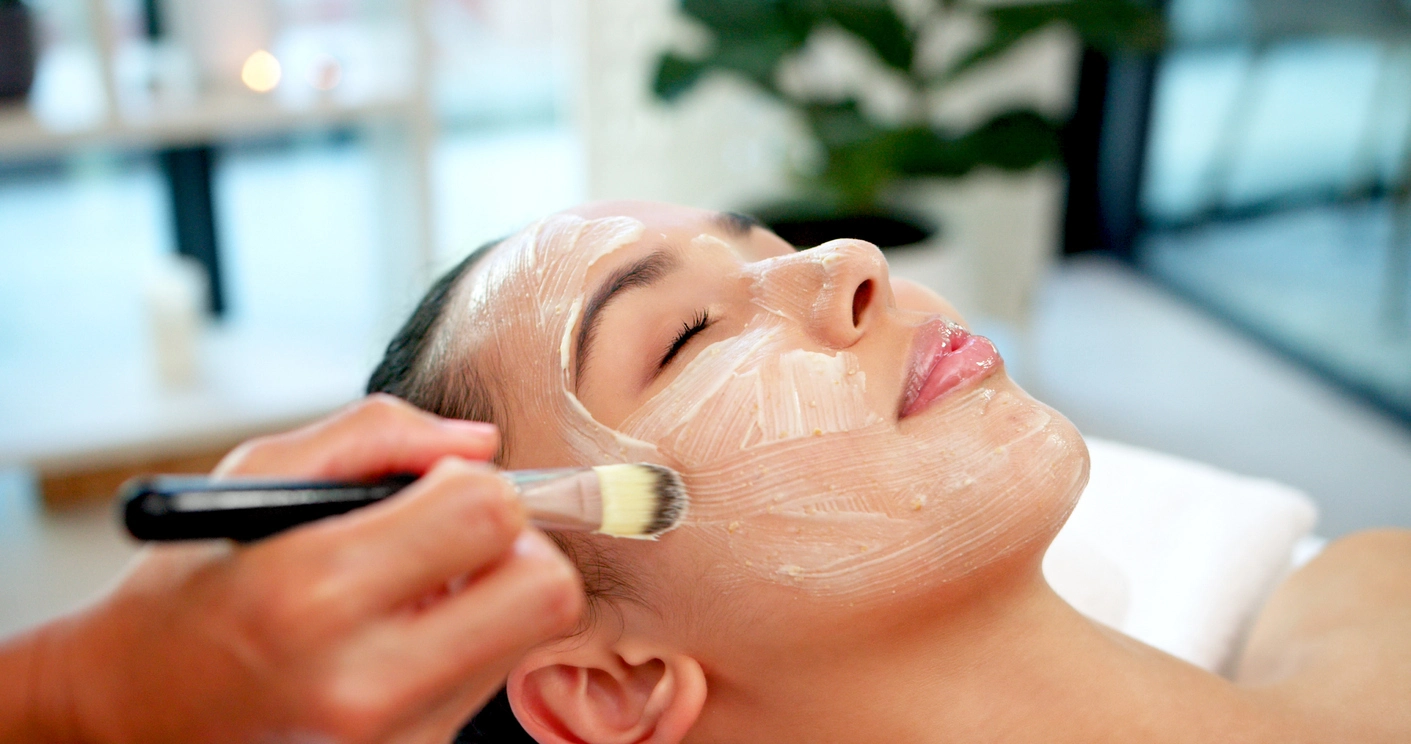
- Application — the peel solution is applied in a controlled layer. Most patients feel a tingling or warm sensation rather than sharp pain.
- Neutralization or timed removal — depending on the peel type, the solution is either neutralized or left to fully absorb per protocol.
- Aftercare guidance — you'll leave with SPF, a gentle cleanser recommendation, and specific instructions for the days ahead.
What Is the Peeling and Downtime Timeline After a Chemical Peel?
Timelines vary by depth, but a typical superficial-to-medium peel follows a pattern like this: skin may look slightly pink or feel tight on day 1; visible flaking or peeling often begins around day 2–4 and continues for a few days; by day 5–7 peeling has typically resolved and the refreshed skin underneath is visible. Strict SPF and avoiding picking at peeling skin are the two habits that matter most during this window.
Which Chemical Peel Does Evolve Med Spa Offer?
Evolve Med Spa offers PCA Peel, a professional, highly customizable peel system that spans several formulations — from a gentle option for sensitive skin and first-timers to more targeted options for acne, hyperpigmentation, and sun damage. Because PCA's approach is progressive rather than one-size-fits-all, your provider will select the specific formulation based on your skin and goals. Read the full breakdown in What Is a PCA Peel?, or see the chemical peel service page for booking details.
Frequently Asked Questions
How do I know which type of chemical peel is right for me?
It depends on your skin type, tolerance for downtime, and specific concerns. A superficial peel suits mild dullness and requires almost no recovery, while a medium-depth peel addresses more visible texture and pigment issues but needs several days of peeling. A consultation is the fastest way to match the right depth to your skin.
Does a chemical peel hurt?
Most patients describe a tingling, warming, or mild stinging sensation during application rather than pain. Any discomfort is brief and typically subsides once the peel is neutralized or the appointment ends.
How much downtime should I expect after a chemical peel?
Superficial peels often involve minimal visible downtime — light flaking for a day or two. Medium-depth peels typically involve 3–7 days of noticeable peeling. Your provider will give you a timeline specific to the peel you receive.
How many chemical peel sessions do I need to see results?
A single peel can improve dullness and give an immediate glow, but for concerns like acne scarring, hyperpigmentation, or texture, a series of peels spaced several weeks apart typically produces more meaningful, lasting change.
What's the difference between a chemical peel and microneedling?
A chemical peel exfoliates the skin's surface chemically; microneedling creates controlled micro-injuries that stimulate collagen from deeper within the skin. They treat overlapping concerns but aren't interchangeable — see our full comparison in Chemical Peel vs. Microneedling to see which fits your goals.
Chemical Peels at Evolve Med Spa
Whether you're treating your first breakout, working on years of sun damage, or just want a brighter, smoother complexion, the right peel depends on getting the details right — depth, acid, and frequency. Our providers will walk you through those choices at your consultation. Book your chemical peel consultation to get started.eels can be an effective way to improve the appearance of your skin. By understanding how they work and the different types available, you can make an informed decision about whether a chemical peel is right for you.
Remember: Always consult with a qualified esthetician like the ones at Evolve Med Spa to determine if a chemical peel is suitable for your skin type and concerns.