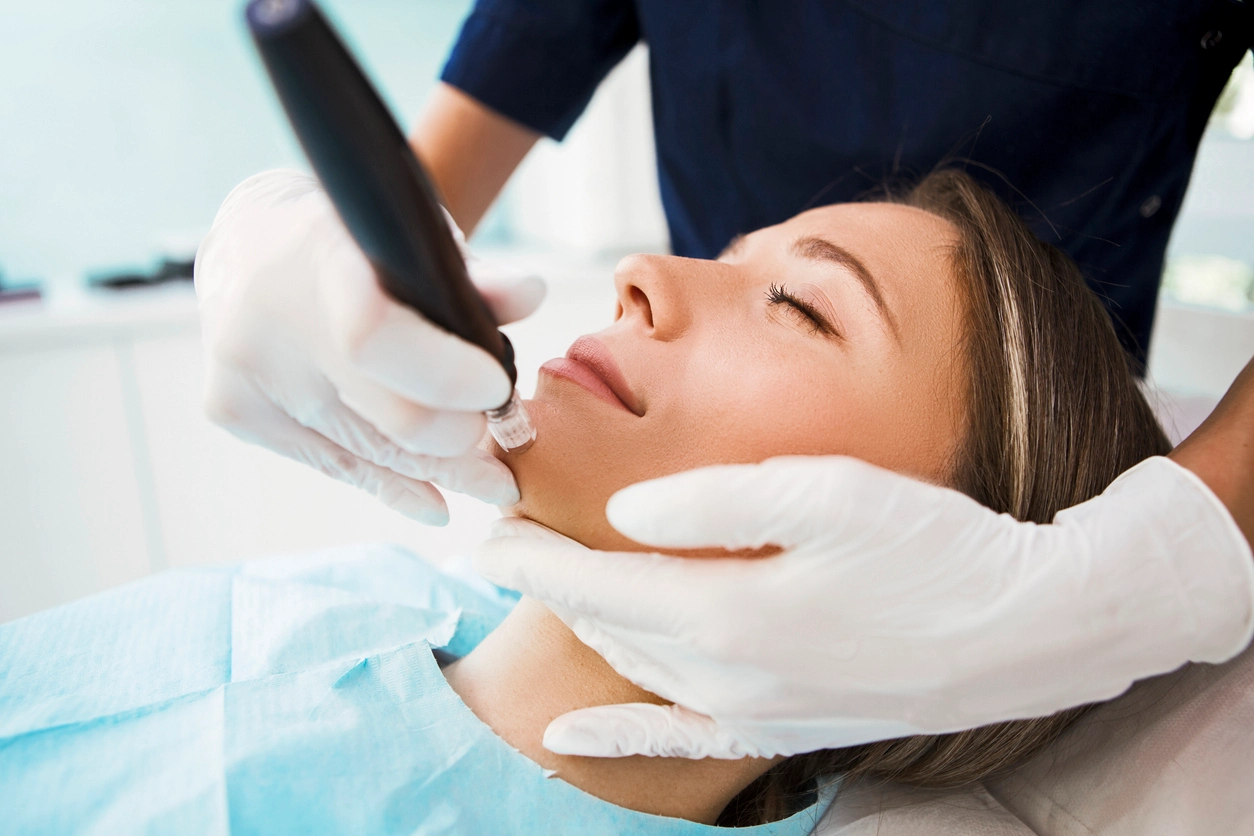
If you've ever wondered how some people achieve that impossibly smooth, glass-like skin, dermaplaning might be the answer. One of the most effective and immediately gratifying facial treatments available, dermaplaning has become a go-to procedure at med spas nationwide for good reason. In this guide, we'll break down exactly what dermaplaning is, how it works, who it's right for, and what you can expect before and after treatment.
What Is Dermaplaning?
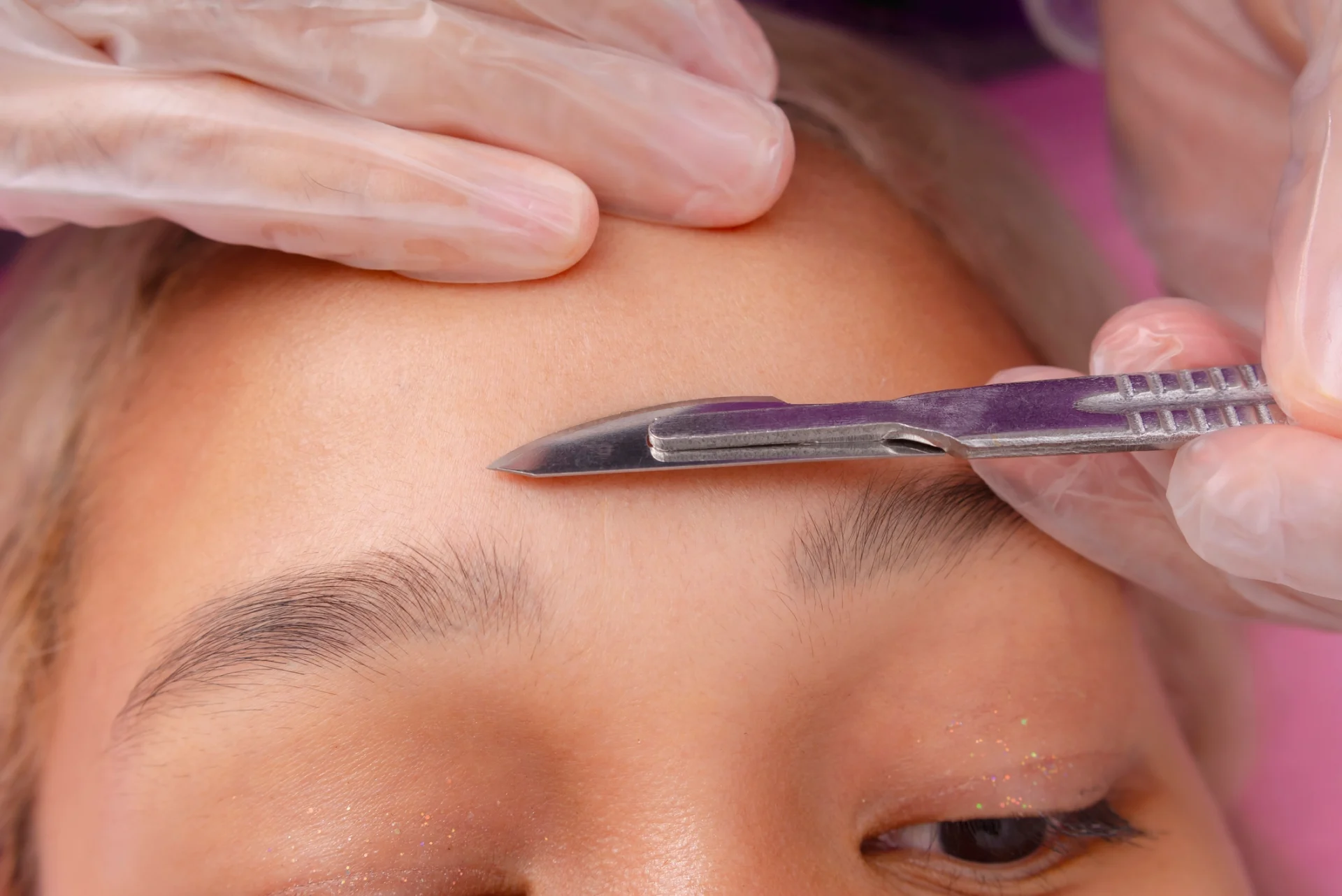
Dermaplaning is a professional exfoliation treatment in which a licensed provider uses a sterile, surgical-grade blade to gently scrape the surface of the skin at a 45-degree angle. The process removes the outermost layer of dead skin cells as well as vellus hair — commonly known as "peach fuzz" — leaving the skin visibly smoother, brighter, and more even-toned.
Unlike at-home dermaplaning tools marketed to consumers, professional dermaplaning performed at a medical spa uses clinical-grade instruments and is performed by trained estheticians or medical professionals. The difference in precision, safety, and results is significant.
What Does Dermaplaning Actually Do for Your Skin?
The treatment works on two levels: physical exfoliation and surface hair removal. By clearing away the buildup of dead skin cells, dermaplaning stimulates cell turnover and allows skincare products applied afterward to penetrate more effectively. The removal of vellus hair also means smoother makeup application and a more refined skin texture overall.
Clinical benefits of dermaplaning include:
- Immediate brightening and radiance
- Reduced appearance of fine lines and rough texture
- Improved absorption of serums and moisturizers
- Smoother makeup application
- Safe for most skin types, including sensitive skin
- No downtime required
Is Dermaplaning the Same as Shaving?
This is one of the most common questions providers hear. Dermaplaning uses a surgical scalpel — not a standard razor — and is performed at a specific angle with a specific technique that targets dead skin cells as well as hair. Shaving only removes hair at the skin's surface without exfoliating.
Another common myth: that dermaplaning causes hair to grow back thicker or darker. This is not true. Vellus hair does not have a pigmented follicle root, and removing it does not alter its texture or color. When it grows back, it comes back the same fine, light hair it was before.
Who Is a Good Candidate for Dermaplaning?
Dermaplaning is one of the most universally accessible facial treatments available. It works well for anyone with dull, rough, or uneven skin texture, people looking for a smoother base for makeup, patients who want to enhance the results of other skincare treatments, and those who are pregnant and want to avoid chemical exfoliants.
Dermaplaning is generally not recommended for those with active acne breakouts, as the blade can spread bacteria or worsen irritation. We cover this in detail in our post on whether dermaplaning can cause breakouts.
What Should You Expect During a Dermaplaning Treatment?
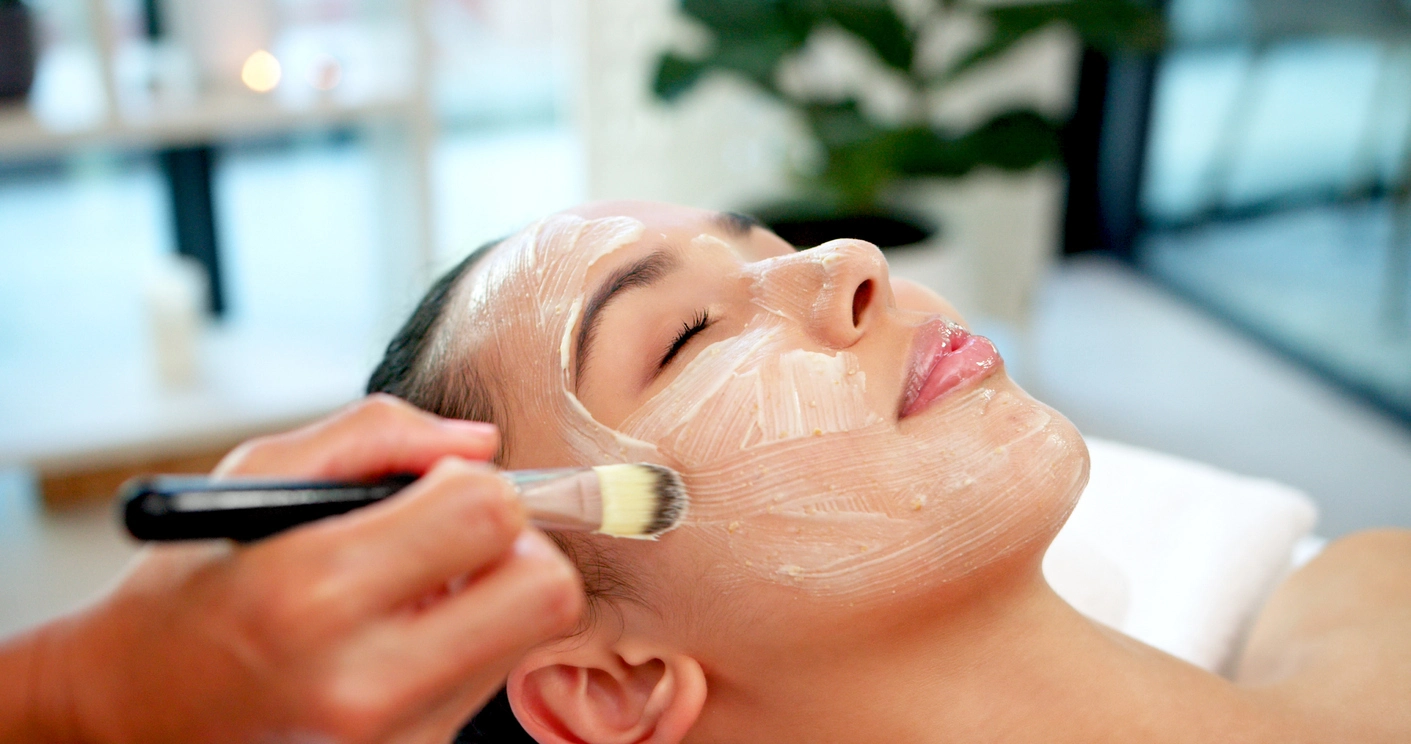
A standard dermaplaning session at Evolve Med Spa takes approximately 30 to 45 minutes. Your provider will cleanse your skin thoroughly, then use light, feathering strokes with the surgical blade across the treatment area. Most patients describe the sensation as similar to someone scraping a credit card across their skin — not painful, just a light pressure. After dermaplaning, your provider may apply serums, a hydrating mask, or SPF to complete the treatment. There is no downtime.
Can Dermaplaning Be Combined with Other Treatments?
Because dermaplaning removes the barrier of dead skin and peach fuzz, any treatment performed immediately after can penetrate more deeply. Common pairings include dermaplaning combined with DiamondGlow or HydraFacial for maximum hydration delivery, or dermaplaning before a chemical peel for enhanced penetration.
Other popular combinations include dermaplaning with LED light therapy for deeper light penetration, and dermaplaning as a prep step before microneedling sessions.
What Are the Results After Dermaplaning?
Results are visible immediately. Most patients notice significantly smoother skin texture, a brighter complexion, reduced appearance of fine lines, and a noticeably smoother canvas for foundation. Results typically last two to four weeks, at which point most patients schedule their next session — often pairing dermaplaning with another treatment for enhanced results.
How Much Does Dermaplaning Cost?
Dermaplaning is generally priced as a standalone treatment or as an add-on to other facials. Costs vary depending on the provider and geographic location. At Evolve Med Spa, the treatment is competitively priced and often bundled with complementary services. During your consultation, your provider will walk you through all pricing options.
Frequently Asked Questions About Dermaplaning
Does dermaplaning hurt?
No. Dermaplaning is generally painless. Most patients describe it as a light scraping sensation with no discomfort.
How often should you get dermaplaning?
Every four to six weeks is the most common recommendation, aligning with the skin's natural cell turnover cycle.
Can dermaplaning cause breakouts?
When performed correctly by a trained professional, dermaplaning does not cause acne. We address this fully in our dedicated post: Can Dermaplaning Cause Breakouts? Myth vs. Reality.
Does peach fuzz grow back thicker after dermaplaning?
No. Vellus hair grows back exactly as it was before — fine, light, and soft. Dermaplaning does not affect the hair follicle and cannot change the hair's color or texture.
Is dermaplaning safe for sensitive skin?
Yes, for most people. Dermaplaning is one of the gentler exfoliation options and does not use chemicals or heat. Those with active rosacea or eczema flares should consult with a provider before booking.
Ready to experience the difference dermaplaning can make? Book your treatment at Evolve Med Spa today and leave with smoother, brighter skin the same day.