Mix & Match Facial Filler — Your Way. Choose your brand, customize your look. 3–5 syringes starting at $1,600. June only. Book now
The wait is finally over, NYC. Come visit our new temporary home at Sola Salon (50 W 17th St). We can’t wait to see you!
Ready to fine-tune your look and feel your absolute best? Our interactive consultation is designed to make achieving your aesthetic goals effortless. Take our new treatment quiz
Excessive Sweating (Hyperhidrosis): Causes and Treatment Options
Table of Content
✕
Table of Content
What is Excessive Sweating (Hyperhidrosis)?
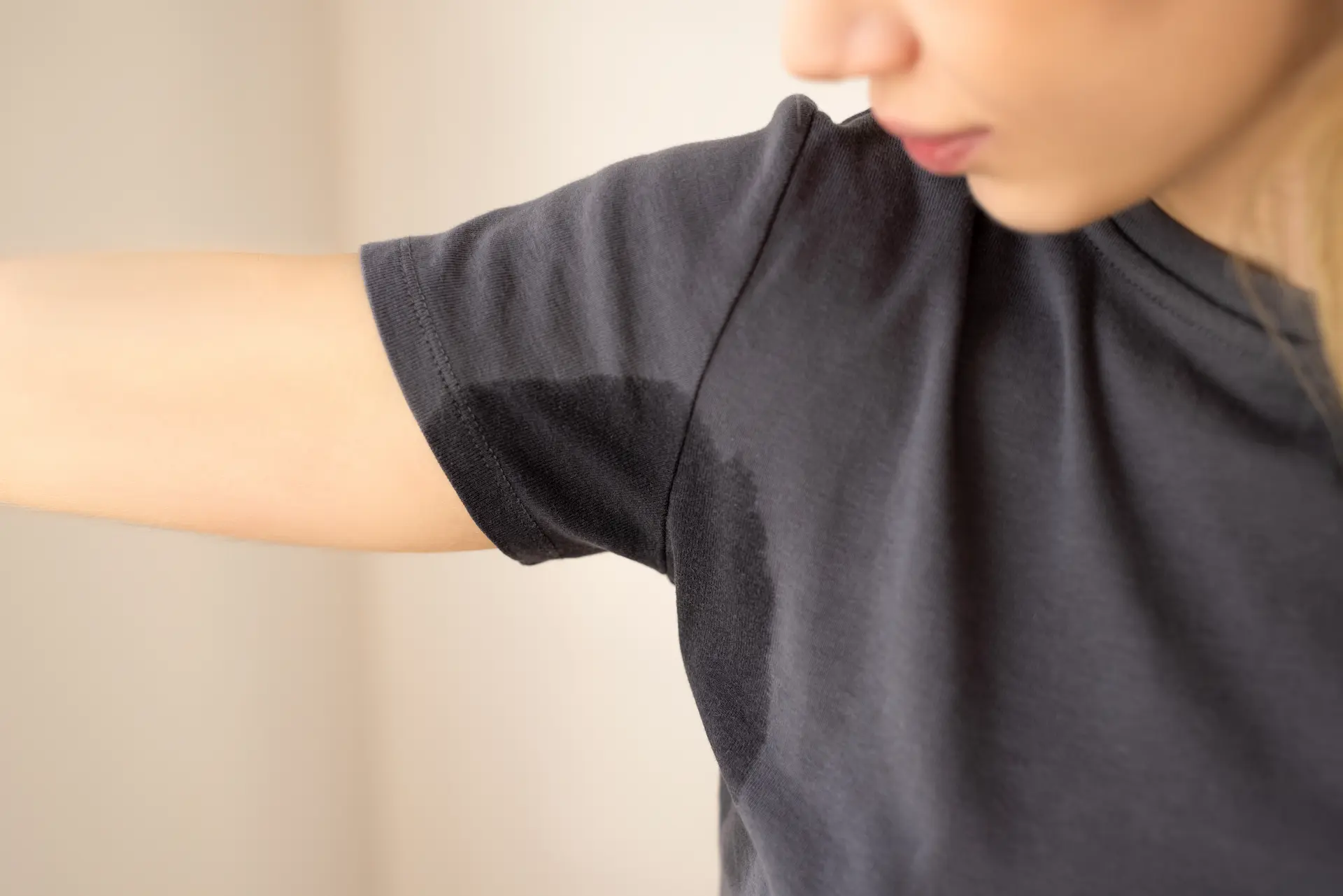
Sweating is a natural bodily function that helps regulate body temperature. However, some individuals experience excessive sweating, known as hyperhidrosis, even when they are not hot or exercising. This can be a significant social and emotional burden, impacting daily life and self-confidence.
Causes of Excessive Sweating
Primary Hyperhidrosis: This is the most common type and has no identifiable underlying medical cause. It often begins in childhood and tends to run in families.
Secondary Hyperhidrosis: This type of excessive sweating is caused by an underlying medical condition, such as:
Hormonal imbalances: Menopause, hyperthyroidism (overactive thyroid), and low blood sugar can all cause excessive sweating.
Medications: Certain medications, including some antidepressants, blood pressure medications, and pain relievers, can cause sweating as a side effect.
Infections: Some infections, such as tuberculosis and HIV, can cause excessive sweating.
Cancer: Certain types of cancer, such as lymphoma and leukemia, can also cause excessive sweating.
Other medical conditions: Conditions such as diabetes, heart failure, and anxiety can also contribute to excessive sweating.
Treating Excessive Sweating
Several treatment options are available for hyperhidrosis, depending on the severity and underlying cause:
Topical Antiperspirants: Over-the-counter antiperspirants containing aluminum chloride can be very effective in reducing sweating in the underarms.
Prescription Medications:
Anticholinergic medications: These medications can help to block the nerve signals that stimulate sweat glands.
Oral medications: Certain medications can be used to treat underlying medical conditions that may be contributing to excessive sweating.
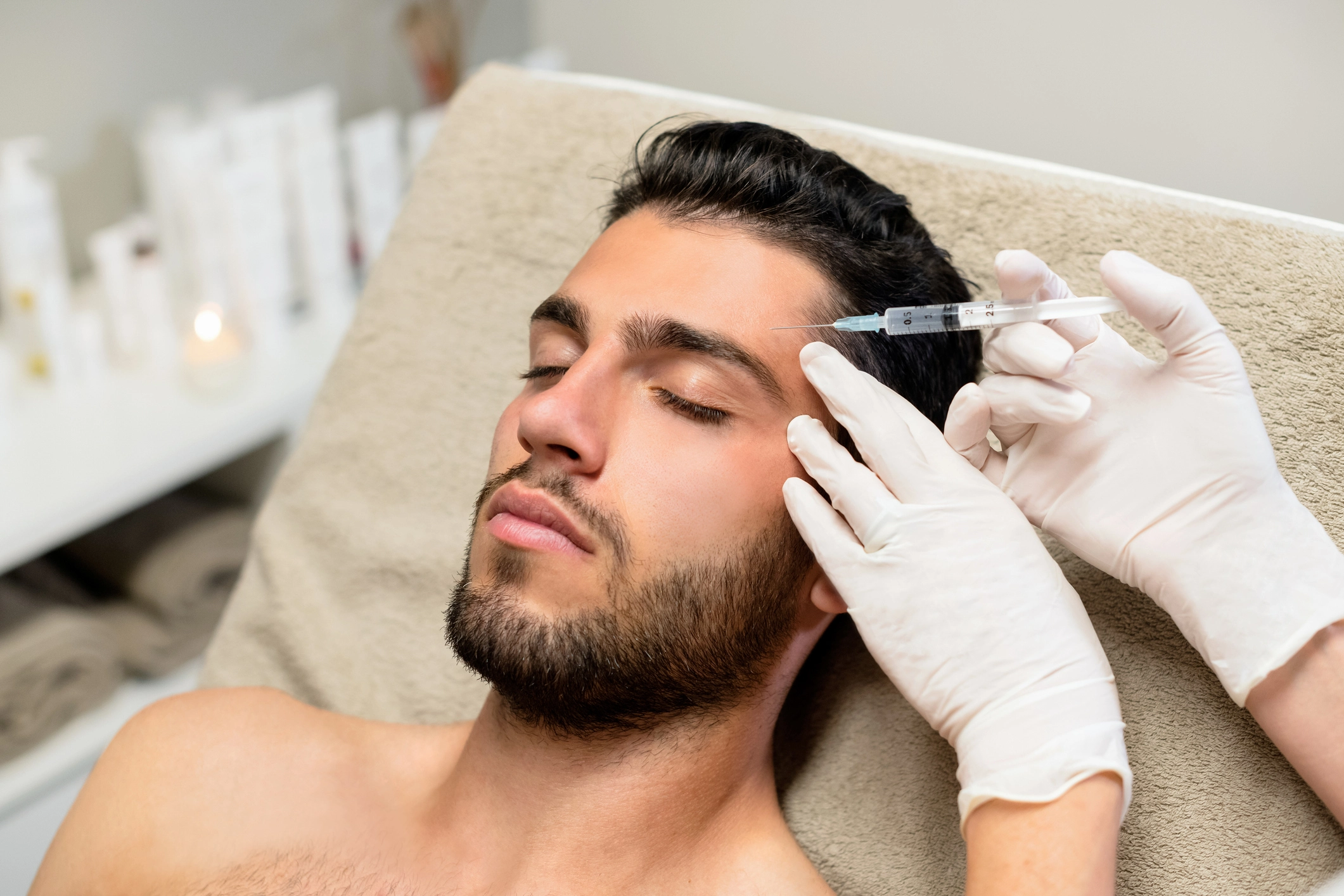
Botox Injections: Injections of botulinum toxin (Botox) can temporarily paralyze the nerves that control sweat glands, reducing sweat production.
Iontophoresis: This treatment involves passing a mild electrical current through water to temporarily deactivate the sweat glands.
Surgery: In severe cases, surgical procedures may be considered, such as endoscopic thoracic sympathectomy (ETS), which disrupts the nerve signals that control sweating.
Disclaimer: This information is for general knowledge and informational purposes only and does not constitute medical advice. If you are experiencing excessive sweating, it's essential to consult with a healthcare professional to determine the underlying cause and discuss the most appropriate treatment options for you.
By consulting with a healthcare professional like the ones at Evolve Med Spa and exploring available treatment options, you can effectively manage excessive sweating and regain your confidence.
Let’s keep in touch! Sign up to our newsletter and receive 10% off your first treatment with us!
Explore
This website may convey general information related to medical conditions, their research, testing, and treatment, and other health care topics. Any such information is provided for informational purposes only. You should always consult with a doctor or other health care professional for medical advice or information about diagnosis and treatment.