Smile lines and nasolabial folds are among the most common cosmetic concerns patients bring to a med spa. These creases, which run from the sides of the nose down to the corners of the mouth, deepen naturally with age — and for many people, they begin to feel less like an expression of happiness and more like a marker of time. The good news: there are highly effective, minimally invasive ways to soften or eliminate them. This guide covers what causes smile lines and nasolabial folds, which treatments work best, and what to realistically expect from each option.
What Are Smile Lines and Nasolabial Folds?
The terms are often used interchangeably, but they refer to slightly different things:
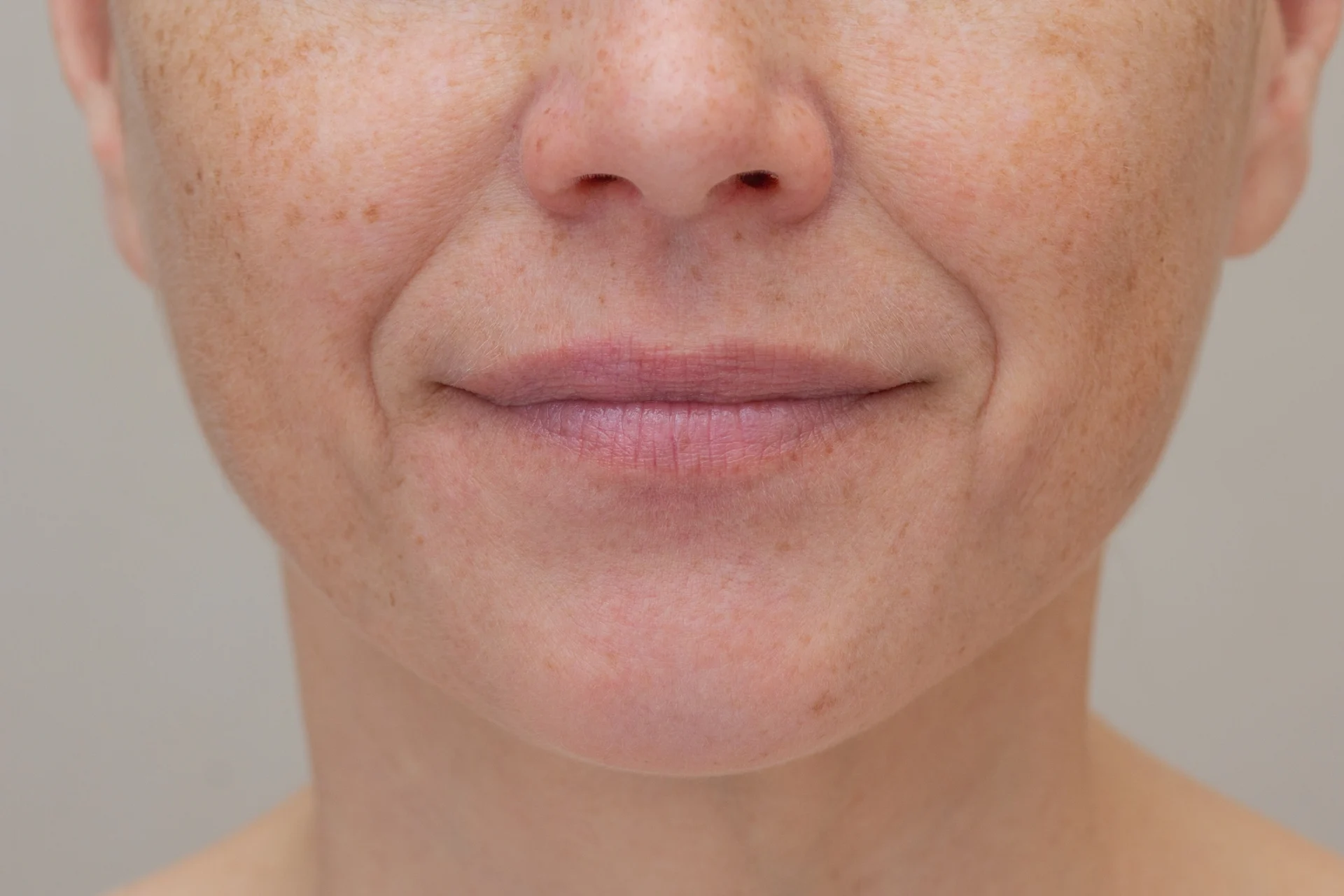
Nasolabial folds are the grooves that run from the outer edges of the nostrils down to the corners of the mouth. Everyone has them to some degree — they're a normal anatomical feature that becomes more visible with age. For a dedicated look at this structure, see our post: Nasolabial Folds: Causes and Effective Treatment Options.
Smile lines (also called accordion lines) are dynamic expression lines that form when you smile or laugh and may become permanently etched into the skin over time. For more on this specific type: Smile Lines (Accordion Lines): Causes and Effective Treatments.
The most effective treatment depends on which type is more prominent — and in many patients, both are present.
What Causes Smile Lines and Nasolabial Folds to Deepen?
Multiple factors contribute to the deepening of smile lines and nasolabial folds:
- Volume loss: As we age, we lose fat in the midface. As this fat descends and diminishes, the support for the overlying skin disappears and the nasolabial fold becomes more prominent.
- Collagen and elastin loss: Skin loses its ability to snap back from repeated expressions, and lines become permanently etched.
- Sun damage: UV exposure accelerates collagen breakdown and contributes to skin laxity.
- Genetics: Some people are predisposed to deeper nasolabial folds based on their facial bone structure and fat distribution.
- Body weight fluctuations: Significant weight loss can accelerate facial volume loss and deepen nasolabial folds.
What Is the Best Treatment for Smile Lines?
The best treatment depends on the cause and severity of the lines. Here is a breakdown of the most effective options:
Dermal Filler for Nasolabial Folds
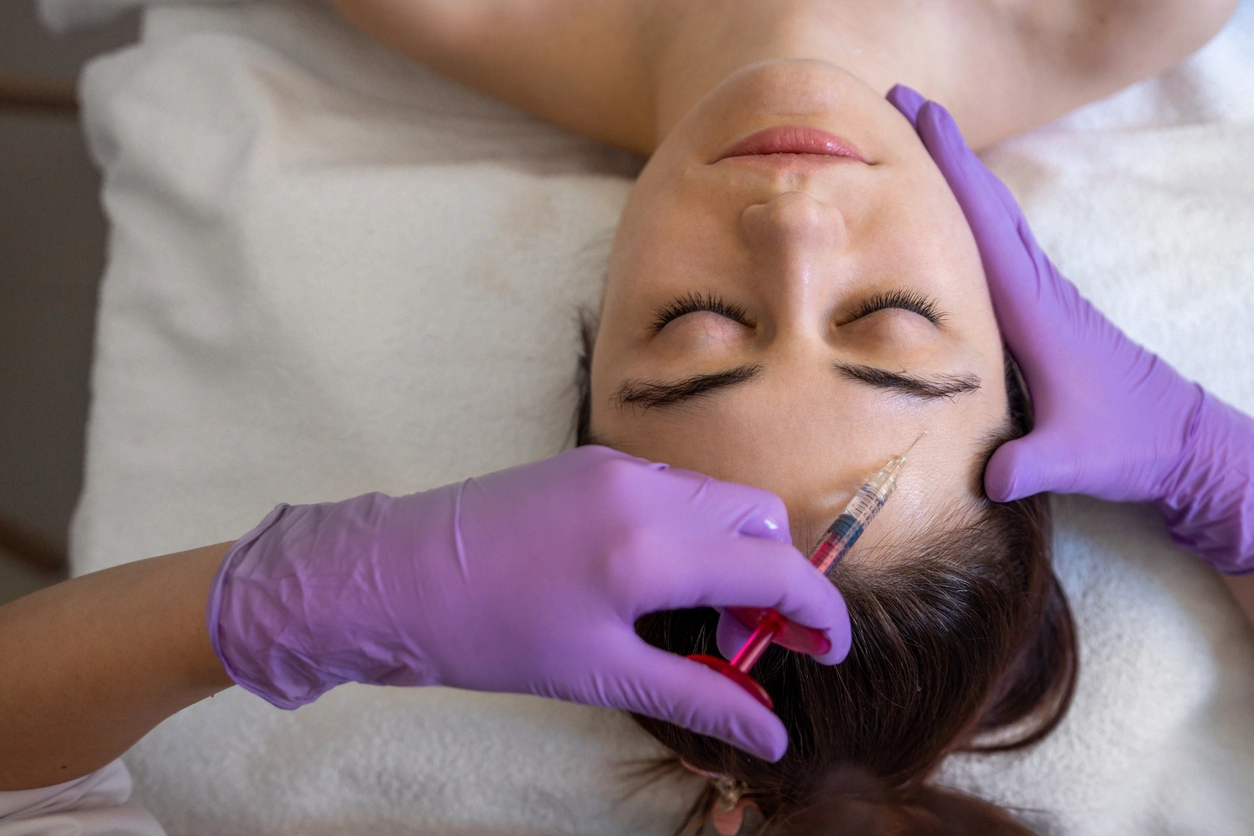
Hyaluronic acid filler is the most common and effective treatment for nasolabial folds. Filler can be placed directly into the fold or — more strategically — into the cheeks and midface to lift the overlying tissue and reduce the appearance of the fold indirectly. Most providers use a combination approach. Results from nasolabial fold filler typically last 9 to 18 months.
Sculptra for Structural Support
For patients with significant midface volume loss, Sculptra (poly-L-lactic acid) can be an excellent option for treating the root cause of nasolabial fold depth. By stimulating collagen production in the cheek and midface region, Sculptra gradually restores structural support. Results develop over several months and can last two or more years. See our full Sculptra guide: Sculptra: What It Is, How It Works, Cost, and Results.
Microneedling for Surface Texture
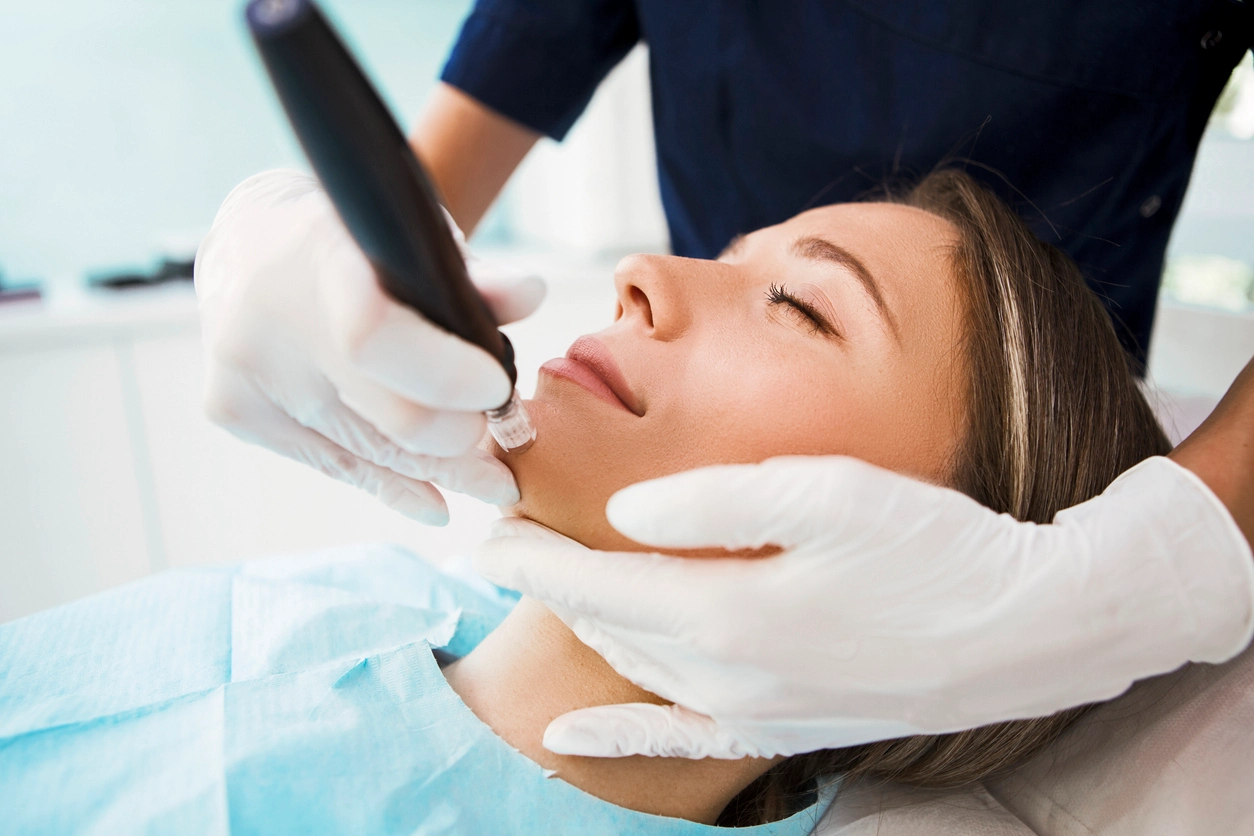
For patients whose primary concern is the texture of smile lines rather than the depth of nasolabial folds, microneedling is a highly effective option. By stimulating collagen production in the dermis, microneedling gradually smooths the surface texture of smile lines. A series of three to four sessions is typically recommended for optimal results.
RF Microneedling (Morpheus8)
RF microneedling combines the collagen-stimulating effects of standard microneedling with radiofrequency energy delivered deep into the skin. This dual-action treatment produces more significant lifting and tightening than microneedling alone and is particularly effective for deeper nasolabial folds and patients with mild to moderate skin laxity. Learn more: The Miracle of Morpheus8.
Laser Resurfacing
Ablative and fractional laser treatments (like CO2 or Halo laser) can address the surface texture of smile lines by removing damaged skin cells and stimulating collagen remodeling. Laser is particularly effective for fine lines around the mouth and superficial smile lines that don't respond well to injectables.
Should Filler Go Directly into the Nasolabial Fold?
This is one of the most nuanced questions in facial filler treatment. Placing filler directly into the fold is one approach, but it can sometimes create an unnatural appearance if not done with precision. For many patients, a combination approach works best: midface/cheek filler to lift and restore structural support, plus a small amount of filler directly in the fold for any remaining depth. During your consultation at Evolve Med Spa, your provider will assess your anatomy and recommend which approach will produce the most natural result.
How Long Does Nasolabial Fold Filler Last?
Longevity varies by product and patient. As a general guide, nasolabial fold filler lasts 9 to 18 months; cheek filler lasts 12 to 24 months; and Sculptra results last 2+ years. For a comprehensive breakdown by area, see our Filler Longevity Guide.
Can Smile Lines Be Prevented?
While complete prevention isn't possible, several habits can slow the progression of smile lines:
- Daily SPF: UV damage accelerates collagen breakdown. A broad-spectrum SPF 30+ applied every morning is the single most impactful anti-aging step.
- Retinol or retinoid use: These vitamin A derivatives stimulate collagen production and accelerate cell turnover.
- Consistent hydration: Well-hydrated skin maintains its elasticity longer.
- Early filler intervention: Small amounts of midface filler used preventatively can delay the deepening of nasolabial folds by maintaining structural support before significant volume loss occurs.
Frequently Asked Questions About Smile Line Treatments
How much filler do I need for nasolabial folds?
Most patients require 0.5 to 1.5 syringes of filler per side for direct nasolabial fold treatment, though the total treatment plan (including cheek filler for indirect support) may involve more. Your provider will give you a precise recommendation based on your anatomy during your consultation.
Does nasolabial fold filler hurt?
Most patients tolerate the treatment well. A topical numbing cream is applied beforehand, and most HA fillers contain lidocaine in the formulation. Most patients rate the discomfort as mild.
Can you get rid of smile lines naturally?
Skincare habits — especially SPF, retinol, and hydration — can slow the progression of smile lines and improve the surface texture of early lines. However, for established nasolabial folds with significant depth, these measures alone are unlikely to produce dramatic improvement. Injectable treatments are currently the most effective non-surgical option.
Is treating smile lines with filler safe?
Yes, when performed by a trained provider using FDA-approved products. The nasolabial fold area is one of the safer injection zones, but it does border the nasal artery. This is why choosing a provider with a thorough understanding of facial anatomy and vascular safety protocols is essential.
What is the difference between smile lines and marionette lines?
Nasolabial folds (smile lines) run from the nose to the corners of the mouth. Marionette lines run from the corners of the mouth down toward the chin. Both are treated with similar techniques, but the injection points and product choices differ. For a look at treating around the mouth area, see: Best Injectable Fillers Around Mouth For Frown Lines.
Ready to do something about your smile lines? Book a filler consultation at Evolve Med Spa and our expert injectors will assess your anatomy and recommend the most effective treatment plan for your goals.