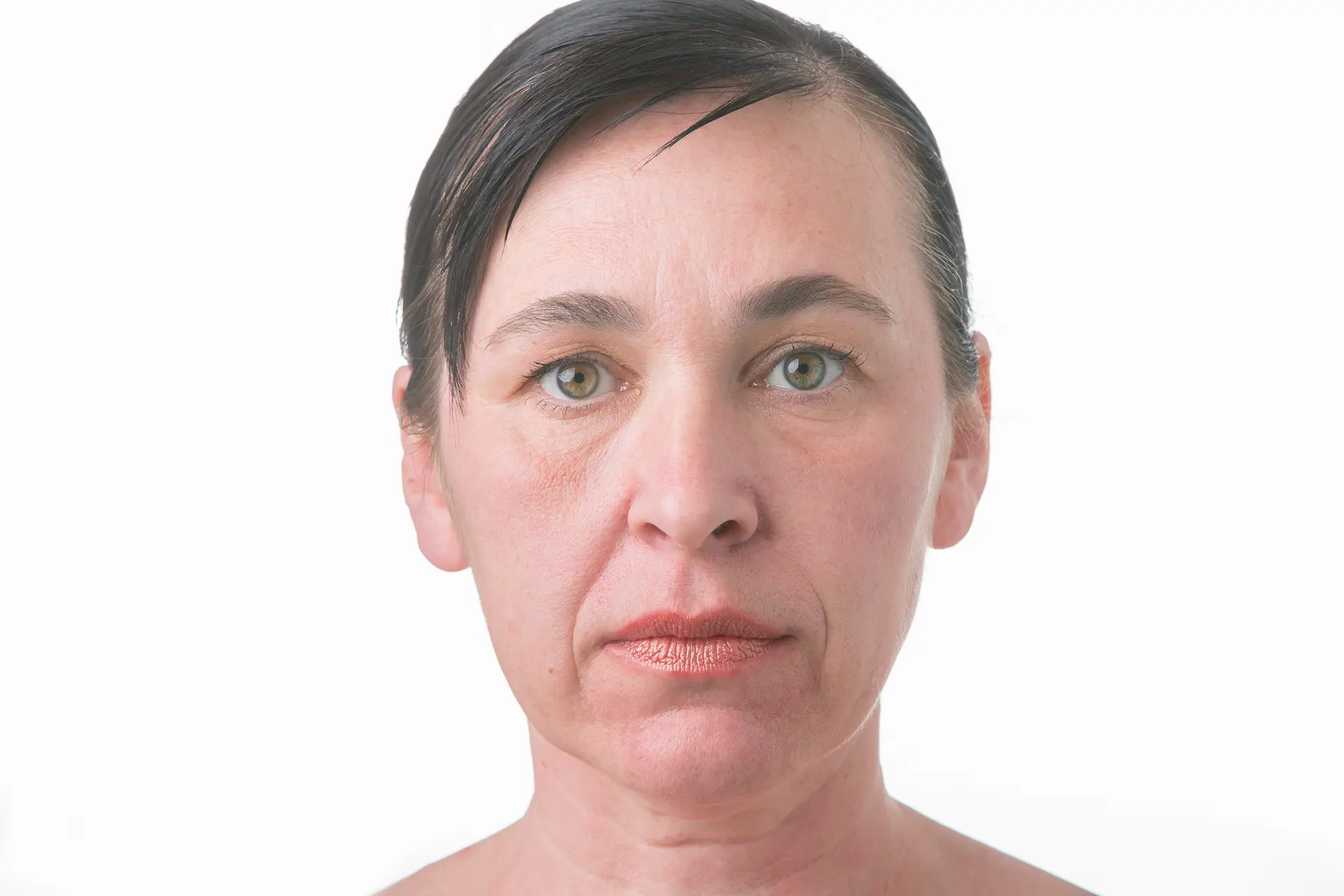
Nasolabial folds — also called laugh lines or smile lines — are the creases that run from the sides of your nose down to the corners of your mouth. They're a normal part of facial anatomy, present even in younger faces during expressions. But as we age, they become permanently visible at rest, deepening into grooves that can make the face look older or more tired than you feel.
The good news: nasolabial fold treatments have come a long way, with multiple effective options ranging from injectable fillers to device-based collagen stimulation. Here's a full breakdown of what causes nasolabial folds to deepen — and what actually works to treat them.
What Are Nasolabial Folds?
Nasolabial folds are defined anatomical grooves formed by the boundary between the cheek and the upper lip. Everyone has them — they're necessary for normal facial expression. The issue isn't their existence but their depth. Shallow, subtle folds are a sign of a youthful face. Deep, prominent folds at rest are what most patients want to address.
The depth of your nasolabial folds is influenced by the volume of the midface above them. As cheek volume descends or diminishes with age, the fold becomes deeper and more prominent — which is why treatments that restore midface volume are often more effective than treating the fold itself directly.
What Causes Nasolabial Folds to Deepen?
Several factors contribute — and in most patients, it's a combination of all of them:
- Volume loss: As fat pads in the midface diminish and descend with age, the structural support above the nasolabial fold disappears, making the crease more prominent.
- Collagen and elastin loss: Skin gradually loses its ability to snap back from repeated expressions, and the lines become permanently etched at rest.
- Sun exposure: UV radiation accelerates collagen breakdown and contributes to skin laxity over time.
- Genetics: Some people are simply predisposed to deeper nasolabial folds based on facial structure and family history.
- Weight fluctuations: Repeated stretching and contraction of the skin can weaken elasticity over time.
- Lifestyle factors: Smoking, poor diet, and chronic dehydration all contribute to accelerated skin aging.
What Are the Best Treatments for Nasolabial Folds?
The right treatment depends on what's driving the folds — volume loss, collagen loss, skin laxity, or a combination. Most patients benefit from a multi-modal approach.
Can Dermal Fillers Treat Nasolabial Folds?
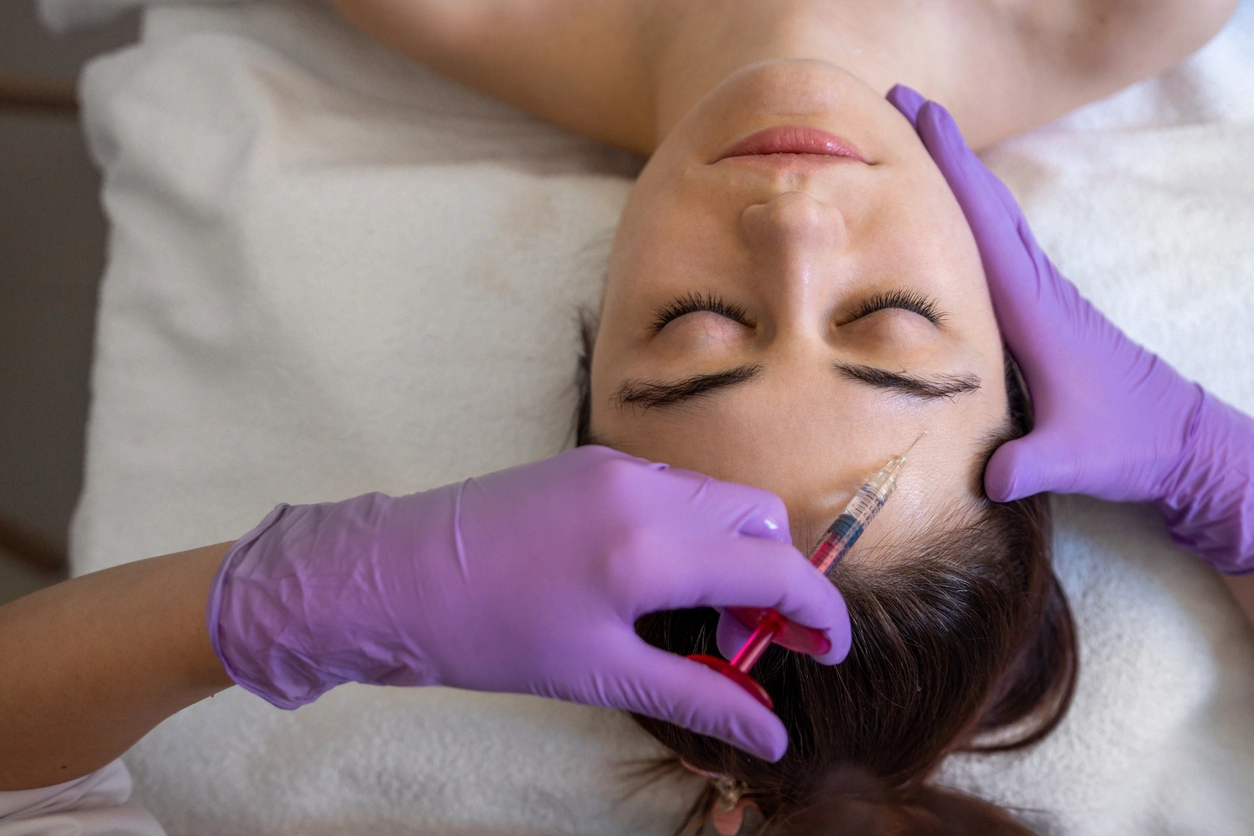
Dermal fillers are the most direct and immediate treatment for nasolabial folds. Hyaluronic acid filler is injected into and around the fold to add volume, soften the crease, and restore a smoother transition between the cheek and upper lip.
Two approaches are commonly used: direct injection into the fold itself to fill the crease, or indirect treatment of the midface (cheek) to restore the structural volume that's causing the fold in the first place. Many injectors use a combination of both for the most natural, long-lasting result.
Common HA filler choices for nasolabial folds include Juvederm Vollure and Restylane Refyne — both designed specifically for this area. They're flexible enough to move naturally with expressions while providing the structural support needed to soften the crease. Results typically last 6–12 months. For a full breakdown of longevity by product and treatment area, see our Filler Longevity Guide.
Does Sculptra Work for Nasolabial Folds?
Sculptra is a biostimulator, meaning it works differently from HA filler — rather than adding volume directly, it stimulates your own collagen production. This makes it particularly effective for patients with significant volume loss throughout the midface, where addressing the root structural cause produces better long-term results than filling the fold alone.
Sculptra results build gradually over 3–6 months as collagen is produced, and results can last 2+ years. It's often recommended for patients who want a longer-lasting, more subtle correction than traditional HA filler provides. Hyperdilute Radiesse works similarly — stimulating collagen to improve skin quality and volume — and can be a good option for patients who want biostimulator-level longevity with a faster initial result.
What Device Treatments Help with Nasolabial Folds?
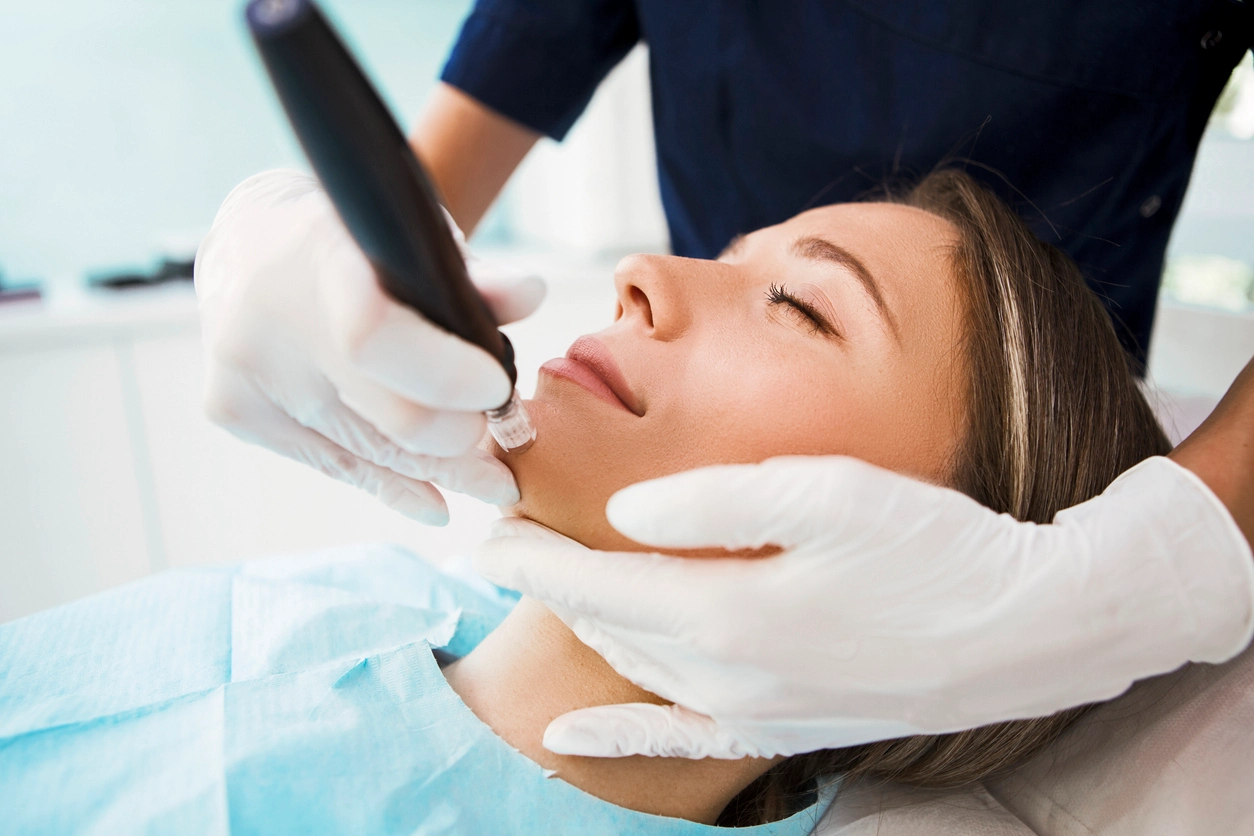
Morpheus8 combines microneedling with radiofrequency energy delivered into the deeper layers of the skin, stimulating both collagen and elastin production while tightening the skin from within. It's particularly effective for patients whose nasolabial folds are driven by skin laxity and collagen loss rather than pure volume deficit.
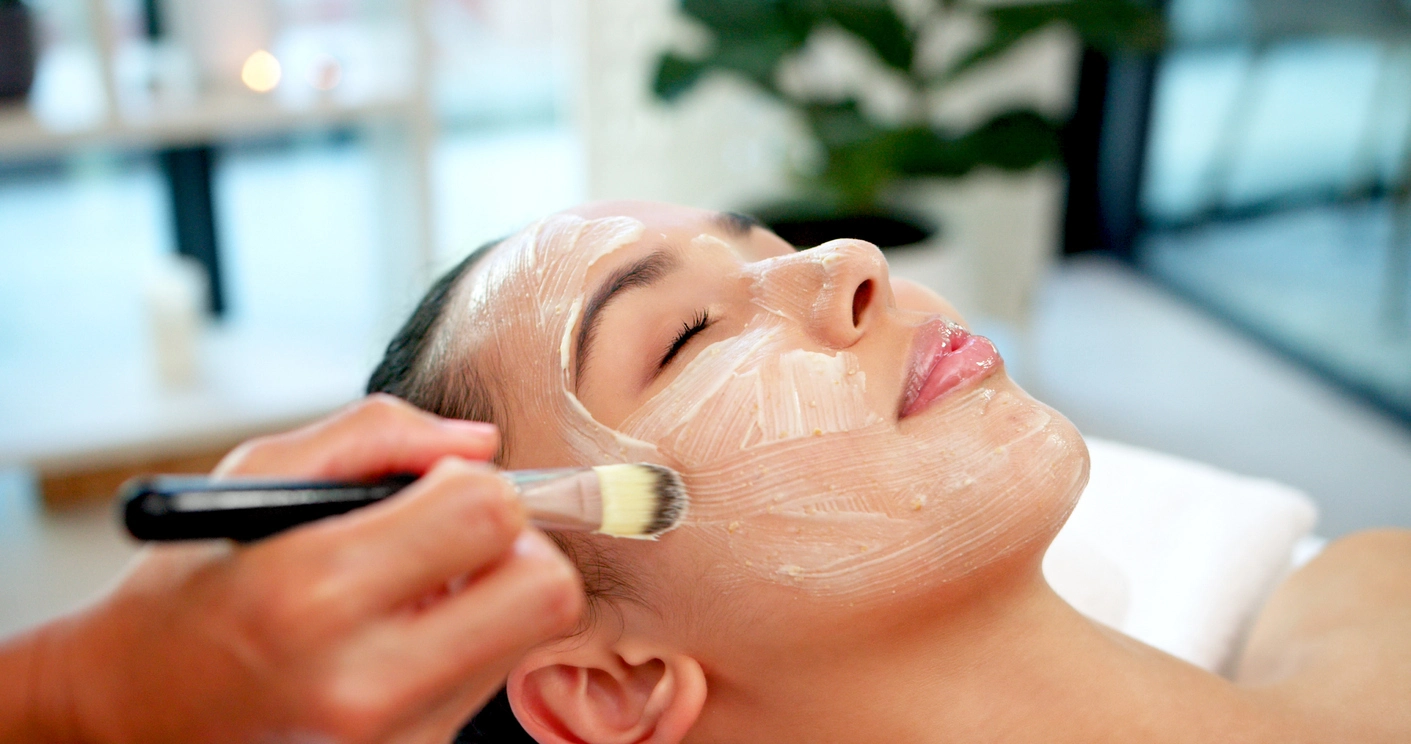
Microneedling improves skin texture and elasticity by triggering a controlled healing response that stimulates collagen production. Clear + Brilliant uses fractional laser technology to similar effect. These device treatments are often used in conjunction with injectables — improving skin quality while fillers address volume — rather than as standalone treatments for deep nasolabial folds.
Who Is a Good Candidate for Nasolabial Fold Treatment?
Most adults who are bothered by visible nasolabial folds at rest are candidates for treatment. The right approach depends on:
- The depth and location of the folds — shallow folds respond well to filler; deeper folds or those driven by significant volume loss may benefit more from cheek augmentation or biostimulators
- Whether skin laxity is a contributing factor — if the skin itself has lost firmness, device treatments like Morpheus8 may be recommended alongside injectables
- Your timeline and goals — filler delivers immediate results; Sculptra builds gradually but lasts significantly longer
A consultation with one of our injectors is the best way to identify which treatment — or combination of treatments — will deliver the most natural, lasting result for your anatomy.
What Can I Expect at a Nasolabial Fold Treatment Appointment?
Treatment time varies by approach:
- Dermal filler: 30–45 minutes. Results are visible immediately, with final results settling over 1–2 weeks as initial swelling resolves. Minimal downtime — most patients return to normal activity the same day.
- Sculptra: 30–45 minutes per session, with 2–3 sessions spaced 4–6 weeks apart. Results build gradually over 3–6 months.
- Morpheus8: 45–60 minutes. Some redness and swelling for 2–4 days post-treatment. Full results develop over 1–3 months as collagen is produced.
At Evolve Med Spa, all injectable treatments are performed by experienced injectors who will map your anatomy before treatment and review results with you before you leave.
What Skincare Can Help Reduce Nasolabial Folds?
Skincare won't reverse deep nasolabial folds, but a consistent routine can slow their progression and improve overall skin quality:
- Retinol: Accelerates cell turnover and stimulates collagen production. SkinMedica Retinol is a well-tolerated medical-grade option.
- SPF: Daily broad-spectrum sunscreen (SPF 30+) is the single most effective anti-aging habit — UV exposure is a primary driver of collagen breakdown.
- Hydration: Plumping serums and consistent moisturization support skin barrier function and help skin look its best between treatments.
- Antioxidants: Serums with vitamin C or growth factors help neutralize free-radical damage and support collagen synthesis.
Frequently Asked Questions
Are nasolabial folds the same as smile lines?
They're related but slightly different. Nasolabial folds are the anatomical grooves that run from the nose to the corners of the mouth. Smile lines (accordion lines) are dynamic expression lines that form at the outer corners of the mouth during smiling and can become permanently etched over time. For a deeper look at the distinction, see our guide: Smile Lines and Nasolabial Folds: Causes and the Best Treatment Options.
Does filler make nasolabial folds worse over time?
When placed correctly by an experienced injector, filler does not make nasolabial folds worse. This concern typically stems from improper placement — specifically, placing too much filler directly in the fold rather than addressing midface volume. A well-executed treatment corrects proportion without adding heaviness to the lower face.
Can I treat nasolabial folds without filler?
Yes — device treatments like Morpheus8 and Sculptra are effective alternatives that don't use traditional HA filler. These are often better suited to patients whose folds are primarily driven by skin laxity or diffuse volume loss rather than a localized crease. Your injector will recommend the approach most suited to your anatomy and goals.
How many syringes of filler do I need for nasolabial folds?
Most patients achieve good correction with 1–2 syringes, depending on fold depth and whether any midface treatment is included. Your injector will discuss this during your consultation — conservative treatment is always the starting point, with the option to add more at a follow-up if desired.
────────────────────────────────────────────────────────────
Ready to Address Your Nasolabial Folds?
Nasolabial folds are one of the most treatable signs of aging — and the right approach can make a significant difference without looking overdone. Whether you're interested in immediate results with filler, long-term correction with Sculptra, or skin tightening with Morpheus8, our team at Evolve Med Spa will help you find the best path forward for your anatomy and goals.
Book a consultation at Evolve Med Spa and we'll build a personalized treatment plan around what you actually want to achieve.ombining professional treatments with a consistent skincare routine and healthy lifestyle habits, you can effectively minimize the appearance of nasolabial folds and achieve smoother, more youthful skin.