At Evolve Med Spa, PCA Peel is the chemical peel system we use — a professional, medical-grade line formulated by PCA Skin, built around a philosophy of progressive, not aggressive results. Instead of a single harsh treatment, PCA works through a series of tailored, more frequent peels, which tends to mean less downtime and more predictable outcomes than a one-size-fits-all peel. If you're weighing whether a PCA Peel is right for your skin, here's exactly what it is, how it works, and what to expect.
What Is a PCA Peel?
A PCA Peel is a professional chemical peel formulated by PCA Skin, a leading name in medical-grade skincare. Rather than a single fixed formula, PCA offers a range of peels — meaning your provider selects the specific blend of acids and active ingredients based on your skin type, concerns, and goals, rather than applying the same treatment to everyone. For general background on how chemical peels work at any depth, see our guide to how chemical peels work.
How Does a PCA Peel Work?
A PCA Peel gently removes the outermost layers of damaged skin, which encourages your skin's natural regeneration and brings fresh, healthy cells to the surface. The specific acids and ingredients penetrate to target concerns at a deeper level. This controlled exfoliation:
- Breaks down dead skin cells — removing dull, damaged cells that contribute to a lackluster complexion.
- Stimulates collagen production — encouraging your skin to produce more of this vital protein for firmness and elasticity.
- Improves cellular turnover — accelerating the natural shedding process for a continuously refreshed appearance.
- Enhances product absorption — allowing your daily skincare products to penetrate more effectively afterward.
What Are the Benefits of a PCA Peel?
- Reduces fine lines and wrinkles by stimulating collagen and elastin.
- Improves skin tone and texture by diminishing uneven pigmentation, sun spots, and rough texture.
- Treats acne and breakouts by unclogging pores, reducing inflammation, and minimizing future breakouts.
- Minimizes hyperpigmentation including dark spots, melasma, and post-inflammatory hyperpigmentation.
- Enhances radiance by removing dull surface cells.
- Boosts overall skin health with regular treatment over time.
What Are the Different Types of PCA Peels?
PCA Skin offers a range of peels so your treatment can be tailored to your specific skin. Common options include:
- Sensi Peel — a gentle option ideal for sensitive skin, rosacea, and first-time peel users. Improves surface texture and brightens the skin.
- PCA Peel® Hydroquinone Free — a light-to-medium peel for all skin types, including sensitive skin. Helps correct hyperpigmentation, acne, and signs of aging.
- PCA Peel® with Hydroquinone — a more targeted option for resilient skin with significant hyperpigmentation or sun damage.
- Ultra Peel® Forte — a potent option for more advanced aging, sun damage, and deeper wrinkles.
How Does a PCA Peel Differ From a Chemical Peel or HydraFacial?
All PCA Peels are chemical peels — see our general guide to how chemical peels work for the full category. What sets PCA apart within that category is its range of formulations, allowing a highly tailored approach that minimizes irritation while maximizing results, and its progressive philosophy of gentler, more frequent treatments rather than one harsh session. PCA also blends traditional acids with ingredients like retinoids, antioxidants, and calming agents.
Compared to a HydraFacial or DiamondGlow — which focus on hydradermabrasion and infusion for immediate hydration and surface refinement, covered in our DiamondGlow vs. HydraFacial comparison — a PCA Peel offers deeper chemical exfoliation that more aggressively targets pigment, acne, and fine lines through controlled cellular turnover, driving more significant long-term change.
Who Is a Good Candidate for a PCA Peel?
A PCA Peel may be a good fit if you're dealing with:
- Melasma or hyperpigmentation — see our guide to melasma causes and treatment for more on how peel selection matters here.
- Acne or post-acne marks — including active breakouts and acne scarring.
- Uneven texture or roughness — see our guide to textured skin.
- Clogged pores or blackheads — see our guide to treating blackheads.
- Sensitive skin or rosacea — the Sensi Peel option is specifically formulated for this.
PCA's range means there's typically a formulation suited even to sensitive or first-time patients — your provider will match the specific peel to your skin at consultation.
How Should I Prepare for a PCA Peel Appointment?
- Skip retinoids and exfoliating acids for 3-5 days before your appointment, since actively exfoliated skin can react more strongly to a peel.
- Avoid sun exposure and tanning in the days leading up to treatment — sunburned or recently tanned skin is not a good candidate for peeling.
- Skip waxing, threading, or other exfoliating treatments on the treatment area for about a week beforehand.
- Flag any Accutane use — most peels are not recommended within 6 months of isotretinoin use, so let your provider know your history at consultation.
What Happens During a PCA Peel Appointment at Evolve Med Spa?
- Skin assessment — your provider evaluates your skin type and goals to select the right PCA formulation from the options above.
- Cleansing and prep — skin is cleansed so the peel absorbs evenly.
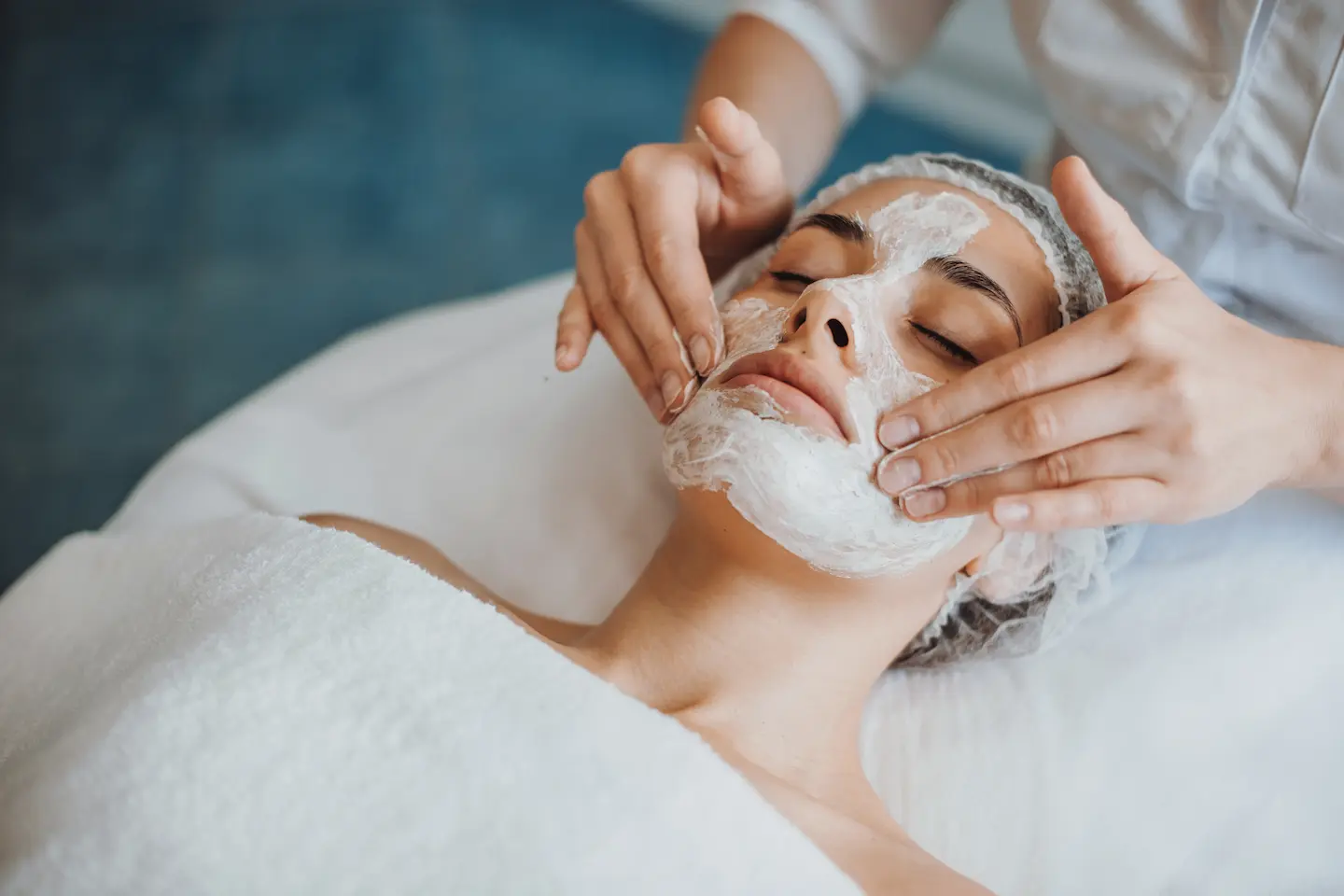
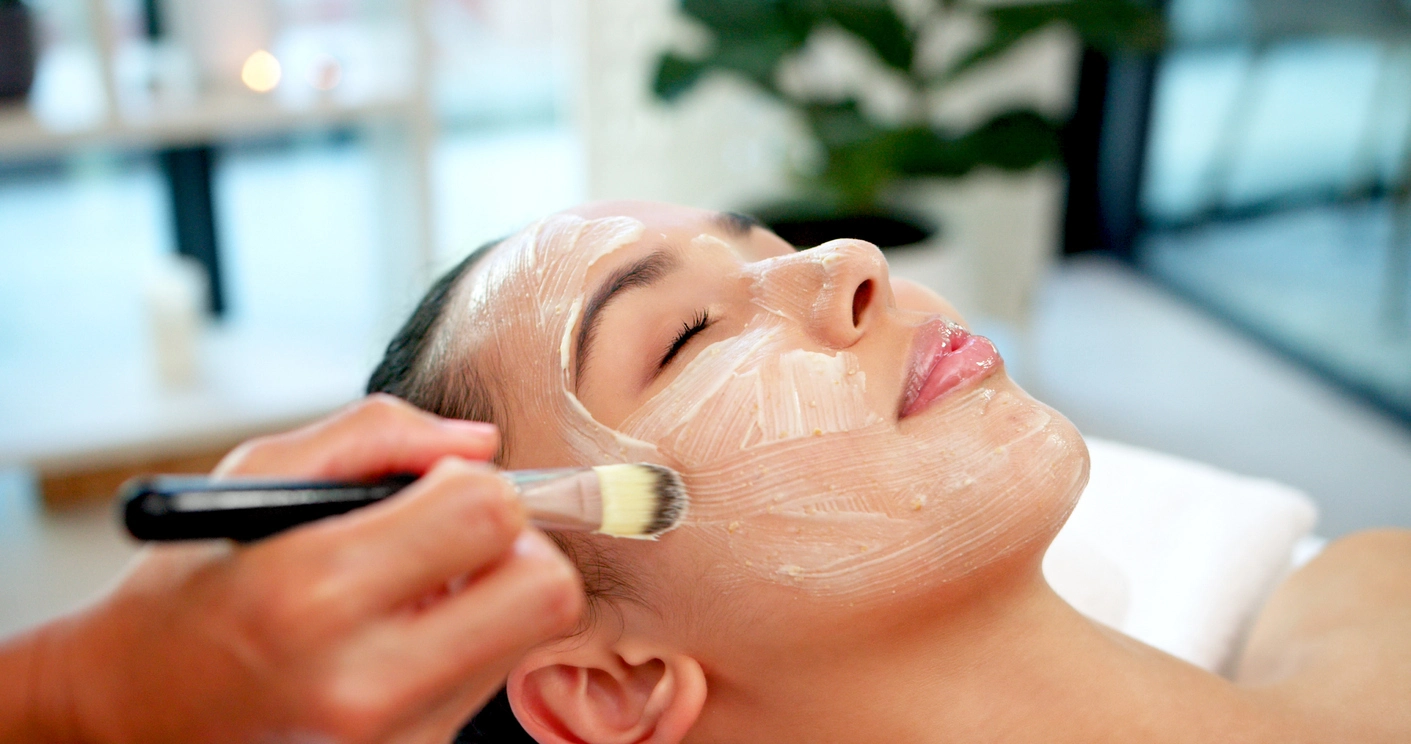
- Application — the PCA solution is applied in layers appropriate to the chosen formulation; most patients feel warmth or mild tingling.
- Post-peel protocol — depending on the specific peel, this may include a activator or neutralizing step per PCA's protocol.
- Aftercare guidance — you'll leave with SPF and specific instructions, since consistent sun protection matters most for how well your results hold.
How Often Should I Get a PCA Peel?
The right frequency depends on your skin's condition, the specific peel used, and your goals. Generally, a series of 3–6 peels spaced 3–4 weeks apart is recommended for optimal results — consistent with PCA's progressive philosophy of gradual improvement over single dramatic sessions. Your Evolve Med Spa provider will build a personalized schedule for your skin.
Frequently Asked Questions
What is a PCA peel?
A PCA Peel is a professional chemical peel system formulated by PCA Skin, offered in several formulations so your provider can tailor the acids and depth to your specific skin type and concerns, rather than using one fixed formula for everyone.
How is a PCA peel different from a regular chemical peel?
A PCA Peel is a specific, branded chemical peel system — all PCA Peels are chemical peels, but not all chemical peels are PCA. What distinguishes PCA is its range of tailored formulations and its progressive philosophy of gentler, more frequent treatments. See our general chemical peel guide for how peels work more broadly.
Is a PCA peel painful?
Most patients feel warmth, tingling, or mild stinging during application rather than pain, and any sensation is brief.
How much downtime do I need after a PCA peel?
Downtime varies by which PCA formulation is used — the gentler Sensi Peel involves minimal visible peeling, while more targeted options like Ultra Peel Forte involve several days of noticeable peeling. Your provider will set expectations for the specific peel you receive.
How many PCA peels will I need to see results?
Most patients see some immediate brightness after one session, but a series of 3–6 peels spaced 3–4 weeks apart is typically recommended for meaningful, lasting improvement in acne, pigmentation, or texture.
Experience the PCA Peel Difference at Evolve Med Spa
Ready to transform your skin with a customized PCA Peel? Our providers will assess your skin and recommend the right formulation to help you achieve a clearer, smoother, more radiant complexion. Book your PCA Peel consultation to get started and embark on your journey to beautiful skin!