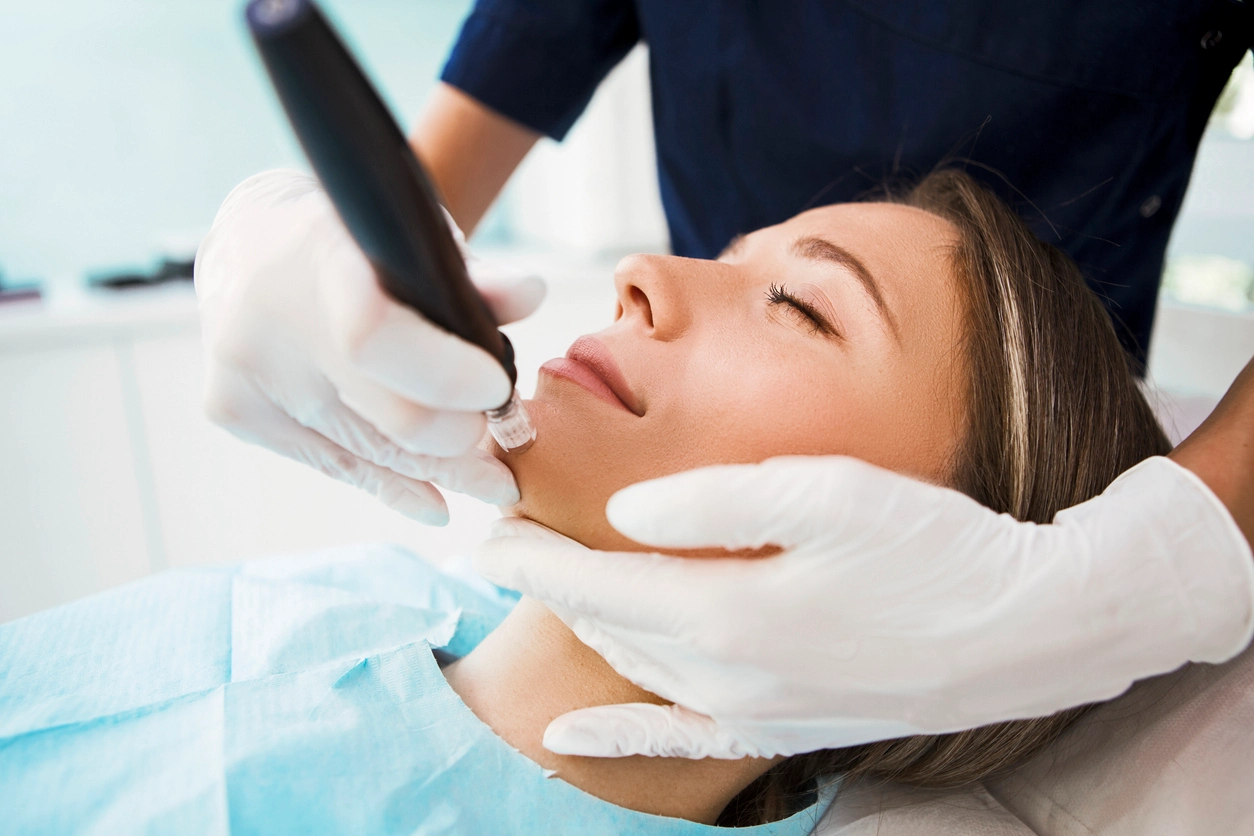
Botox is one of the most popular cosmetic treatments in the world, and for good reason. For forehead wrinkles, our Botox treatments at Evolve Med Spa deliver smoother, younger-looking skin without surgery, downtime, or a dramatic change in appearance. But getting the best results means understanding how it works, what side effects to expect, and how to care for your skin after treatment.
This guide covers everything you need to know about Botox for the forehead: what causes those lines in the first place, how Botox addresses them, the full picture of side effects (including the bumps you might notice right after your appointment), aftercare tips, and what to do if Botox isn't the right fit for you.
What Causes Forehead Wrinkles?
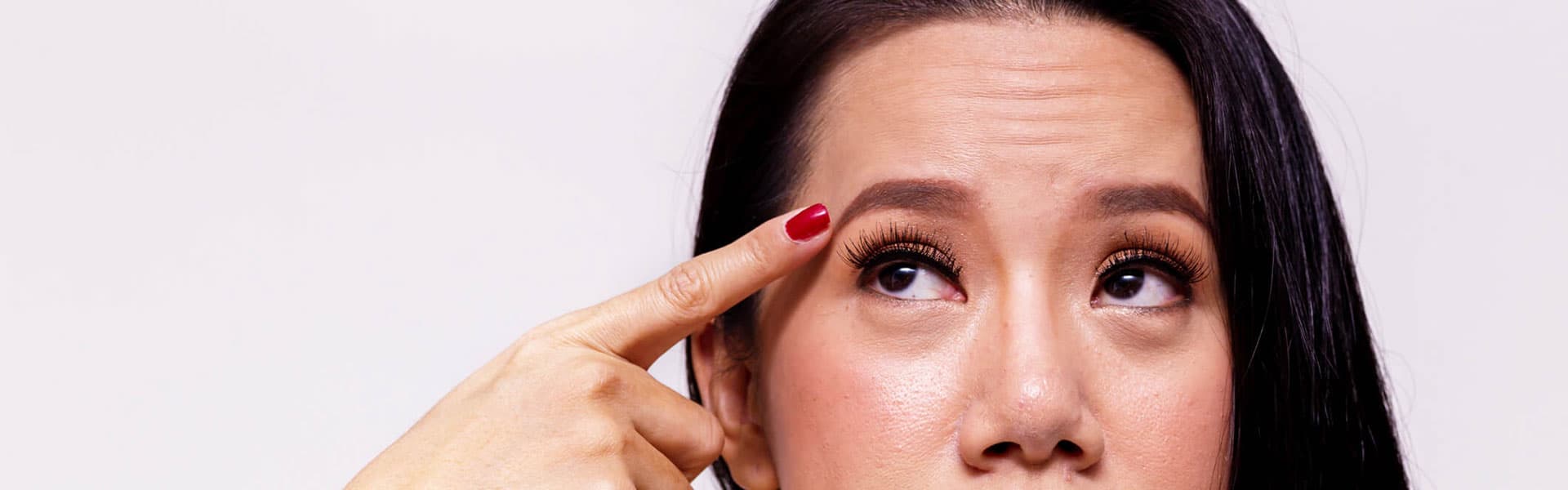
Forehead wrinkles are among the earliest visible signs of aging, and they develop through a combination of muscle movement, time, and lifestyle factors.
The primary driver is the frontalis muscle, the broad, flat muscle that runs across your forehead and raises your eyebrows. Every time you look surprised, raise an eyebrow, or squint against bright light, this muscle contracts and creases the skin above it. Do that thousands of times over decades, and those creases become permanent lines.
Two other muscles play a role in the between-brow area: the procerus and corrugator muscles, which create the vertical "eleven lines" between the eyebrows when you frown or concentrate. The orbicularis oculi — the muscle surrounding the eye- also contributes to crow's feet and radial lines extending toward the forehead.
Beyond muscle activity, several factors accelerate forehead aging:
- Sun damage - UV exposure breaks down collagen and elastin, deepening wrinkles faster
- Age-related skin laxity - skin loses elasticity over time, so lines show at rest
- Dehydration - chronically dry skin emphasizes fine lines
- Smoking - reduces blood flow and degrades collagen
- Repeated expressions - squinting, frowning, and concentration etch lines progressively deeper
How Does Botox Work for Forehead Lines?
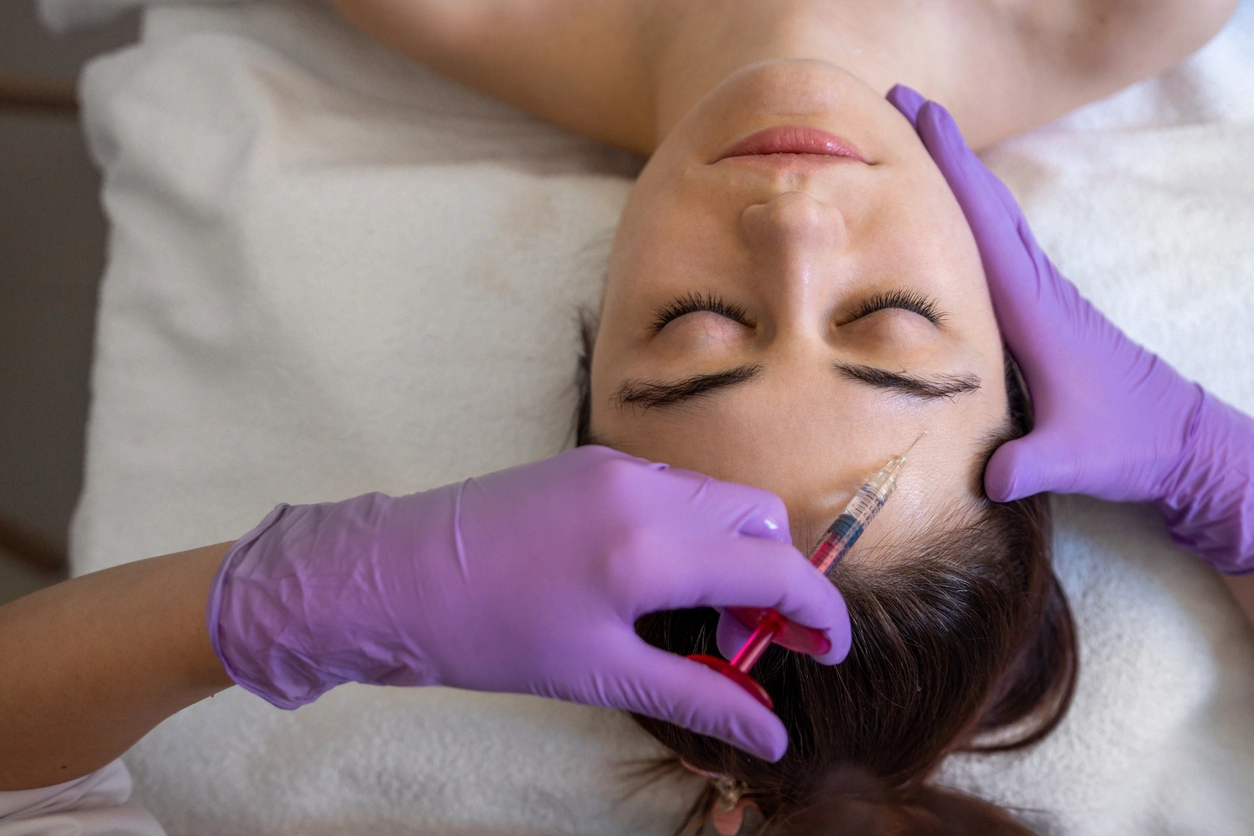
Botox (botulinum toxin type A) works by temporarily blocking the nerve signals that tell your forehead muscles to contract. When injected precisely into the frontalis muscle, it relaxes those fibers so they can no longer create the creasing motion that deepens wrinkles. The result is noticeably smoother skin, not frozen or expressionless, but softer and more rested-looking.
Treatment Timeline
- Days 1–3: Injection sites may feel slightly firm. Small bumps are common and normal (see below).
- Days 3–7: Results begin to appear as the toxin takes effect.
- Days 10–14: Full effect is visible. Any touch-up appointment should happen at this point.
- 3–4 months: Botox gradually wears off and treatment can be repeated. Consistent treatment over time trains muscles to contract less forcefully, often extending the interval between sessions.
Tip: Clients who treat consistently over several years often need less Botox per session, as muscles adapt and natural wrinkle depth decreases over time.
Who Is a Good Candidate for Forehead Botox?
Botox works best for dynamic wrinkles, lines that appear with facial movement but aren't yet deeply etched at rest. The ideal candidates include:
- Adults in their mid-20s to early 30s starting Botox preventatively, before lines become static
- Anyone who is highly expressive and developing noticeable lines earlier than expected
- People with moderate existing forehead lines who want to soften them without surgery
- Those who have tried skincare products and want more reliable, consistent results
Preventative Botox is one of the most effective anti-aging strategies available. Starting early, when you first notice lines forming during expression, slows the pace at which those lines become permanent. The longer you wait, the more deeply etched static wrinkles become, and the harder it is to achieve the smooth result you're looking for.
Botox is generally not recommended for people who are pregnant, breastfeeding, or who have certain neuromuscular disorders. See the full list below.
What Are the Side Effects of Botox on the Forehead?
The vast majority of Botox side effects are mild, temporary, and manageable, especially when treatment is performed by an experienced provider. Here's what to expect.
Bumps at the Injection Site (Very Common & Temporary)
Small raised bumps right after your Botox appointment are completely normal. They're caused by the injected fluid temporarily displacing the skin at the injection point and typically resolve within 20–30 minutes. Mild redness or slight bruising may follow; this is also expected and normal.
Bumps form for one of three temporary reasons:
- The physical space occupied by the injected fluid before it disperses
- A mild local reaction to the toxin
- Micro-swelling at the injection point
If a bump is significantly larger than a bug bite, becomes red and warm to the touch, or doesn't resolve within a few hours, contact your provider. While rare, this could indicate an allergic reaction or localized inflammation.
Note: Do NOT massage or rub bumps after Botox. Rubbing can cause the toxin to migrate to unintended muscles, leading to drooping or uneven results. Leave the area untouched for at least four hours.
Common Side Effects
- Bruising - especially if you take blood thinners or anti-inflammatories
- Swelling - mild, usually resolves within 24–48 hours
- Redness - at injection sites, typically fades within a few hours
- Headache - most common in the first 24 hours
- Mild tenderness - the area may feel sensitive for a day or two
Less Common but Important Side Effects
Heavy brow or eyelid drooping (ptosis) - Can occur when too much Botox is placed too low in the forehead, relaxing the muscles that hold the brow in position. Experienced injectors evaluate your facial anatomy and use conservative dosing to avoid this. It is temporary and resolves as the toxin wears off.
Spread of toxin effect - Botulinum toxin can occasionally diffuse slightly beyond the injection site. In the forehead, this most commonly affects the brow or upper eyelid area. In very rare cases, effects may include difficulty swallowing or breathing - seek immediate medical attention if this occurs.
Allergic reaction - True allergic reactions to Botox are rare. Symptoms can include rash, itching, dizziness, or swelling around the mouth or throat. Inform your provider immediately if you experience any of these.
Who Should NOT Receive Botox
Your provider will review your full medical history before treatment. Do not receive Botox if you:
- Are pregnant or breastfeeding
- Have a neuromuscular disorder such as ALS, myasthenia gravis, or Lambert-Eaton syndrome
- Have an active infection at or near the planned injection site
- Have a known history of allergic reaction to botulinum toxin or its ingredients
- Are scheduled for surgery soon - certain anesthesia medications interact with Botox
Always disclose all medications at your consultation - including prescription drugs, over-the-counter medications, vitamins, and herbal supplements. Certain antibiotics, muscle relaxants, and allergy medications can interact with Botox.
How Can You Minimize Botox Side Effects?
Before Your Appointment
Stop the following at least one week before treatment to reduce bruising and swelling risk:
- NSAIDs - ibuprofen, naproxen, aspirin
- Vitamin E supplements
- Fish oil, flaxseed oil, garlic supplements
- Ginkgo biloba and ginseng
- St. John's Wort
- Alcohol - avoid for 24 hours before your appointment
Choosing the Right Provider
The most effective way to reduce risk is selecting an experienced, licensed injector in a proper medical setting. Your provider should:
- Have specific training and experience in facial anatomy and neurotoxin injections
- Use authentic, properly dosed Botox from a licensed pharmaceutical source
- Conduct a thorough consultation and review your medical history before treating
- Use conservative starting doses and schedule a two-week follow-up to assess results
Note: Avoid 'Botox parties' or injections outside of a clinical medical setting. Without proper supervision and emergency access, complications cannot be safely managed.
What Should You Do After Getting Forehead Botox?
Following proper aftercare in the first 24 hours significantly reduces the chance of complications and helps your Botox settle evenly.
What NOT to Do After Forehead Botox
- Don't lie flat for at least four hours after your injections
- Don't rub, massage, or press on the treated area
- Avoid intense exercise, hot yoga, or anything that significantly raises your heart rate for 24 hours
- Don't apply makeup or skincare products to the area for at least four hours
- Skip facials, microdermabrasion, or other facial treatments for 24 hours
- Stay out of direct sun and away from extreme heat (saunas, hot tubs) for at least four hours
- Don't sleep on your stomach the first night if treated on the forehead
- Avoid alcohol for 24 hours after treatment - it increases bruising risk
What You Can Do
- Apply a cold compress gently to the area for mild swelling - don't press
- Ask your provider about topical arnica cream to reduce bruising
- Sleep with your head slightly elevated the first night
- Keep your face clean and avoid unnecessary touching
When in doubt, contact your provider - they're the best resource for any concerns specific to your treatment.
How Do You Make Forehead Botox Results Last Longer?
Botox typically lasts 3–4 months, but how long it lasts for you depends as much on what you do after treatment as on the treatment itself. These habits consistently extend results.
Schedule Follow-Ups Before Results Fully Wear Off
Don't wait until the lines come back completely. Returning for a touch-up when the effect is at about 70–80% - rather than waiting for full muscle recovery - means you're treating muscles that are already partially conditioned. Over time, consistent treatment weakens the muscles' ability to contract forcefully, gradually extending the interval between sessions.
Protect Your Skin From UV Damage
Sun exposure is the fastest way to undo the results of any anti-aging treatment. UV rays break down collagen and accelerate the formation of static wrinkles that Botox can't address. Apply SPF 30 or higher daily - not just on beach days. This is the single highest-leverage daily habit for extending Botox results.
Stay Hydrated
Well-hydrated skin holds its smooth appearance better and shows less contrast between treated and untreated areas. Drink water consistently throughout the day, and use a hyaluronic acid moisturizer to support surface hydration.
Gentle Facial Movement in the First Few Hours
Lightly using the treated muscles, raising your brows, frowning gently - in the hours immediately after treatment can help the toxin distribute evenly into the target muscles. This is not the same as massaging the area (which you should not do); it's normal expression.
Avoid Combining Fillers Too Soon
If you're planning to get dermal fillers in the same treatment area, wait at least two weeks after Botox. The muscles need time to fully relax before adding volume; combining too soon can disrupt placement of both treatments.
Note: Clients who treat consistently for two or more years often report that their Botox lasts noticeably longer per session. The muscles gradually reduce in bulk as they're repeatedly relaxed, requiring less toxin to achieve the same result.
What Are the Best Alternatives to Botox for Forehead Wrinkles?
Botox isn't the right choice for everyone. Some people prefer non-injectable options, others may have medical reasons to avoid it, and some want to combine Botox with other treatments for enhanced results.
Dermal Fillers
While Botox relaxes muscles, dermal fillers at Evolve Med Spa add volume beneath the skin to fill in lines. Fillers like Juvederm and Restylane work best for deeper, static wrinkles, lines visible even when your face is at rest. For some patients, combining the two delivers better results than either treatment alone.
Microneedling (with PRP or PRF)
Microneedling uses fine needles to create micro-injuries that trigger collagen production. It's an effective option for forehead lines and overall skin texture, with minimal downtime. Our microneedling with PRP treatments amplify collagen stimulation for smoother, firmer skin over time. Results are more gradual than Botox but address underlying skin quality, not just muscle movement.
Morpheus8
Morpheus8 combines microneedling with radiofrequency (RF) energy to tighten skin and stimulate collagen at a deeper level. It's especially effective for clients with skin laxity alongside wrinkles. Results develop over several months and tend to be long-lasting. Our Morpheus8 RF treatments are frequently combined with Botox for comprehensive facial rejuvenation.
Chemical Peels
Chemical peels address fine lines, sun damage, and uneven texture by removing outer skin layers and prompting renewal. They work best on surface-level wrinkles and are often used alongside Botox. Downtime ranges from 24 hours (light peels) to two weeks (deeper peels). Learn more about our chemical peel treatments.
Medical-Grade Skincare
Retinoids, vitamin C serums, and daily SPF are the foundation of long-term wrinkle prevention. Retinoids stimulate collagen production and accelerate cell turnover. Daily SPF protects against UV-driven aging, arguably the most impactful long-term strategy available. Topical products maintain and extend results between clinical treatments.
Who Should Consider Alternatives to Botox
- People who are pregnant or breastfeeding
- Those with neuromuscular disorders (ALS, myasthenia gravis, Lambert-Eaton syndrome)
- Individuals with a known allergy to botulinum toxin or its ingredients
- Anyone who prefers a non-injectable approach
Frequently Asked Questions About Forehead Botox
Are bumps after Botox normal?
Yes, small raised bumps at Botox injection sites are completely normal and temporary. They're caused by the injected fluid temporarily displacing the skin and typically disappear within 20–30 minutes. No treatment is needed unless they persist beyond a few hours.
How long do Botox bumps last?
Most bumps resolve within 20 to 30 minutes. In rare cases, mild swelling can persist a few hours. If bumps are still present after 24 hours, or if they become red, warm, or painful, contact your provider.
Should I massage Botox bumps?
No. Do not massage the injection site after Botox. Rubbing can cause the toxin to migrate to unintended muscles, potentially causing drooping or uneven results. Leave the area untouched for at least four hours.
How long does forehead Botox last?
Most patients see results lasting three to four months. In areas with high muscle activity or in clients with faster metabolism, results may wear off slightly sooner. Consistent treatment over time can extend the interval between sessions.
How many units of Botox does the forehead need?
The forehead typically requires 10–20 units, depending on your frontalis muscle size, line depth, and desired outcome. Your provider will recommend a starting dose and adjust at a two-week follow-up if needed.
Can I exercise after Botox?
Avoid intense exercise for 24 hours after your appointment. Elevated heart rate can cause the toxin to disperse unevenly. Light activity and walking are generally fine.
What happens if I get too much Botox in the forehead?
Over-treatment can paralyze the frontalis muscle too aggressively, resulting in a heavy brow or limited eyebrow movement. This is temporary and resolves as the toxin wears off. An experienced injector uses conservative dosing and a two-week follow-up to avoid this.
Is Botox safe while pregnant or breastfeeding?
Most providers advise against Botox during pregnancy and breastfeeding. While large-scale safety data in pregnant patients is limited, the precautionary standard is to avoid injectable neurotoxins during this period.
What are the best alternatives to Botox for forehead wrinkles?
The most effective alternatives include microneedling with PRP or PRF, Morpheus8 RF for skin tightening, chemical peels for surface texture, and a consistent routine with retinoids and SPF. Dermal fillers can address deeper static lines that Botox alone doesn't fully resolve. See the Alternatives section above for a full breakdown of each option.
Can I get dermal fillers after Botox?
Yes, but wait at least two weeks before getting fillers in the same area. Botox relaxes the muscles first; filler is then placed more accurately once the muscles have settled. Combining both in the same appointment is possible but your provider should sequence them carefully: Botox first, filler after assessing the result.
What should I avoid after Botox to prevent complications?
For the first 24 hours: don't touch or rub the treated area, skip makeup and skincare products on the injection sites, avoid lying down, skip strenuous exercise, stay out of heat (saunas, hot tubs), and avoid alcohol. These restrictions exist to prevent the toxin from migrating before it binds fully to the target muscle. After 24 hours, normal activity can resume.
Ready for Smoother Skin? Schedule Your Consultation at Evolve Med Spa
Whether you're exploring Botox for the first time or looking to optimize your results, the team at Evolve Med Spa will evaluate your facial anatomy, explain exactly what to expect, and build a treatment plan tailored to your goals. View our full Botox treatment menu and book your complimentary consultation today.
We serve clients across New Jersey, New York, Maryland, and Pennsylvania. Book your complimentary consultation online today.