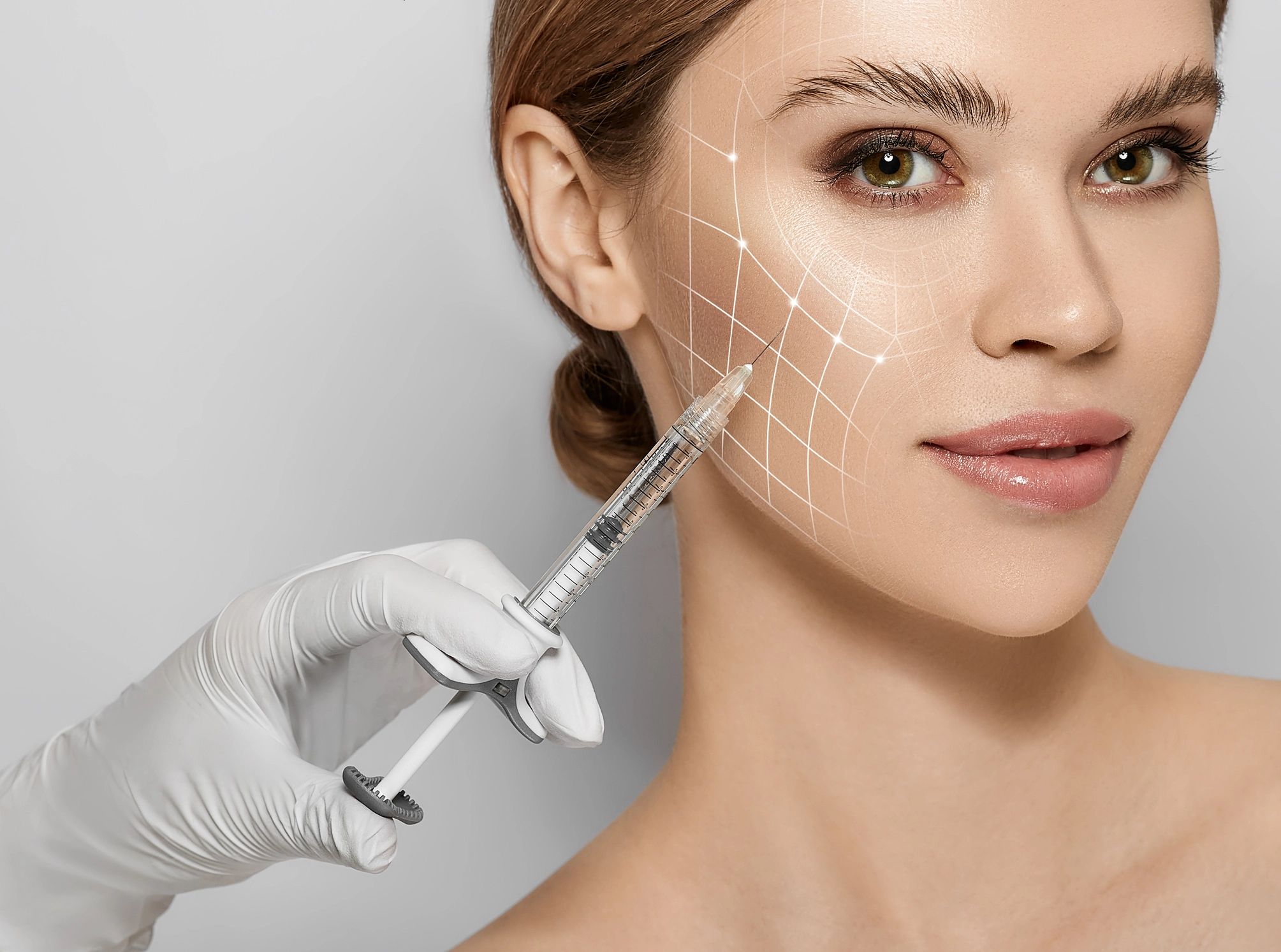
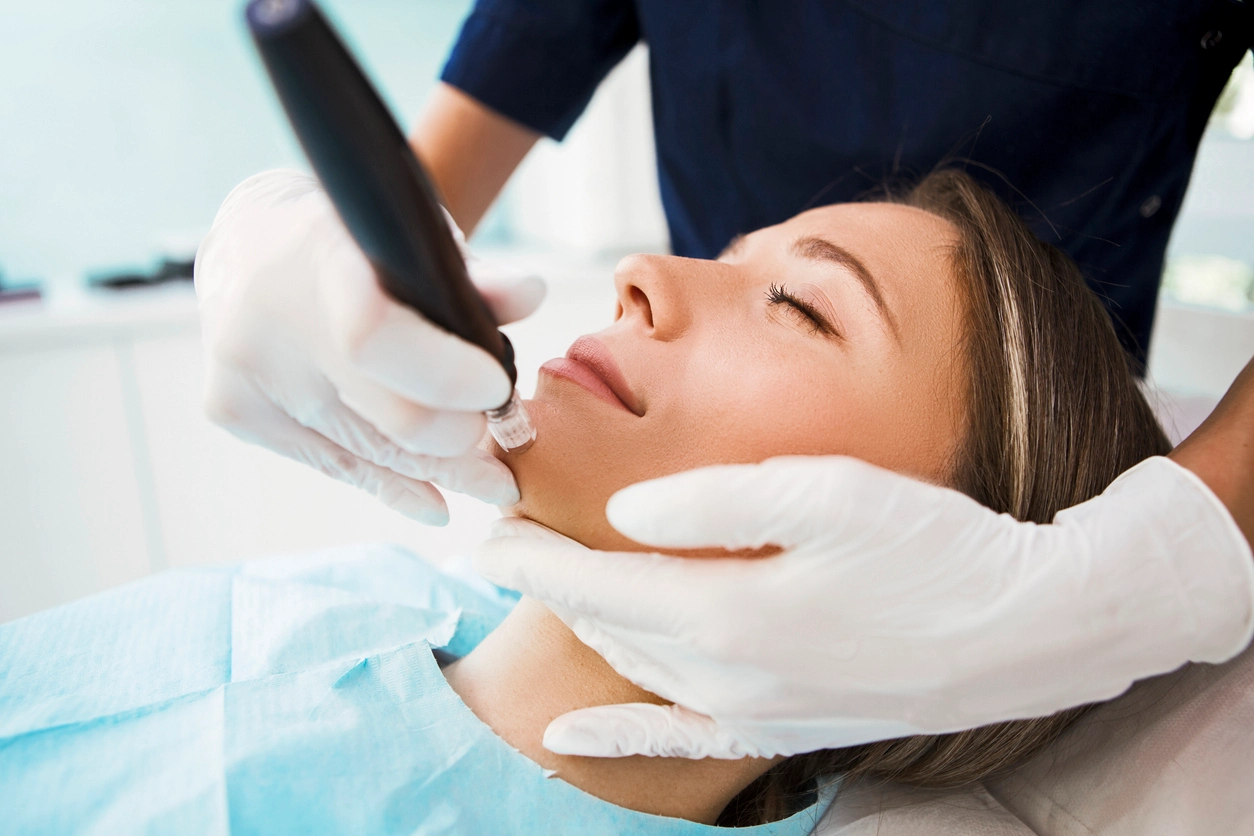
The conversation in aesthetics is shifting. For years, the dominant model was additive: patients came in looking deflated, and providers added volume with hyaluronic acid fillers to restore what time had taken away. It worked — and for many patients, it still does. But a growing body of clinical evidence and a new generation of treatment options have introduced a different question: what if instead of adding volume, you could stimulate your own skin to rebuild it?
That is the premise of regenerative aesthetics — and it is reshaping how the most sophisticated providers think about anti-aging treatment.
What Is the Difference Between Regenerative Aesthetics and Volume-Based Fillers?
The distinction is fundamental and comes down to mechanism:
- Volume-based fillers (primarily hyaluronic acid, or HA) work by physically occupying space in the tissue. They add gel-like material to areas that have lost fat or structural support, creating immediate plumping. Results are visible right away and can be dissolved if needed.
- Regenerative aesthetics work by stimulating the body's own biology. Rather than adding foreign material to fill a deficit, regenerative treatments trigger cellular activity — collagen production, elastin synthesis, tissue remodeling — that creates structural improvement from within. Results develop over weeks to months and are built from your own tissue.
Neither approach is categorically better. They work differently, serve different purposes, and are often most powerful in combination. For an existing deep dive on this topic, see our post: Biostimulators vs. Standard HA Fillers: What Is the Difference?
What Are the Main Regenerative Aesthetics Options Available Today?
The regenerative aesthetics category includes several distinct treatment types:
Sculptra (Poly-L-Lactic Acid / PLLA)
Sculptra is an FDA-approved injectable biostimulator that triggers fibroblast activity and collagen production over time. It is ideal for patients with significant facial volume loss who want gradual, structural improvement rather than immediate volume. Results typically last two or more years. See: Sculptra: Restoring Structure and Facial Volume From the Inside Out
Radiesse (Calcium Hydroxyapatite / CaHA)
Radiesse provides both immediate volumetric effect and long-term collagen stimulation. Used in its standard concentration, it adds structure to areas like the jawline, cheeks, and hands. In its hyperdilute form, it acts as a pure biostimulator for skin rejuvenation — now FDA approved for the décolleté as well as the face and hands.
PRF (Platelet-Rich Fibrin)
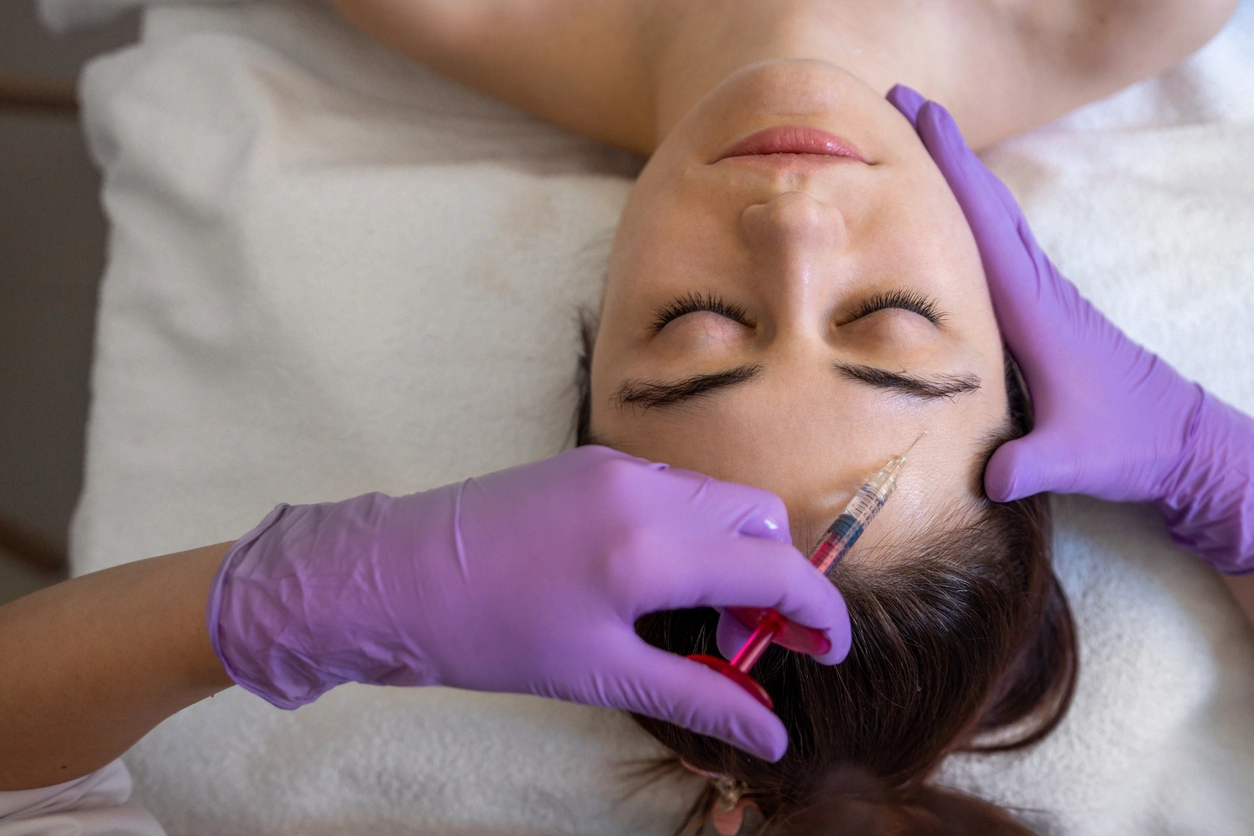
PRF is derived from the patient's own blood, making it one of the most naturally regenerative treatments available. The platelet-rich fibrin matrix releases growth factors that stimulate collagen production, improve skin quality, and support tissue healing. It can be used as a facial injection, combined with microneedling, or applied as an EZ Gel for volumization without synthetic product. See our guide: PRF EZ Gel vs. Liquid PRF: How to Choose the Right Regenerative Treatment
Exosomes and Growth Factors
An emerging category in regenerative aesthetics, exosome-based treatments use cell-signaling molecules derived from stem cells to accelerate tissue repair and collagen synthesis. While still gaining regulatory traction, exosome therapy is increasingly available at leading med spas as a standalone treatment or in combination with microneedling and RF devices.
What Are HA Fillers Best For?
Hyaluronic acid fillers remain the most versatile and widely used injectable in aesthetics — and for good reason. They are best suited for:
- Immediate volumization (lips, cheeks, under eyes, jawline)
- Treating specific hollows or structural deficits that need correction now
- Patients who want reversibility — HA fillers can be dissolved with hyaluronidase
- Younger patients who have localized volume concerns rather than diffuse collagen loss
- Maintaining results between regenerative treatment cycles
For a breakdown of how long HA fillers last in different areas, see our Filler Longevity Guide.
Who Should Choose Regenerative Aesthetics?
According to research published through the National Institutes of Health, biostimulatory injectables produce measurable improvements in dermal collagen density and skin quality — outcomes that volume-based fillers cannot replicate. Regenerative approaches tend to be the better fit for:
- Patients in their 40s or older experiencing diffuse skin laxity and volume loss across multiple facial zones
- Patients who have been overfilled with HA and want to reduce total filler volume while maintaining results
- Those who prefer a gradual, undetectable transformation over an immediate change
- Patients who want results that outlast standard HA filler longevity
- Anyone focused on long-term skin quality improvement — texture, firmness, and radiance — rather than structural volume alone
Can Regenerative and Volume-Based Approaches Be Combined?
Yes — and this is where the most sophisticated treatment planning happens. A well-designed treatment protocol often uses both:
- Biostimulators like Sculptra or Radiesse to rebuild the structural foundation of the face over a series of sessions
- HA fillers for precise, targeted volume in areas like the lips, under eyes, or nasolabial folds where biostimulators alone cannot deliver the needed correction
- PRF to improve overall skin quality, address dark circles, and support healing after energy-based treatments
At Evolve Med Spa, this kind of multi-modal planning is built into the consultation process — providers assess both structural and surface concerns and recommend a sequenced protocol rather than a single-session fix.
Frequently Asked Questions About Regenerative Aesthetics
Are biostimulators safer than HA fillers?
Both categories have strong safety profiles when administered by experienced providers. The key difference is reversibility — HA fillers can be dissolved; biostimulators cannot. This makes provider selection and conservative treatment planning especially important with biostimulatory products.
How long do regenerative aesthetics results last?
Sculptra results typically last two or more years. Radiesse results last 12 to 18 months. PRF results vary by treatment area and protocol but generally last 6 to 12 months, with improvement continuing as the growth factors work over time.
Is PRF the same as PRP?
PRF (Platelet-Rich Fibrin) and PRP (Platelet-Rich Plasma) are related but distinct. PRF uses a slower centrifuge process that preserves more platelets, white blood cells, and growth factors than standard PRP, and its fibrin matrix releases growth factors more slowly for a sustained regenerative effect. For a full comparison, see: Fillers vs. PRF for Under Eyes: Which Rejuvenation Treatment is Right for You?
Does regenerative aesthetics work for skin quality, not just volume?
Yes — and this is one of the most compelling advantages of the category. Collagen stimulation improves skin texture, pore size, firmness, and radiance independent of volumetric changes. Many patients notice a "glow" improvement alongside structural changes that HA fillers cannot deliver.