GLP-1 receptor agonists — including semaglutide (Ozempic, Wegovy) and tirzepatide (Mounjaro, Zepbound) — have produced some of the most dramatic weight loss outcomes in the history of pharmacology. For millions of patients, that is life-changing. But significant, rapid weight loss comes with a cosmetic consequence that many patients discover only after the scale has moved: loose, lax skin that has lost the structural support it once had.
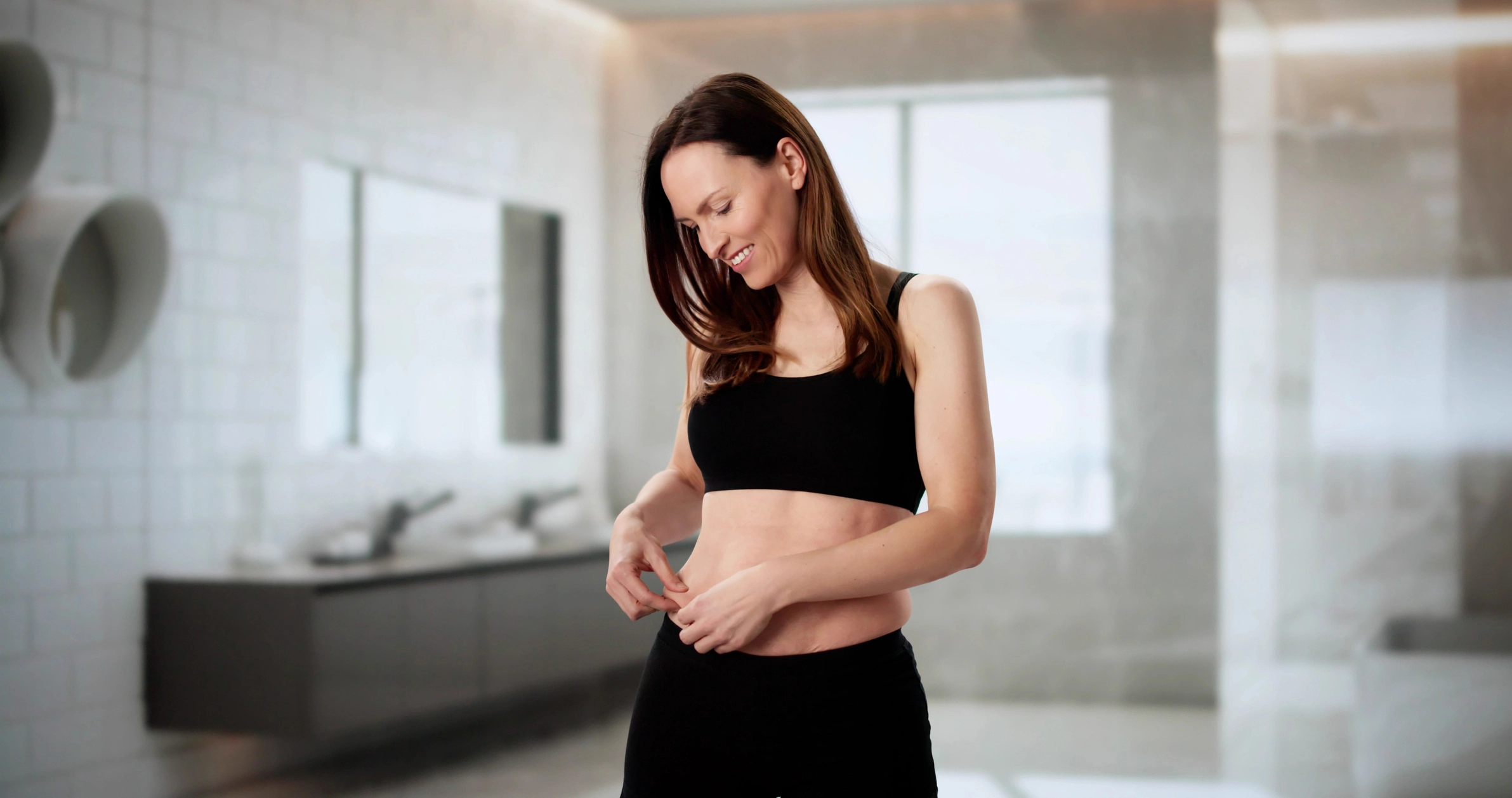
"Ozempic face" — the colloquial term for the facial volume loss and hollowing that often accompanies GLP-1-driven weight loss — has become one of the most common concerns new patients bring to Evolve Med Spa. And it doesn't stop at the face. Patients are also dealing with loose skin on the neck, arms, abdomen, thighs, and buttocks — areas collectively described as "Ozempic body."
The good news: the aesthetic side effects of GLP-1 weight loss are highly treatable. Here is what works.
Why Does GLP-1 Weight Loss Cause Skin Laxity?
GLP-1 medications are remarkably effective. Clinical trials published in the New England Journal of Medicine demonstrated average weight loss of 15 to 20% of body weight with semaglutide — results previously achievable only with bariatric surgery. But rapid, significant weight loss — regardless of how it is achieved — reduces the subcutaneous fat that gives skin its structural support. When fat loss outpaces the skin's ability to contract and remodel, laxity results.
The face is particularly vulnerable because facial fat loss is often disproportionate — patients lose fat in the cheeks, temples, and jawline, creating a gaunt or hollow appearance even when their body weight and overall health have improved significantly. This is Ozempic face.
On the body, the abdomen, inner arms, inner thighs, and buttocks are the most commonly affected areas. Skin that stretches during weight gain — or that has already lost elasticity with age — often cannot fully contract after rapid fat loss.
What Treatments Address Ozempic Face?
Facial concerns after GLP-1 weight loss generally fall into two categories: volume loss and skin quality. The most effective approach typically combines both.
Dermal Fillers and Sculptra for Volume Restoration
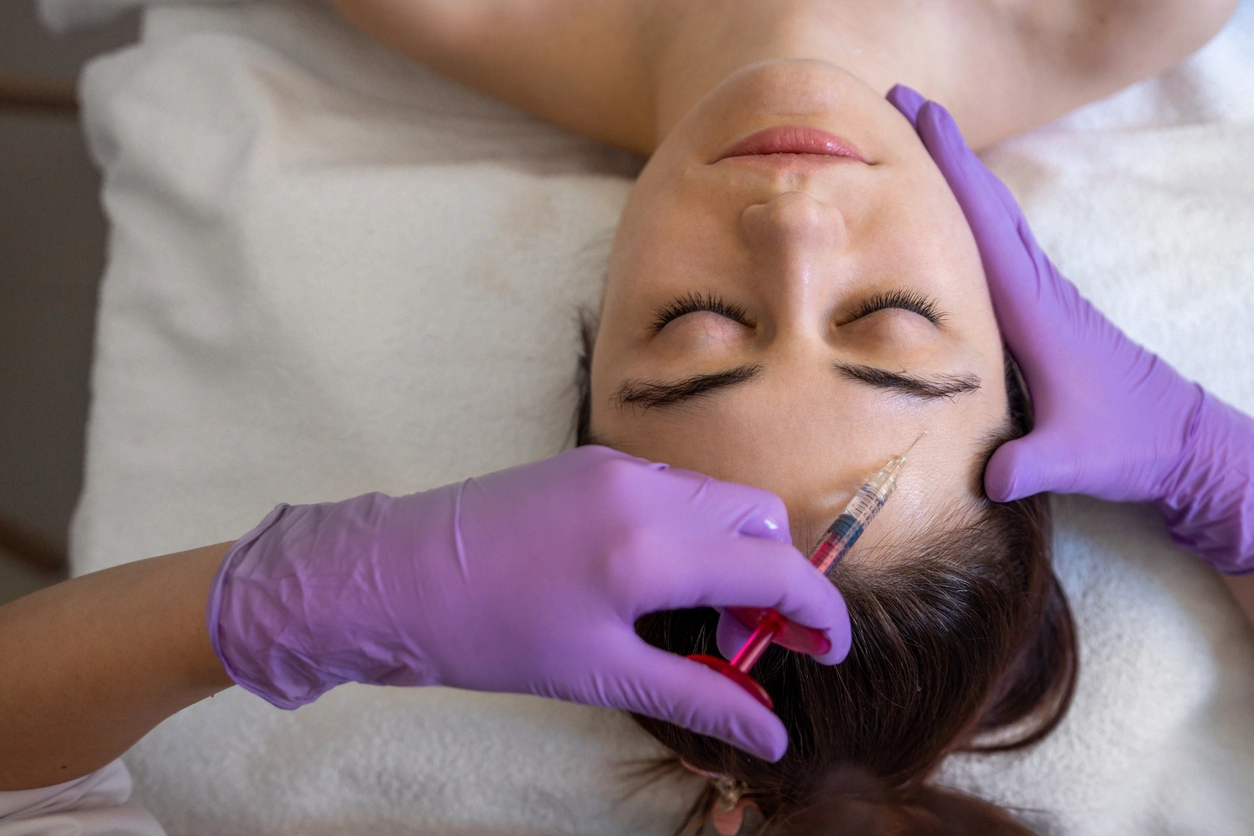
For patients whose primary concern is hollowing in the cheeks, temples, or under-eye area, hyaluronic acid fillers can restore immediate volume. For more diffuse or significant volume loss, Sculptra — a collagen-stimulating biostimulator — builds gradual, long-lasting structural improvement that better mirrors the natural fat that was lost. See our post on "Ozempic Face": Combating Facial Wasting with Dermal Fillers for a full breakdown.
Morpheus8 RF Microneedling for Skin Tightening and Remodeling
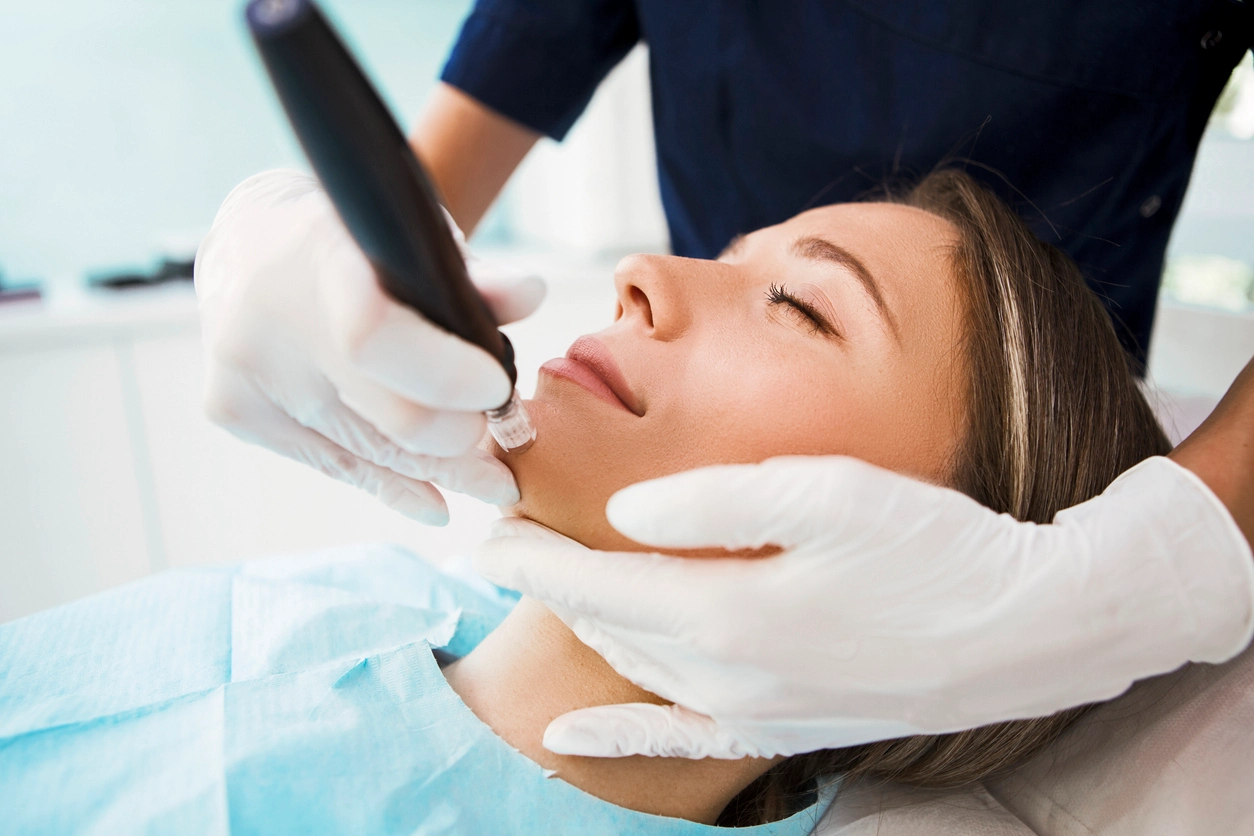
Morpheus8 is the workhorse treatment for GLP-1-related skin laxity. By delivering radiofrequency energy through microneedles into the deep dermis and subdermal tissue, Morpheus8 triggers a robust collagen remodeling response that physically tightens and firms loose skin. It is effective on the face, neck, jawline, and body — making it one of the few treatments that can address both Ozempic face and Ozempic body in the same protocol. Learn more: The Miracle of Morpheus8: Microneedling and Radiofrequency for Younger-Looking Skin
SkinPen Microneedling for Surface Skin Quality
For patients whose concern is more about surface texture, fine lines, and skin quality than structural laxity, standard microneedling with the SkinPen is a highly effective option. Microneedling stimulates collagen production in the upper dermis through controlled micro-injuries, improving skin texture and firmness over a series of sessions. It is particularly effective on the face, neck, and décolleté.
PRF (Platelet-Rich Fibrin) for Facial Volume and Skin Regeneration
For patients who want to minimize synthetic product and prefer a fully biological approach, PRF provides both regenerative skin improvement and subtle volumization using growth factors derived from the patient's own blood. PRF is an excellent complement to fillers and energy-based treatments in a comprehensive GLP-1 recovery protocol. See: Unlock Natural Rejuvenation with PRF Treatment
What Treatments Address Ozempic Body?
Body laxity after GLP-1 weight loss requires a different toolkit from facial concerns. The most common areas patients seek treatment for include:
Morpheus8 Body for Abdomen, Arms, and Thighs
Morpheus8's body applicator delivers RF energy deeper than the facial protocol, making it well-suited for tightening loose skin on the abdomen, inner arms, and inner thighs. A series of three treatments spaced four to six weeks apart is typically recommended for optimal results.
Emsculpt for Muscle Definition and Body Contouring
For patients who have lost muscle mass alongside fat — a common side effect of GLP-1 medications — Emsculpt uses high-intensity electromagnetic energy to stimulate supramaximal muscle contractions, rebuilding the muscular foundation that gives the body its shape. See: Tighten Up After Weight Loss: Achieve a Sculpted Look with Emsculpt
Sculptra for Ozempic Butt
The "Ozempic butt" — loss of volume and projection in the gluteal area — has become a common complaint among GLP-1 patients. Sculptra, used off-label in the buttocks, is one of the most effective ways to restore volume and shape without implants or surgery. For more: What is 'Ozempic Butt' and How Do I Treat It?
What Is the Right Order of Treatments After GLP-1 Weight Loss?
Protocol matters. Most providers recommend:
- Step 1: Stabilize weight. Starting aggressive skin treatments during active weight loss can undermine results as the tissue continues to change.
- Step 2: Address skin quality first. Energy-based treatments like Morpheus8 and microneedling build the collagen foundation that makes subsequent volumization look better and last longer.
- Step 3: Restore volume. Once skin quality and firmness have improved, fillers or Sculptra are added for the facial volume and structural concerns that energy treatments cannot fully address.
- Step 4: Body contouring. Emsculpt and targeted body Morpheus8 can be layered in throughout the protocol based on the patient's priorities.
For patients who are still on GLP-1 medications and concerned about skin quality during the weight loss process, see our post: Beyond the Scale: Non-Surgical Solutions for Ozempic Face
Frequently Asked Questions About Skin Tightening After GLP-1
Will my skin tighten on its own after stopping Ozempic?
Some degree of natural skin contraction occurs after weight loss, particularly in younger patients with good skin elasticity. However, for patients over 35 or those who have lost more than 20 to 30 pounds, the skin's ability to self-contract is limited. Professional treatment produces meaningfully faster and more complete results than waiting.
Can I start skin tightening treatments while still on a GLP-1 medication?
Generally, yes — particularly for facial treatments. However, most providers recommend waiting until your weight has stabilized before undertaking comprehensive body contouring, as ongoing fat loss can affect results. A consultation at Evolve Med Spa will help you determine the right timing for your protocol.
How many Morpheus8 sessions do I need for Ozempic-related laxity?
Most patients require three sessions spaced four to six weeks apart for optimal results. Patients with more significant laxity may benefit from a fourth session. Results continue to improve for three to six months after the final treatment as collagen remodeling continues.
Is the Ozempic face treatment covered by insurance?
No. Aesthetic treatments for GLP-1-related skin changes are considered cosmetic and are not covered by insurance. Evolve Med Spa offers financing options through CareCredit and Alle to make comprehensive treatment plans accessible.
The weight loss is the achievement. The skin tightening is the finishing touch. Book a GLP-1 skin consultation at Evolve Med Spa and let us build a protocol that restores what the medication changed.